About The Nature Hub @LCAW
Invest with Nature: For a Thriving Economy
📅 Thursday 25th June 2026
🕗 8:30am – 5pm
📍 London Zoo, Regent’s Park
Nature investments are no longer part of a niche agenda — they are fast becoming central to how economies manage risk, drive growth, and build resilience. As climate and biodiversity pressures reshape markets and supply chains, a new consensus is emerging: long-term prosperity cannot be built on the depletion of natural systems.
Investing with nature offers a proven, cost-effective pathway to deliver a triple return — climate stability, biodiversity protection, and economic growth. From strengthening supply chains to unlocking new markets and revenue streams, nature-based solutions are increasingly being recognised as a core economic strategy.
The Nature Hub returns to London Climate Action Week to convene leaders from across business, finance, and the public sector to explore how this shift can be accelerated. Through a series of discussions and exchanges, the programme will explore the role of nature in reducing climate risk, strengthening supply chains, fostering economic resilience and powering innovation.
Please note: the event is oversubscribed and registrations have closed.
> Please fill in this form to be notified about future events.
> For media enquiries, please contact mariana.ceccon@nature4climate.org
AGENDA
(9:00 – 09:15 am) What will it really take to accelerate investment that allows nature and economies to thrive?
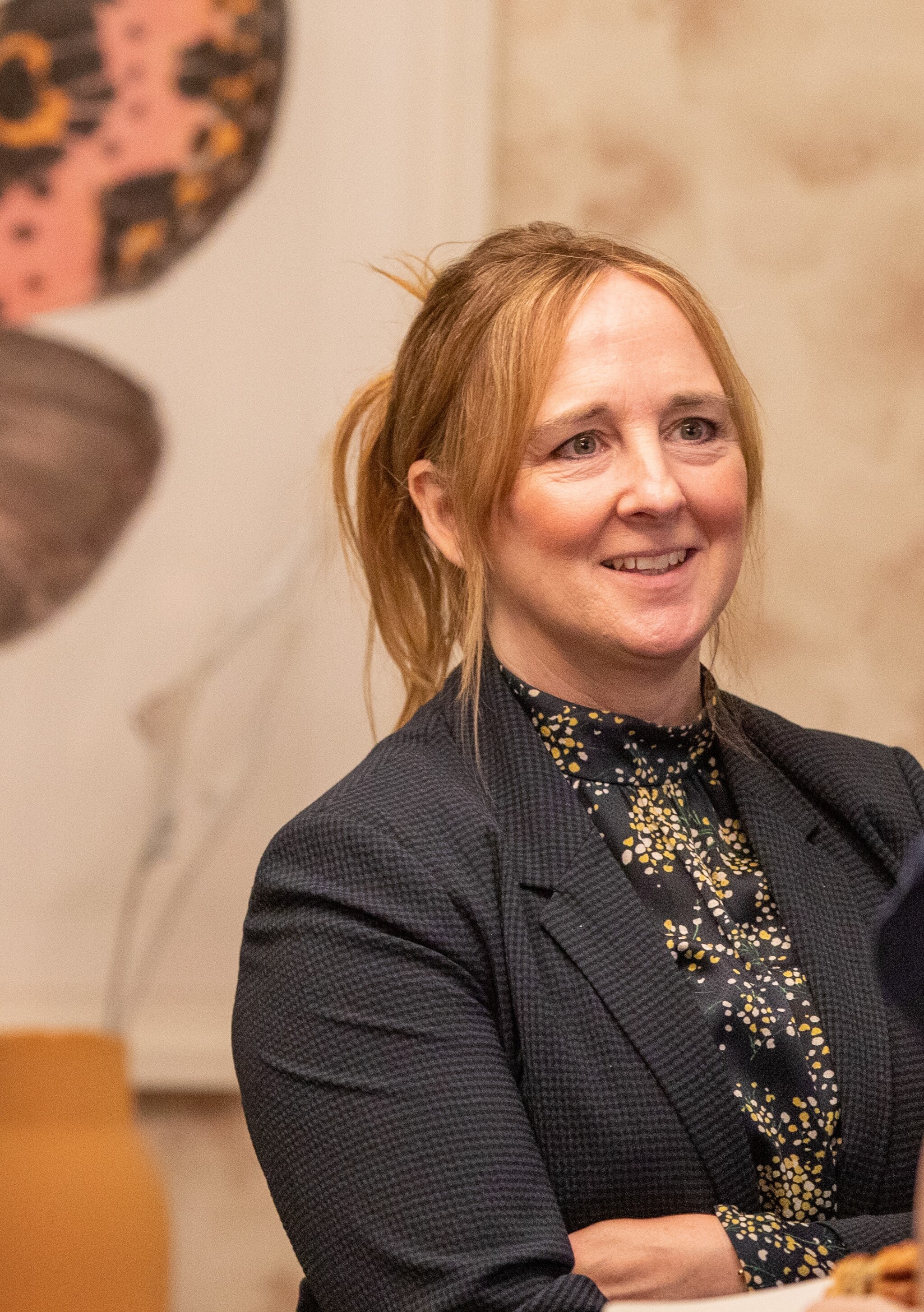
Lucy Almond (Nature4Climate)
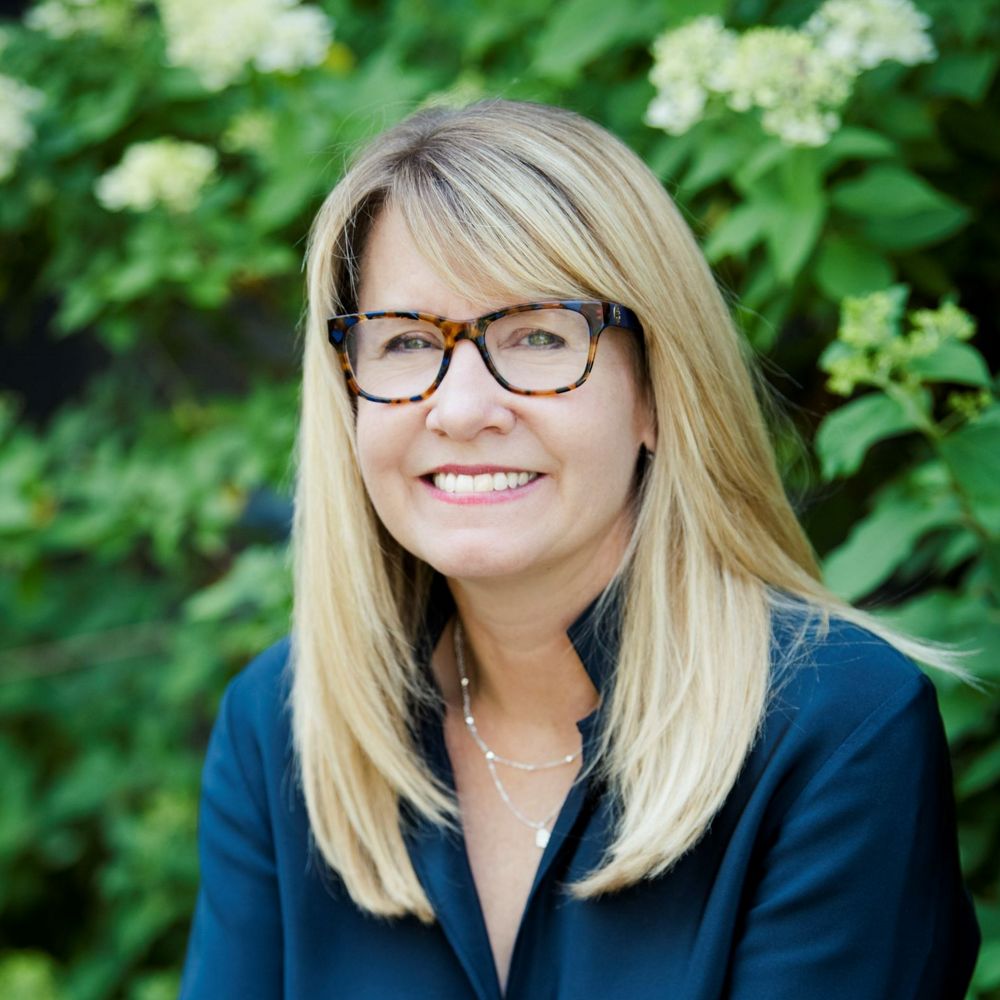
Jennifer Morris (The Nature Conservancy)
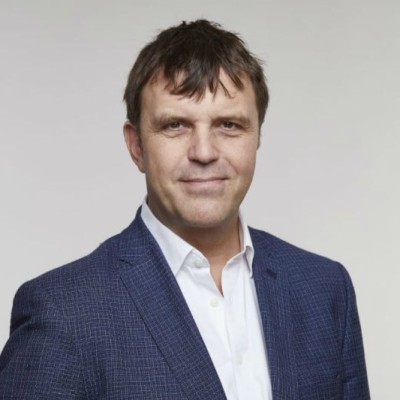
Nigel Topping (AmbitionLoop)
The financing gap for nature-based solutions remains enormous. UNEP’s State of Finance for Nature 2026 reports that for every dollar invested in protecting nature, approximately $30 is spent on activities that degrade it. What is missing is not ambition or frameworks. What is missing is the acceleration of capital at scale. This conversation is an opportunity to be honest about where that acceleration is stalling — and who needs to do what to fix it.
(9:15 – 10:30 am) Private sector investment in nature-based solutions for adaptation and water security
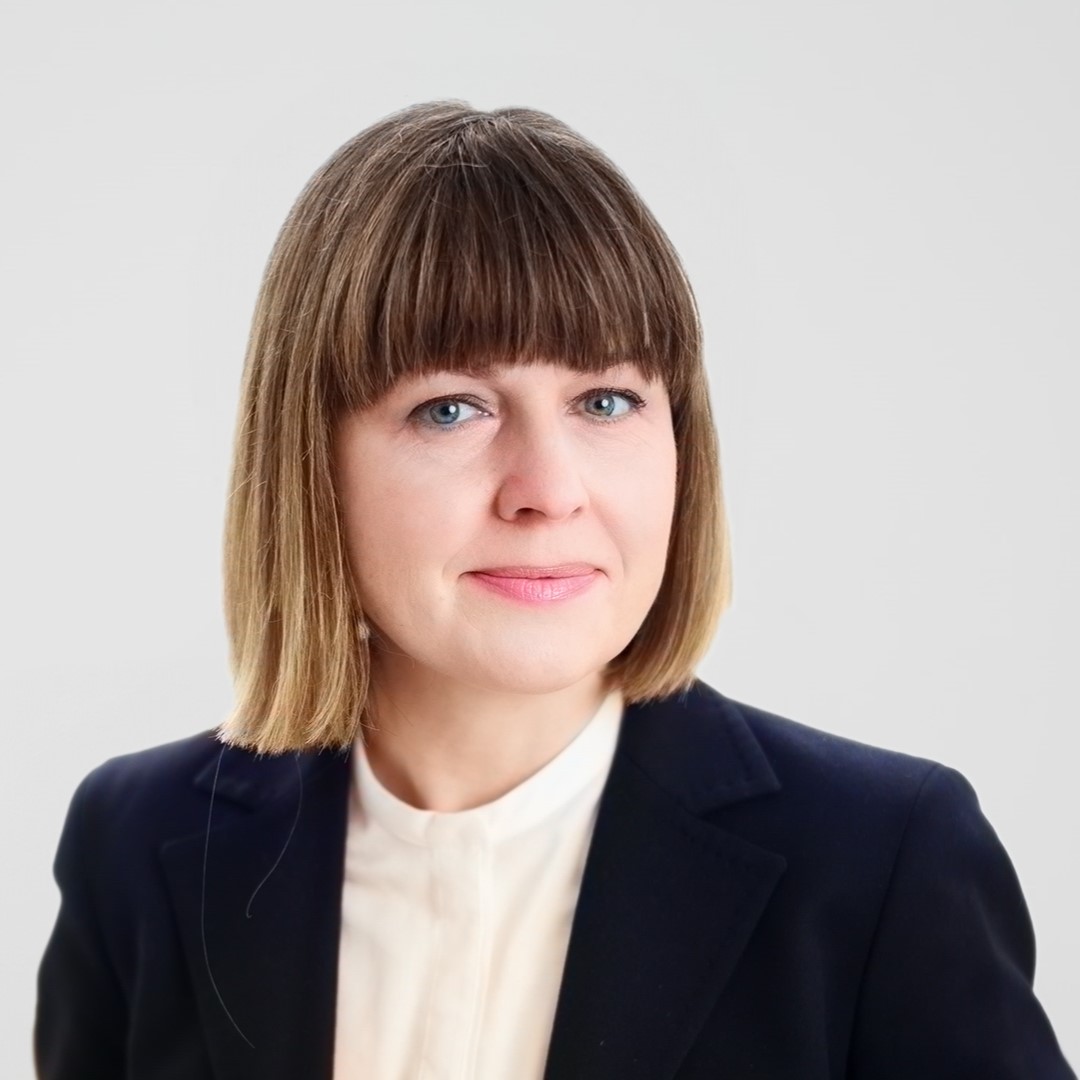
Barbara Sanderson (TNFD)
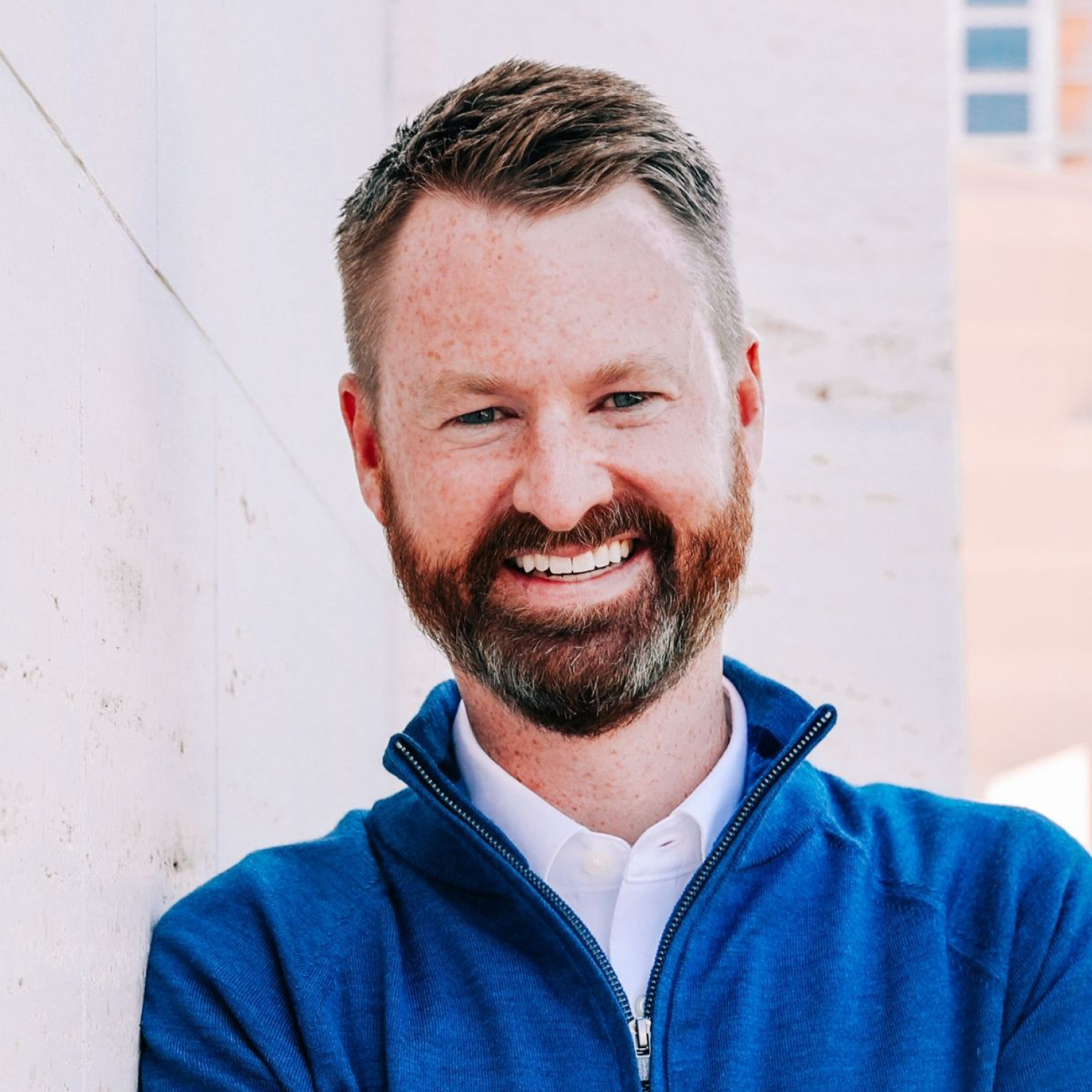
Dan Morrow (Arbor Day Foundation)
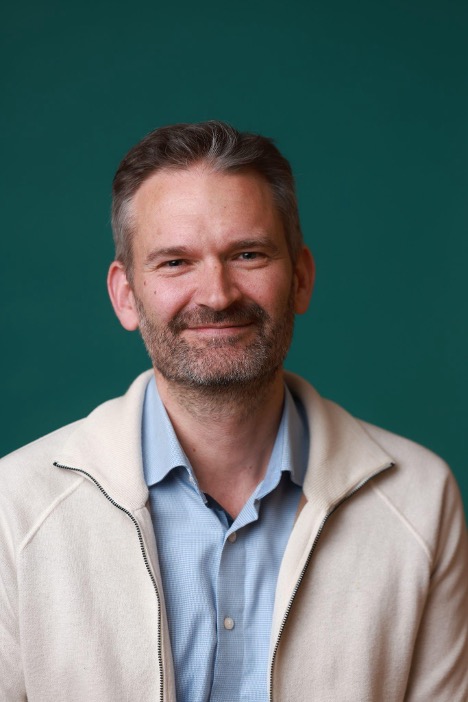
Tim Christophersen (Salesforce)
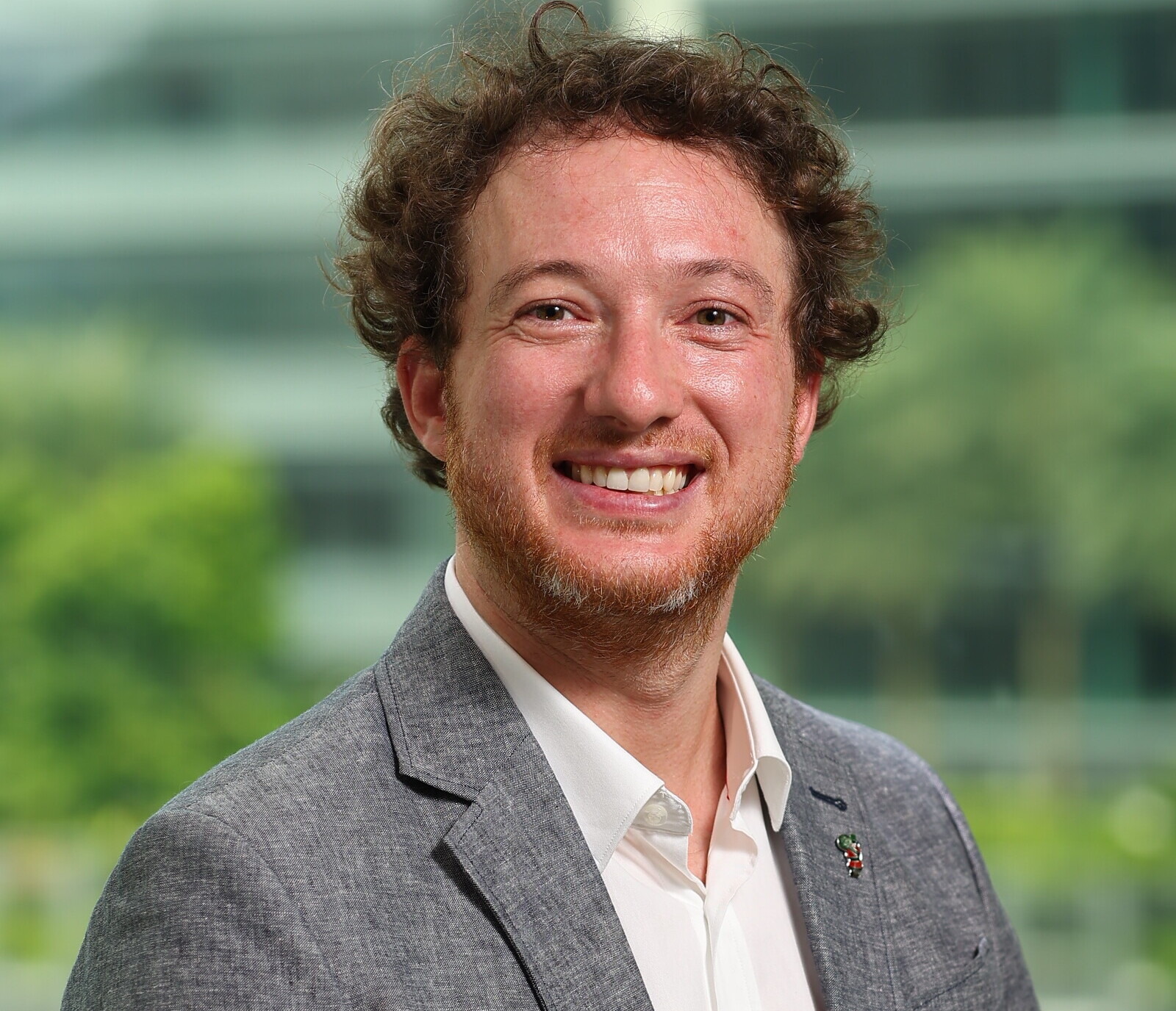
Florent Kaiser (Global Forest Generation)
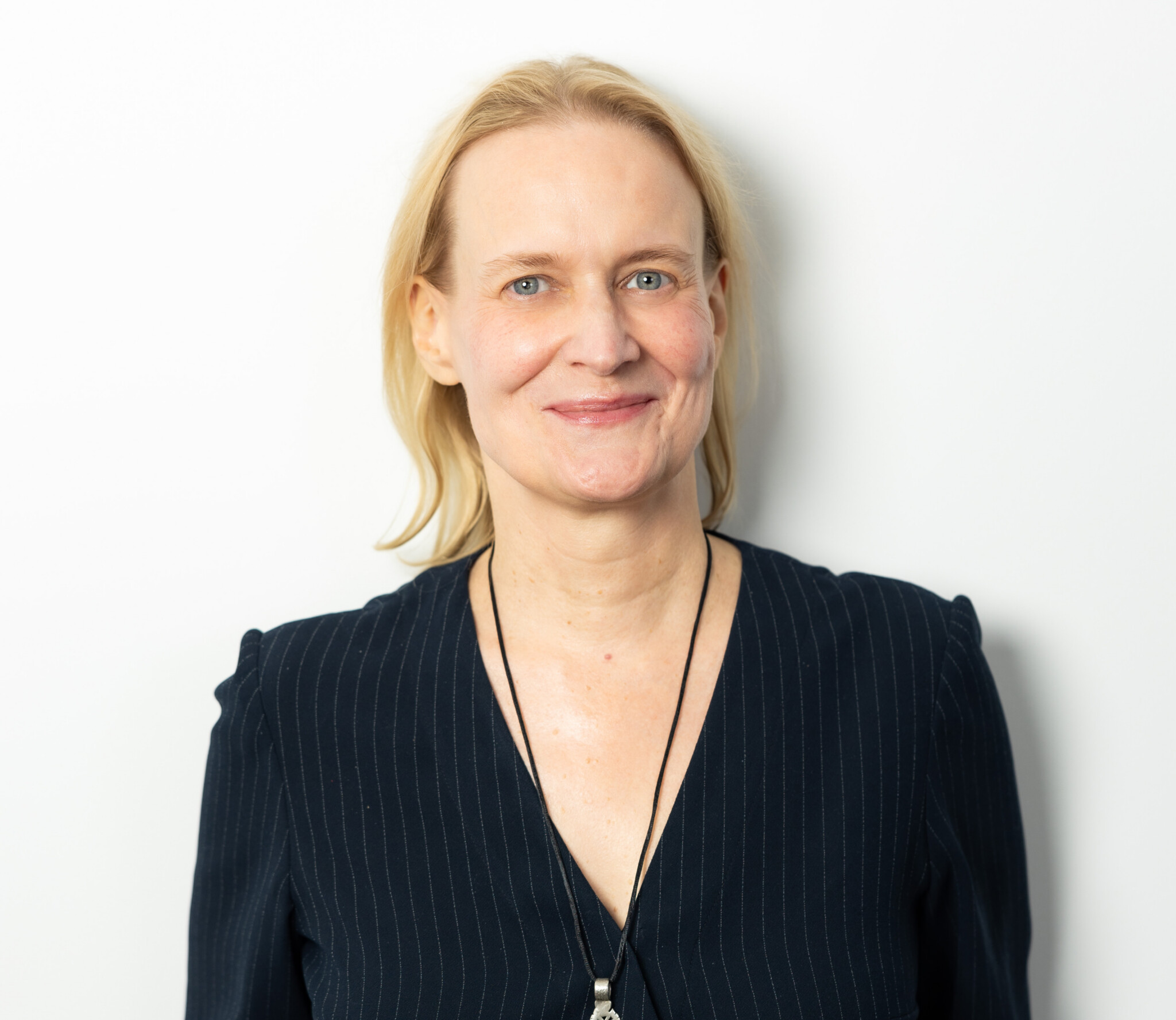
Celia Francis (Ponterra)
Audience: Capital Allocators, Institutional Investors, Insurance Companies, Corporations or Large Businesses, Technical Leads from Consultancies, Government and Think Tank Representatives.
Session Partners: Arbor Day Foundation and Salesforce.
This session examines how private sector actors — from insurers to multinational corporations — are moving beyond compliance to make strategic investments in nature as critical infrastructure for climate adaptation. Through a series of expert interviews and case studies, the session will explore how investments have been made in forests and freshwater ecosystems to secure water supply, reducing exposure to climate-driven risk.
(09:15 – 10:45 am) Closed Door Round Table: The role of businesses in the implementation of the GBF – challenges and opportunities
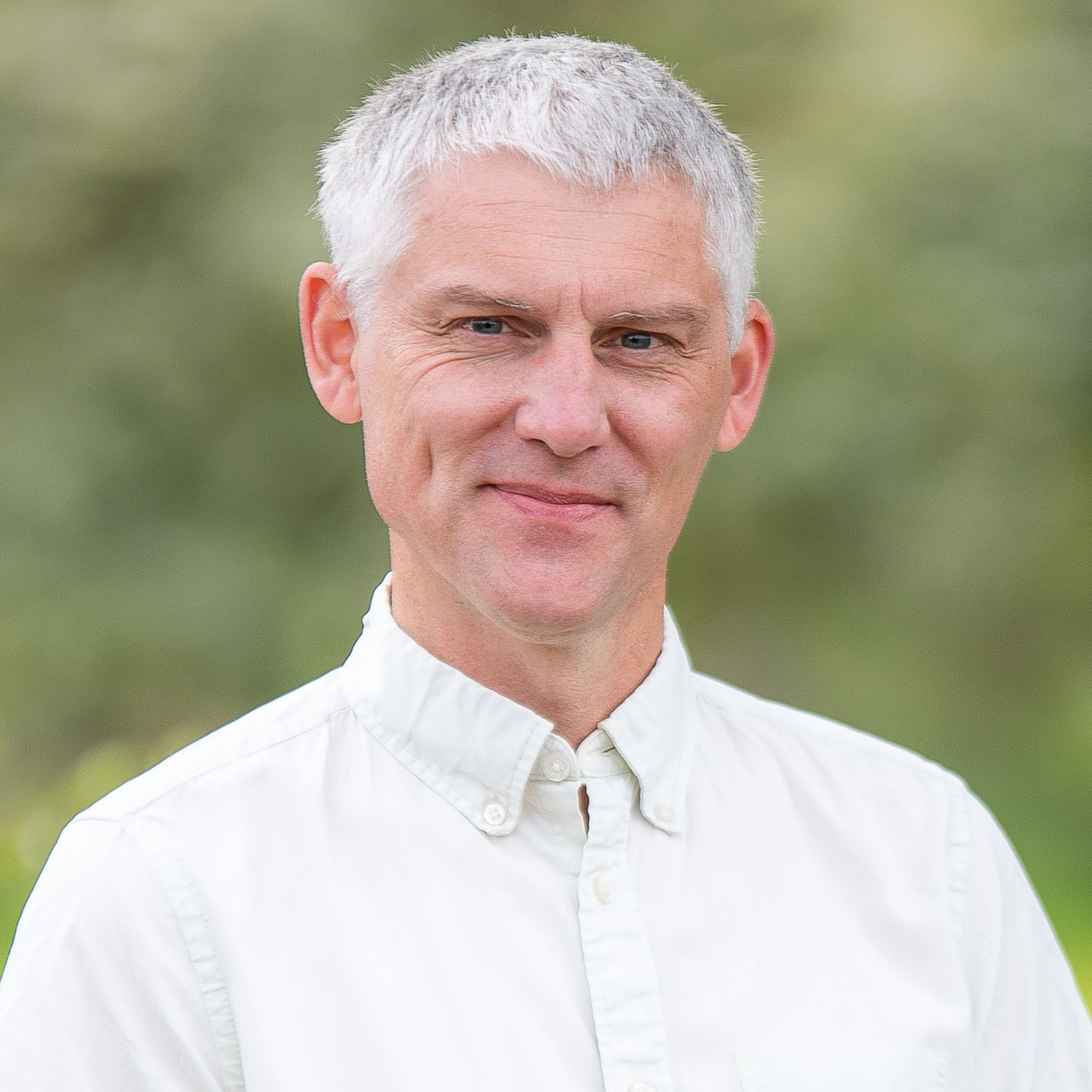
Edward Pollard (UK Business & Biodiversity Forum)
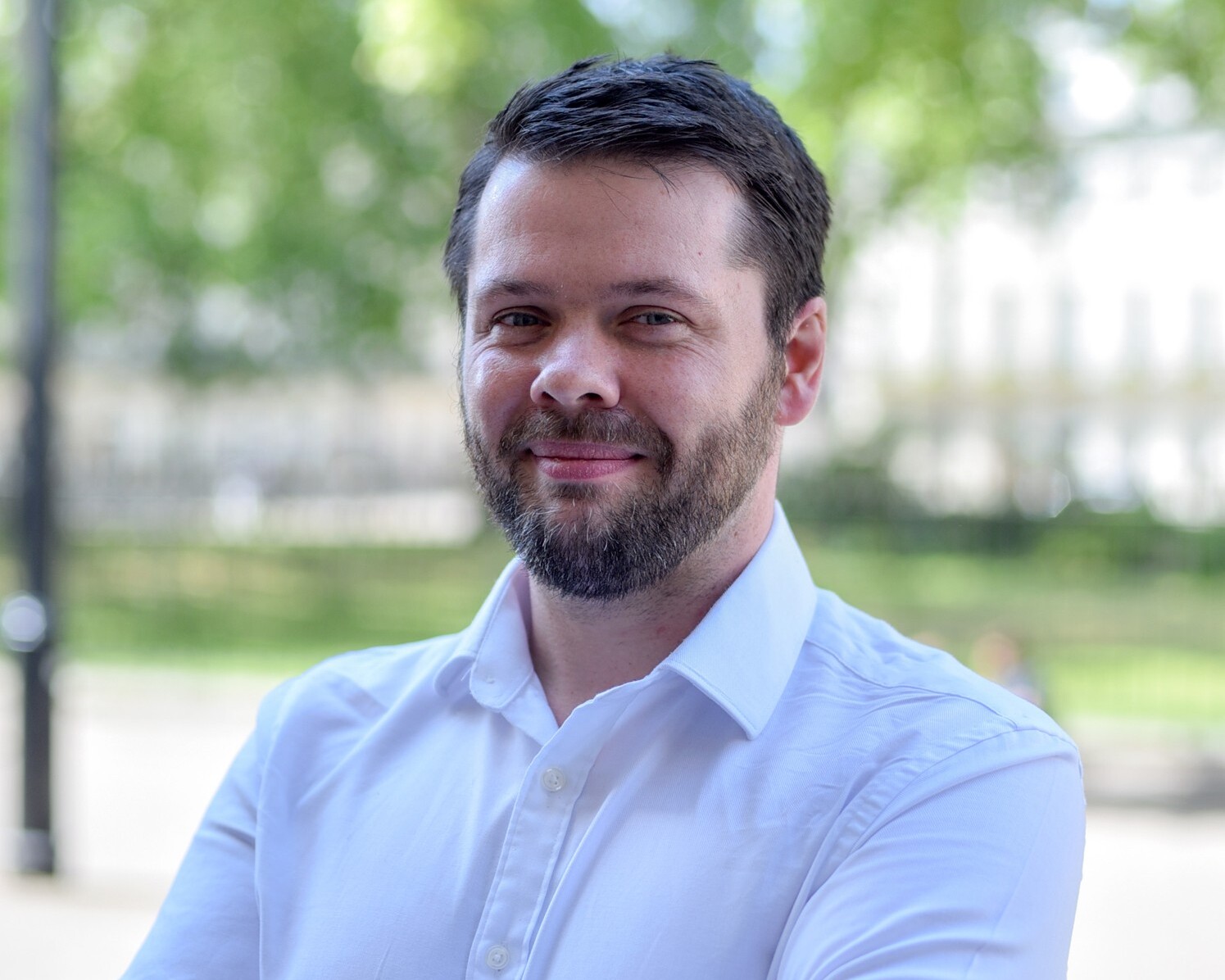
Tom Gray (BBC)
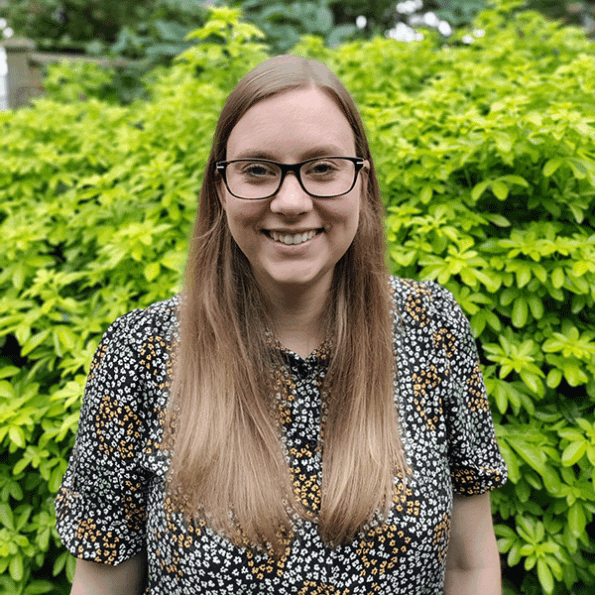
Katie Leach (Lloyds Banking Group)
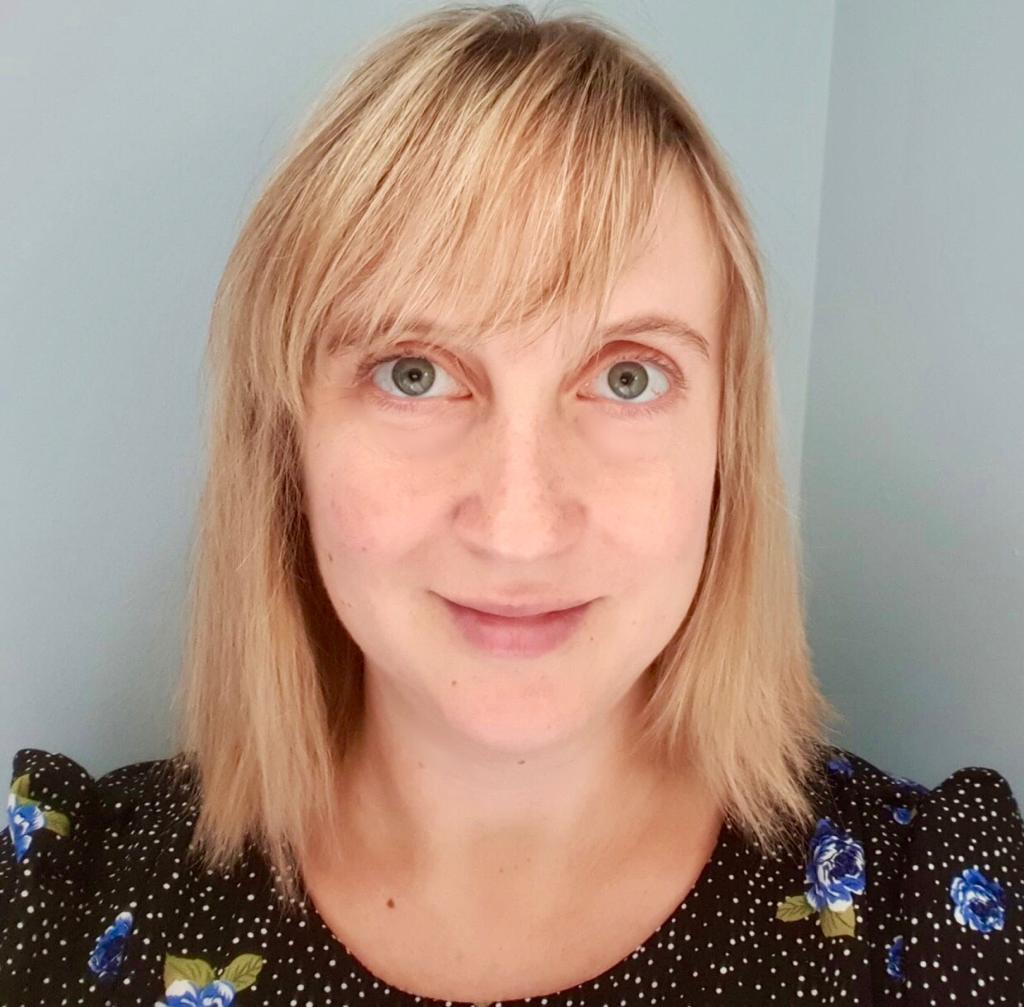
Vicky McAllister (Barclays)
Heather DE-QUINCEY (Anglo American)
Audience (by invitation only): Corporations or Large Businesses, Government and Think Tank Representatives and environmental NGO’s working with businesses
Session Partner: KPMG
An interactive session which will draw together inspiring examples of how and where businesses are already contributing to the GBF, provide real life examples and challenges of how businesses can feed into national level NBSAPs and look at how national planning and transition plans on nature & climate can become more integrated.
(10:45 – 11:45 am) Networking walk: Innovation in NbS
Take this opportunity to meet those delivering innovative; nature tech solutions, NbS developments or NbS business support functions. This networking walk will explore the zoo, with the theme of innovation.
Audience: Nature tech companies, NbS developers, and NbS enabling businesses.
(11:00 – 11:45 am) Delivering and expanding natural climate solutions investments: Lessons today to ensure a more resilient tomorrow
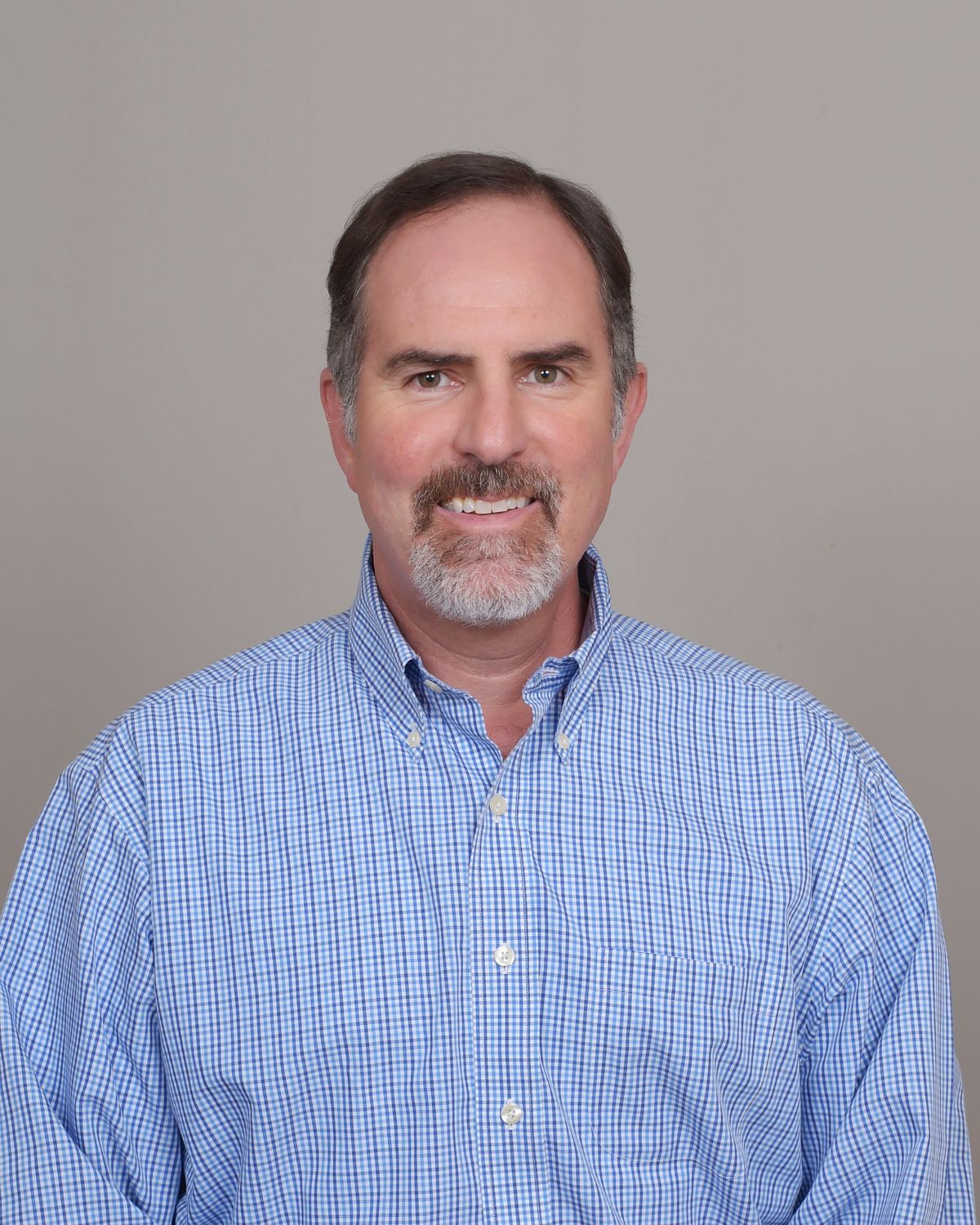
Brad Kahn (ACR)
Gwen Busby (Nuveen Natural Capital)
Stuart Allen (NativState)
Lori Melton (First Community Bank)
Gwen Yu (JP Morgan Chase)
Audience: Capital Allocators and Institutional Investors, Corporations or Large Businesses with Natural Assets
Session Partners: ACR, Nuveen, and NativState
This session examines how carbon revenues can be deployed as a catalyst for securing and scaling regenerative agriculture and forestry assets as long-term, resilient investments. A central focus will be on how these models can be adapted and replicated across natural capital asset classes more broadly, offering a transferable framework for investors and corporates seeking to integrate or expand nature in their portfolios. Drawing on successful, active case studies from funds operating in the natural capital space, participants will gain insight into how investment vehicles can be structured to attract capital, generate sustainable returns, whilst delivering measurable environmental and social outcomes.
(11:00 – 12:00 am) Close Door Round Table: The Secret Driver of Carbon Credit Quality
Audience (by invitation only): Carbon credit buyers and investors, regulators and policymakers, Indigenous Nations and community organizations, philanthropic actors, corporate sustainability leaders.
Session Partner: The Nature Conservancy
This event makes the case that community leadership is a market quality signal, backed by evidence. Through case studies of Indigenous- and community-led projects, participants will examine how governance structure, land tenure and generations of place-based ecological knowledge drive the durability, credibility, and long-term integrity. Then, attendees will gather in roundtable discussions where they will focus on the roadblocks and opportunities for investment and scalability.
(11:45 – 1:00 pm) Ending deforestation: the private sector’s role to make deforestation history

Pei Chi Wong (Global Canopy)
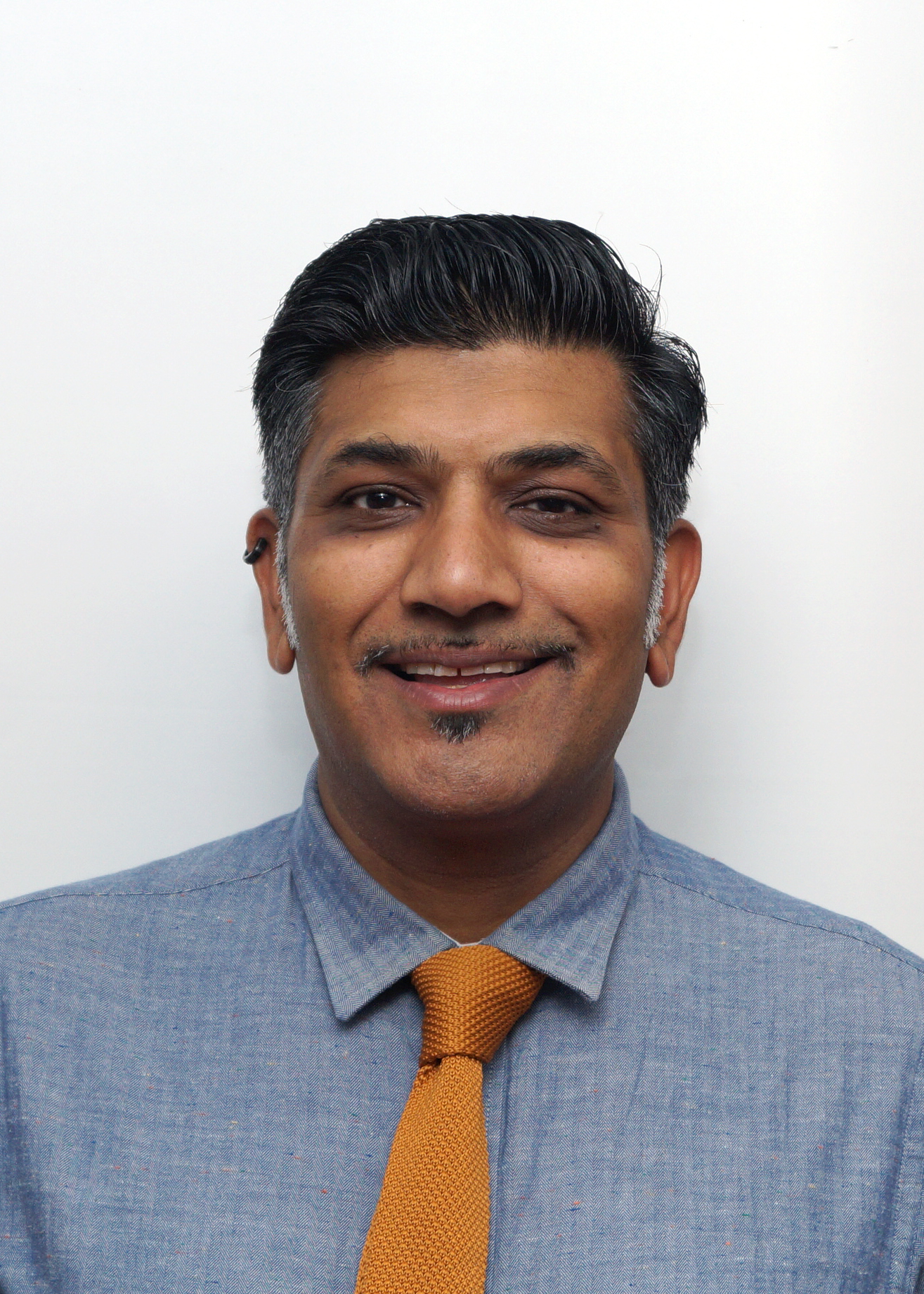
Anand Punja (Forest Stewardship Council - FSC)
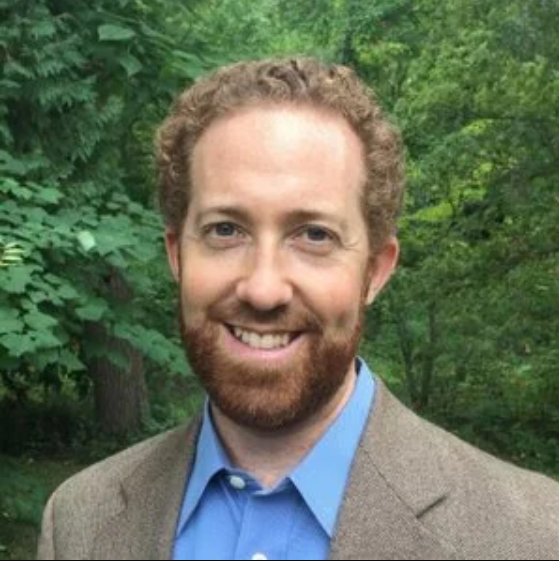
Jeff Milder (Accountability Framework initiative - AFi)
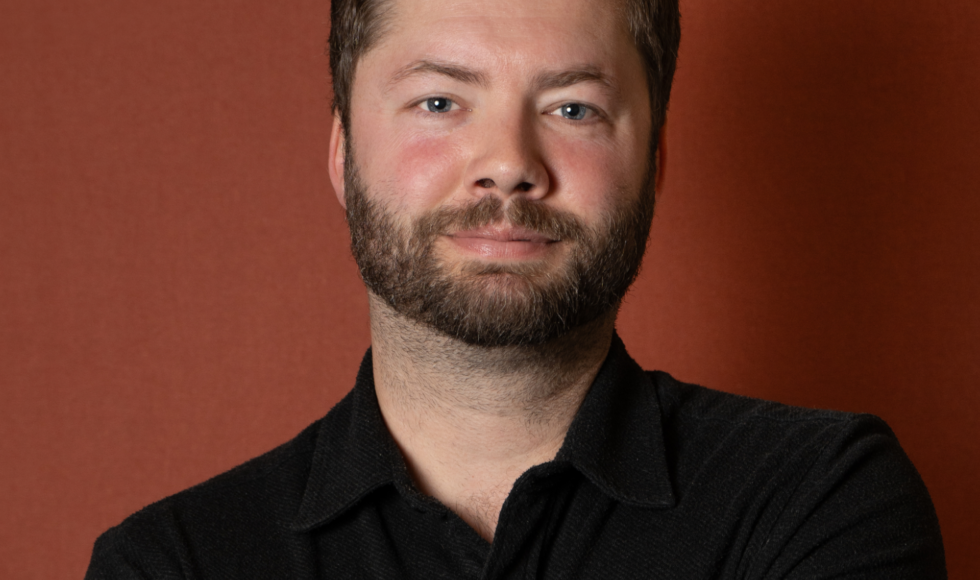
Alan Kroeger (Satelligence)
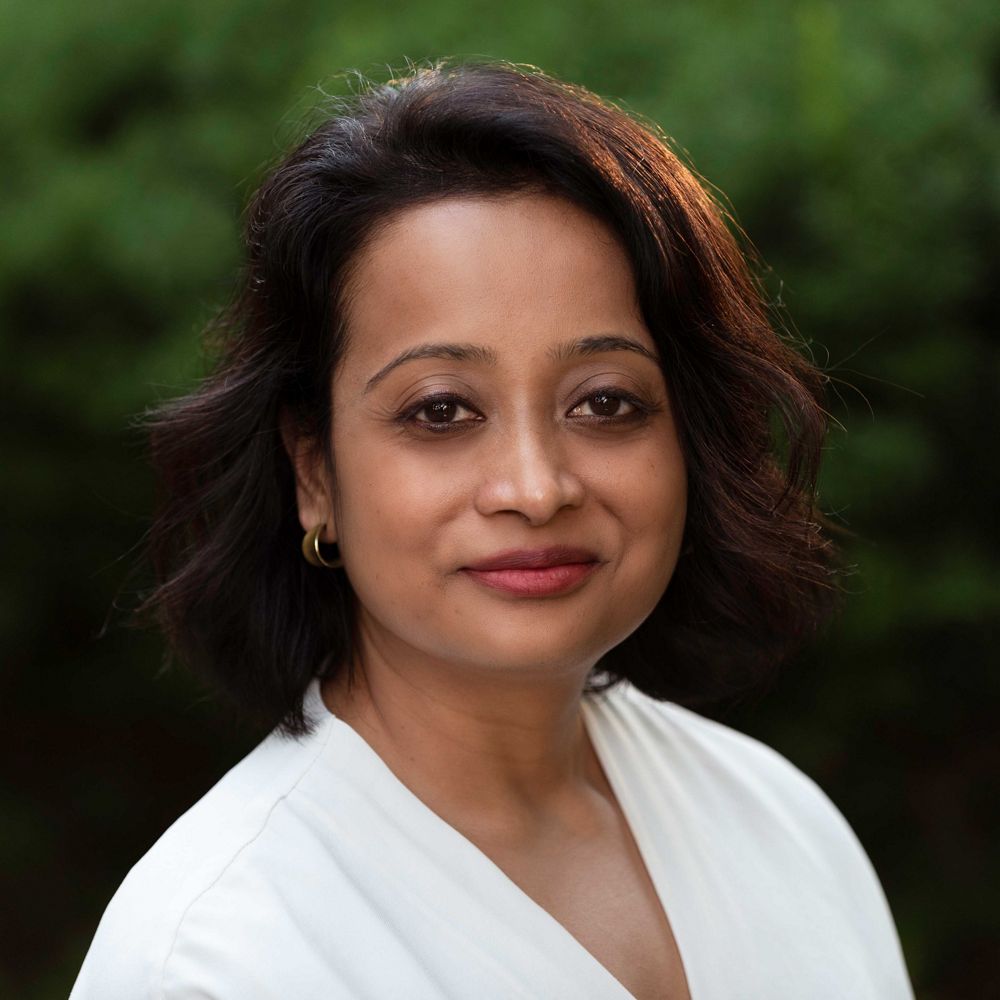
Saswati Bora (The Nature Conservancy)
Audience: Institutional Investors, Banks, Financial Institutions, Corporations or Large Businesses, Technical Leads from Consultancies, Government and Think Tank Representatives.
Session Partners: Satelligence, FSC, TNC, Accountability Framework Initiative.
Deforestation continues at an alarming rate, and the gap between ambition and delivery remains wide. This plenary maps the emerging convergence between government roadmaps, accountability frameworks, and corporate action, and invites businesses to join a broad-based movement to Make Deforestation History—turning fragmented efforts into a shared push for measurable progress by 2030.
(12:00 – 1:00 pm) Closed Door Round Table: Corporate levers to close the nature finance gap
Audience (by invitation only): Corporate actors (sustainability, procurement, treasury, strategy), Enabling business (advisory, MRV, standards, marketplaces), Asset owners & institutional investors.
Session Partner: Arbor Day Foundation.
Nature-based solutions face a structural financing challenge: projects require significant upfront investment and carry delayed, uncertain revenues, limiting access to traditional capital—particularly in the earliest stages of development when risk is highest. This roundtable sparks conversations around distinct and practical roles the corporate sector can play in addressing these gaps, by exploring three primary levers. Grounded in real examples, this discussion will explore how corporate engagement can directly influence achieving our broader, shared climate ambitions.
(1:30 – 2:30 pm) Integrity by Design: The Triple Dividend of High‑Integrity Nature Finance
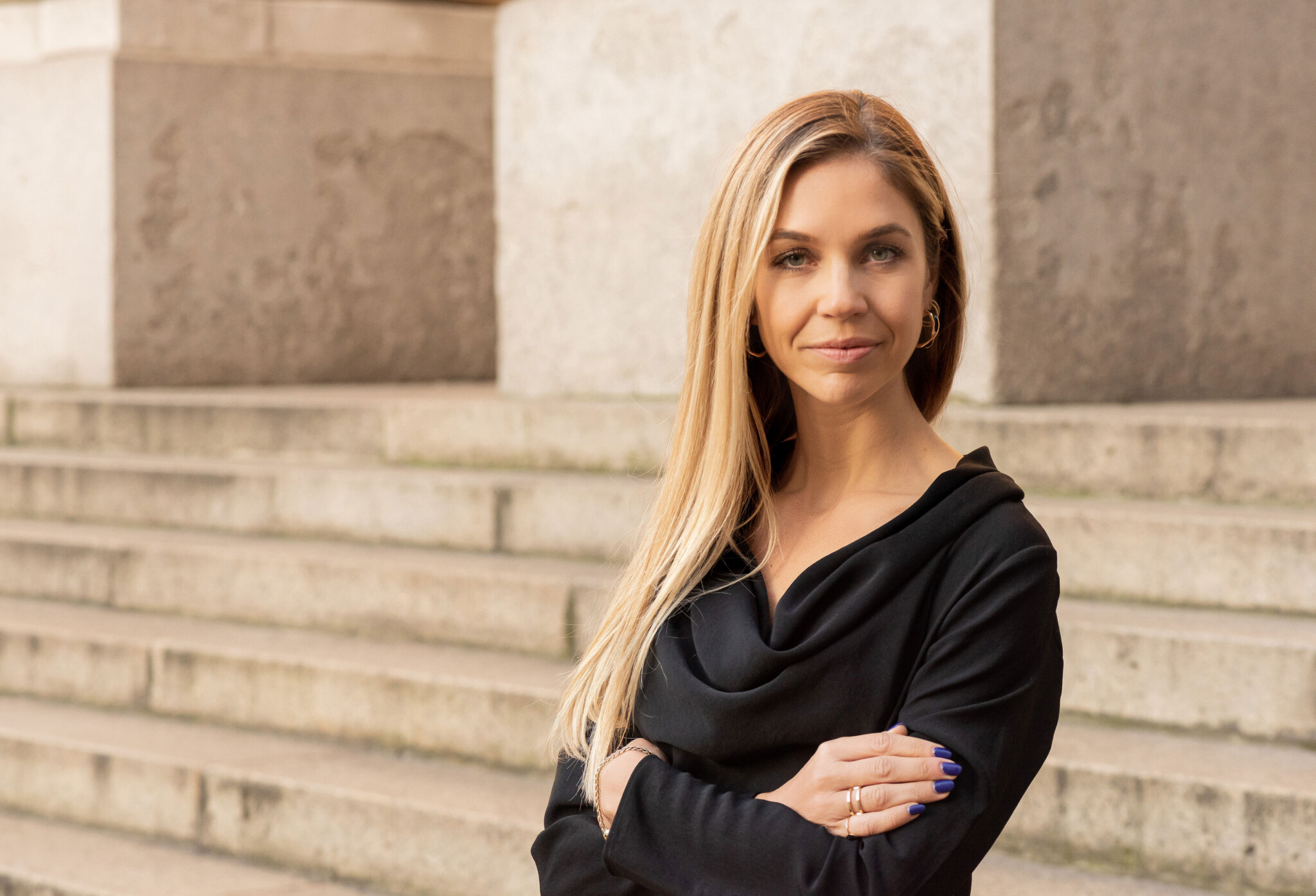
Phoebe Stone (LGT Wealth Management)

Fridah Mutili (ZSL-Kenya)
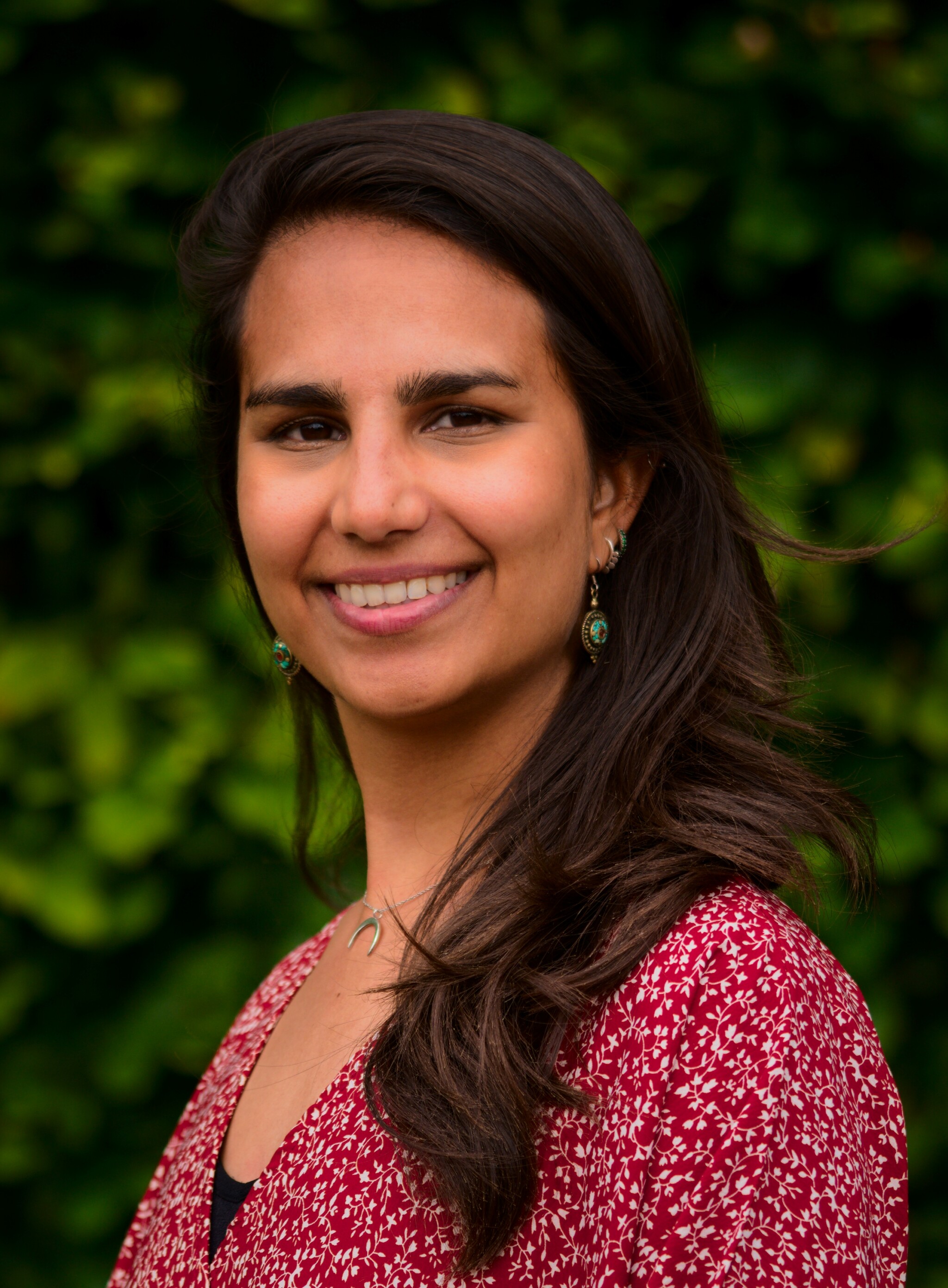
Toral Shah (Plan Vivo Foundation)
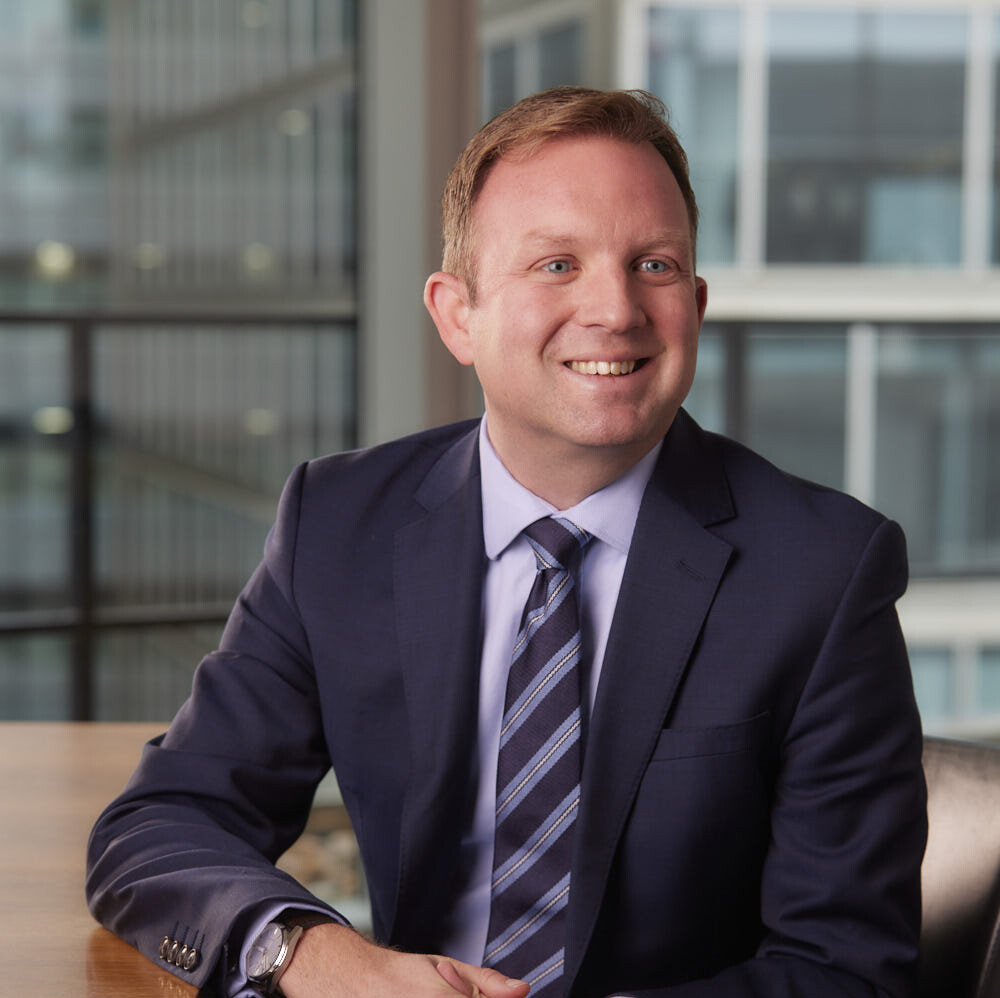
Carl Moxley (Legal & General's Group)
Robin Whytock (Okala)
Audience: Capital Allocators, Institutional Investors, Insurance Companies, Corporates investing or seeking to invest in nature-based solutions.
Session Partners: Zoological Society of London, PlanVivo, Okala, and Legal & General.
Nature‑based solutions are gaining institutional momentum form buyers and investors, yet credibility remains the core challenge. Investors and corporates need clear ways to distinguish truly high‑integrity, durable projects from those lacking scientific rigour, community safeguards or environmental additionality. This session brings together leading investors, project developers, solutions providers and standards setters to define what credible nature finance looks like, and why it matters for corporate strategy and bankability.
(1:15 – 2:45 pm) Closed Door Round Table – From Commitments to Delivery: Place-based approaches for resilient supply chains
Audience: by invitation only.
Session Partner: Accountability Framework Initiative and The Nature Conservancy.
Following the plenary, we will convene a small group of senior leaders from corporates, financial institutions, governments and technical organisations for a practical, implementation focused discussion. The session will focus on how companies and financial actors can work together to activate landscape‑level approaches that both protect forests and strengthen supply chain resilience.
(1:30 – 2:30 pm) Networking walk: Corporate leaders
Get a post lunch networking walk with Corporate Leaders, including those heading up ESG, Nature or Climate Functions at Corporations or Large Businesses. This networking walk will explore the zoo, under the theme of ‘what can corporations do to drive real investment in nature’.
(2:30 – 3:30 pm) Bridging the Nature-Tech Divide: How to Deliver a Portfolio Approach in Practice
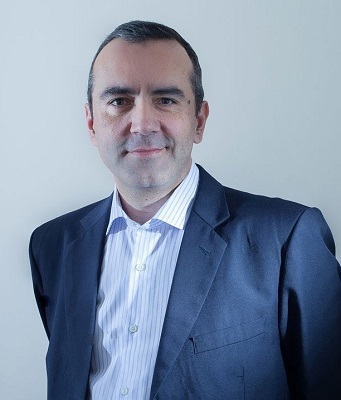
Pedro Martins Barata (EDF)
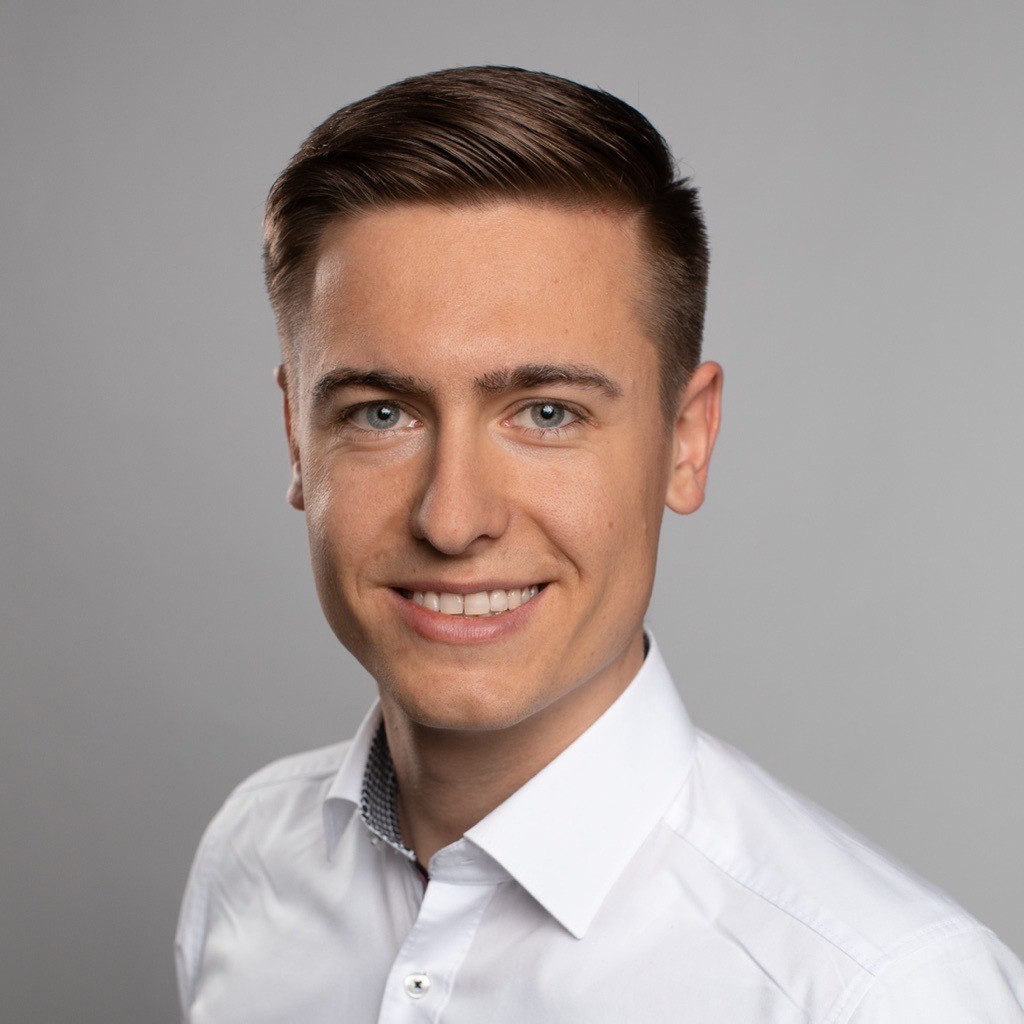
Michael Denner (Climeworks)
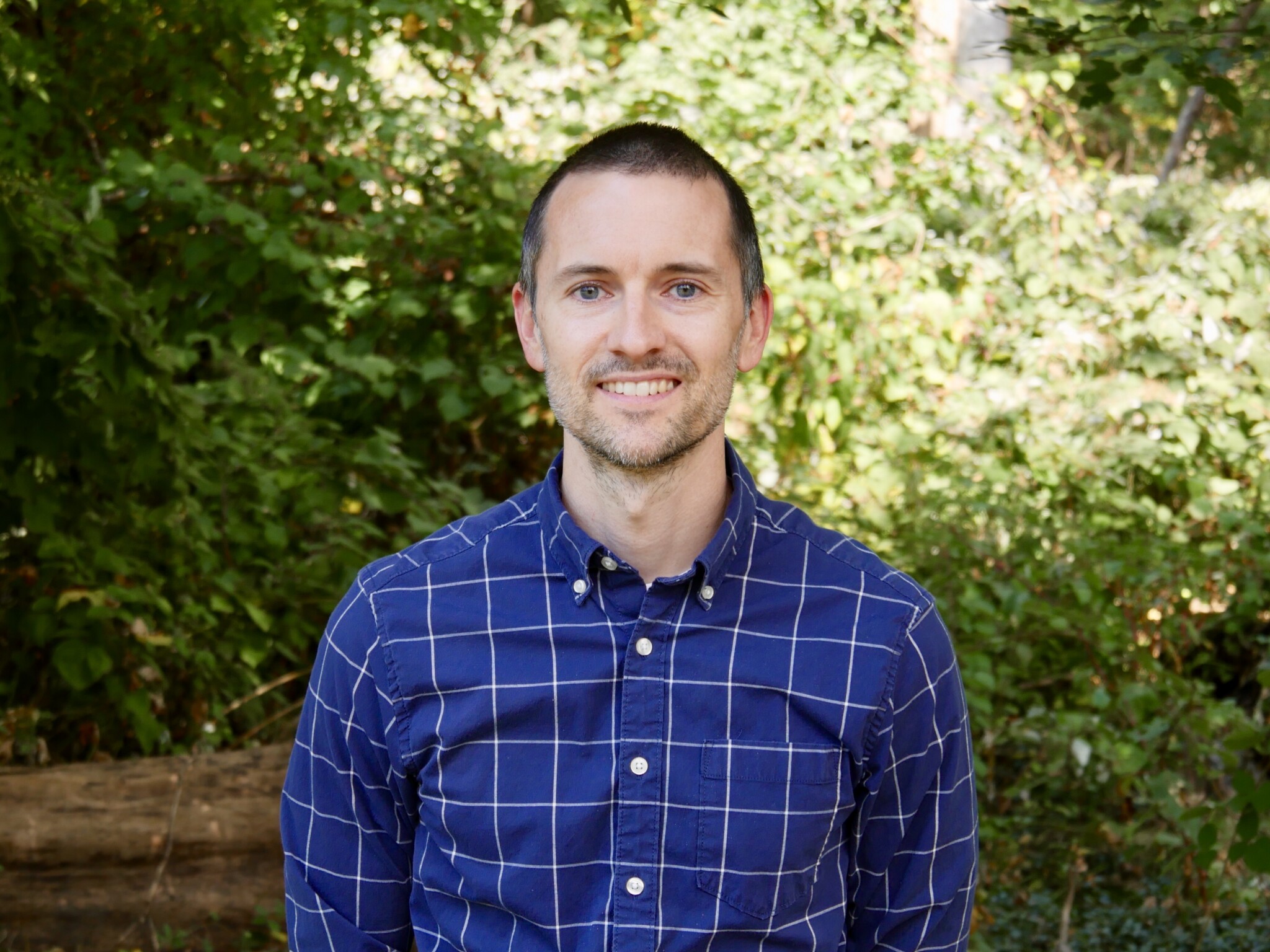
David Martin (The Nature Conservancy)
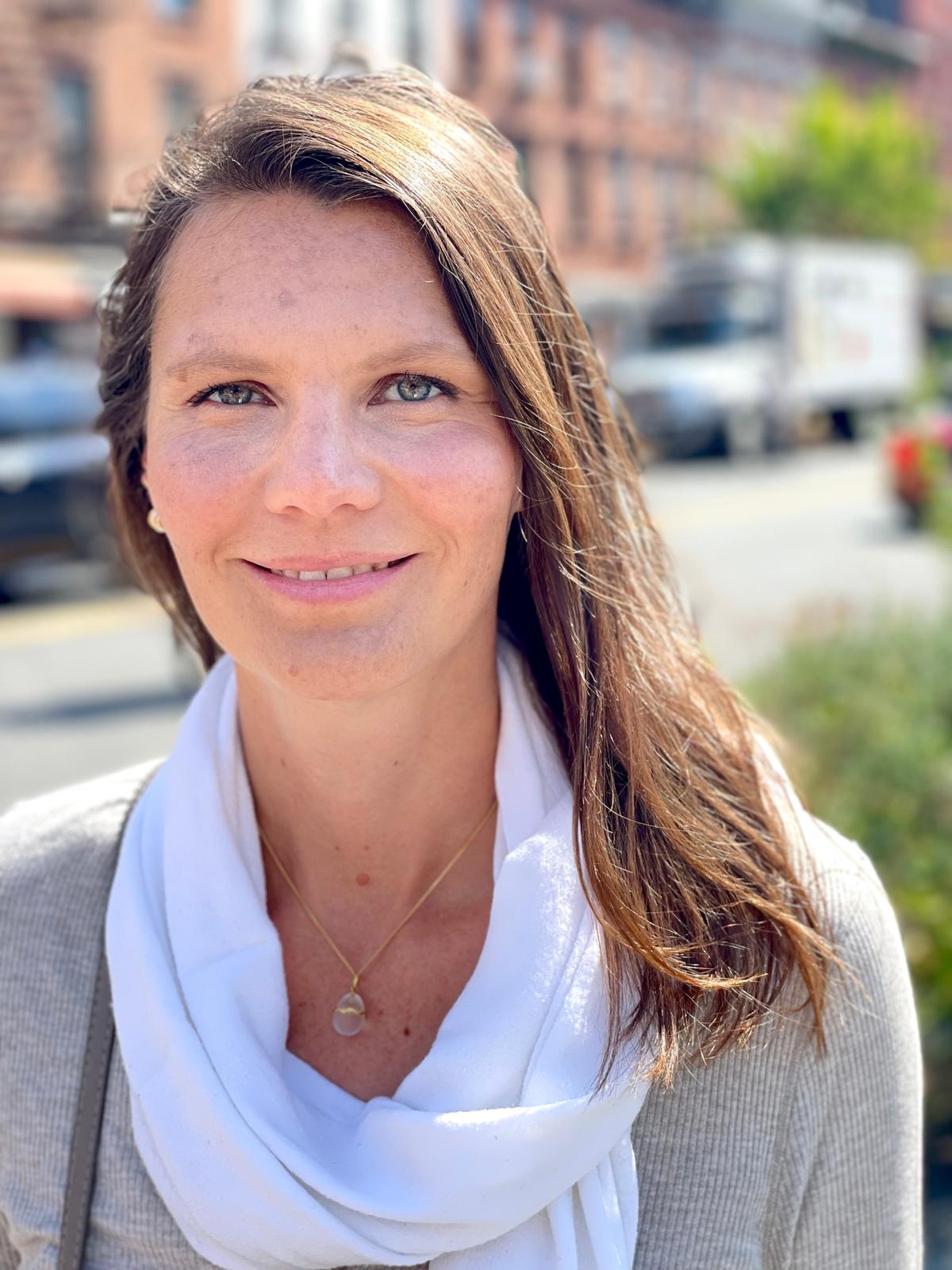
Danae Maniatis (Independent consultant)
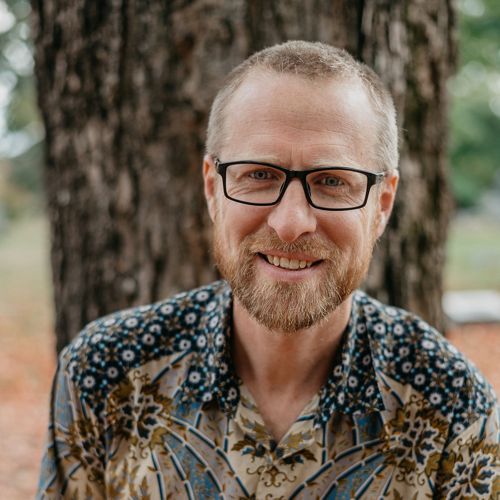
Peter W. Ellis (Audubon)
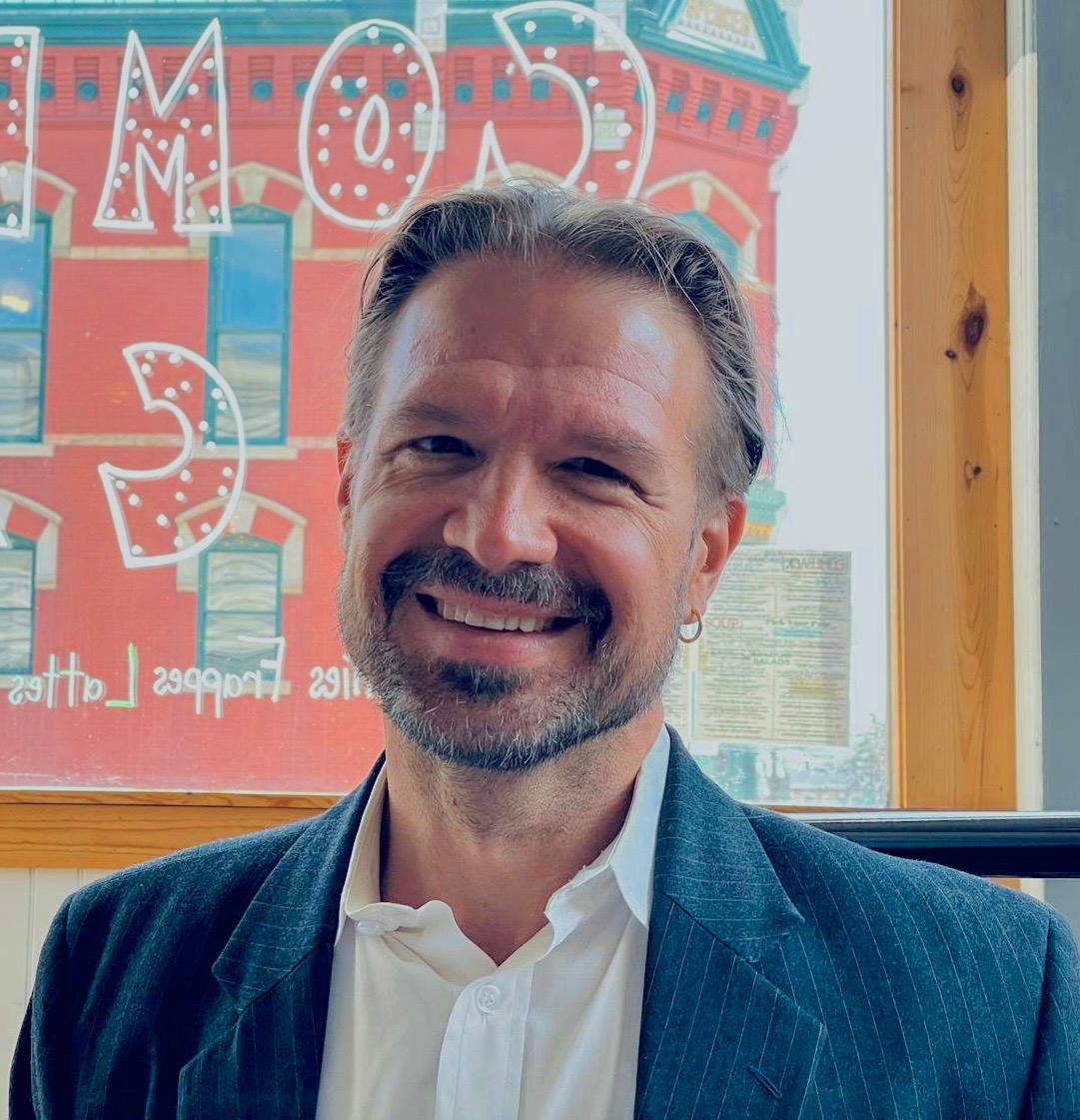
Aaron Marr Page (Forum Nobis PLLC)
Audience: Institutional Investors, Insurance Companies, Corporations or Large Businesses, Nature Tech Businesses, Government and Think Tank Representatives.
Session Partner: The Nature Conservancy.
This session will bring policymakers, investors, and leaders from both the nature and technology communities together for a frank, solutions-focused conversation on how climate portfolios actually work in the real world. Moving beyond abstract calls for “both nature and tech,” the session will examine why unhelpful divides persist – and what it would take to build a more credible, investable, and politically durable mix of climate solutions. Drawing on emerging insights from the SHIFT‑CM Optimising Climate Solutions work, the discussion will explore how different expert communities weigh risk, time, and durability, and how those perspectives shape policy, capital allocation, and strategy. This discussion will invite participants to move past false choices and engage with what a practical, complementary climate portfolio could look like in practice.
(2:45 – 3:45 pm) Closed Door Round Table: Data-driven natural capital investment for returns and resilience
Audience (by invitation only): Finance and investment professionals including asset owners, capital allocators and institutional investors
Session Partner: Nuveen Natural Capital
The natural capital sector, which traditionally includes farmland and timberland, has long been recognized for its portfolio-level benefits — diversification, attractive returns, stable cash yield and a hedge against inflation. In this roundtable we will explore the trends, emerging strategies, portfolio management and measurement approaches which can deliver a portfolio of NBS investments with competitive performance, diversification benefits, and measurable positive impacts on nature and climate.
(4:00 – 5:00 pm) Managing Reversal Risk: Solutions for Durable Nature-Based Carbon Markets
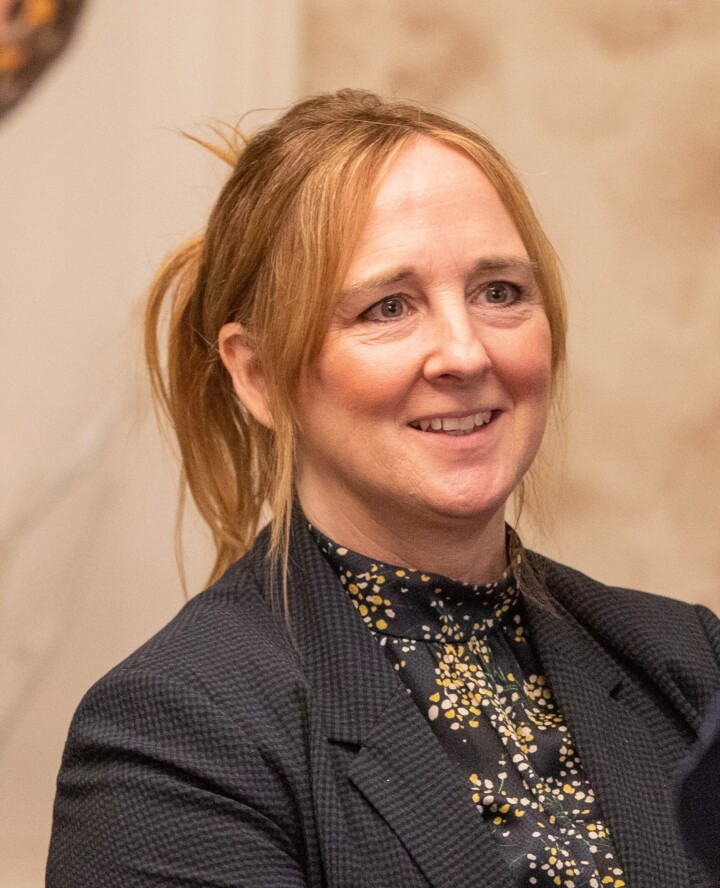
Lucy Almond (Nature4Climate)

Anton Tsvetov (ICVCM)
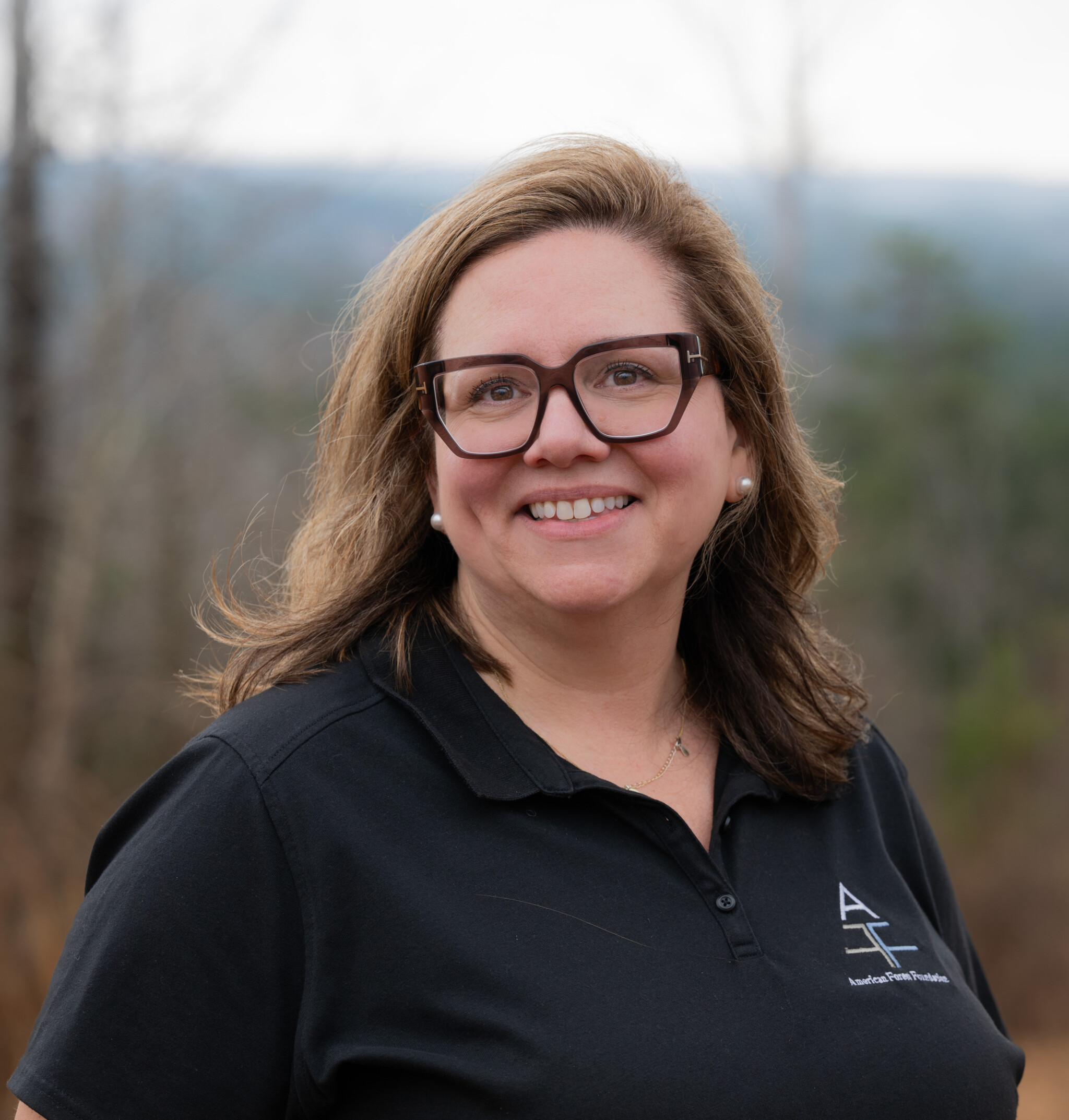
Rita Hite (AFF)
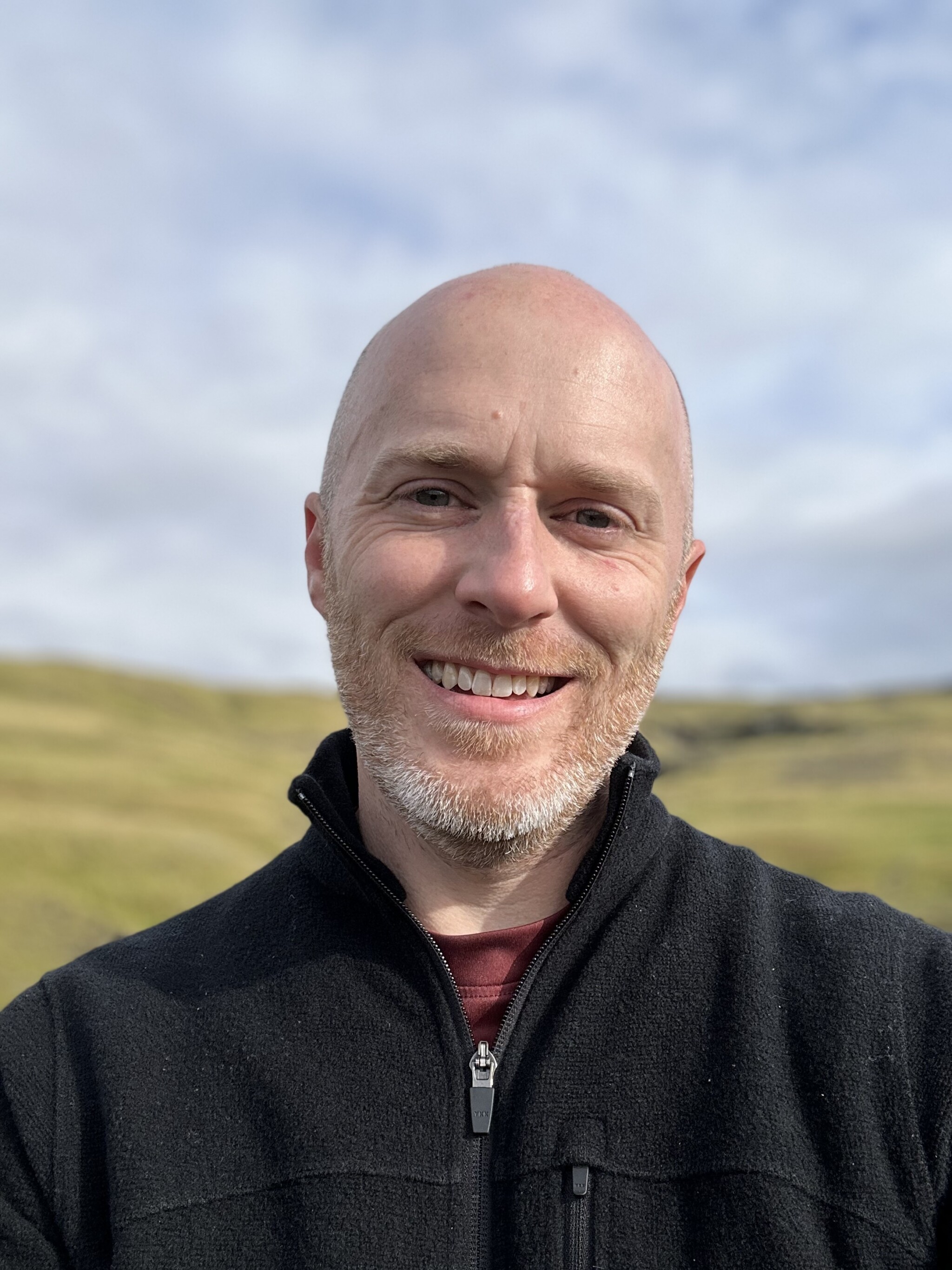
Kyle Clark Sutton (RMI)
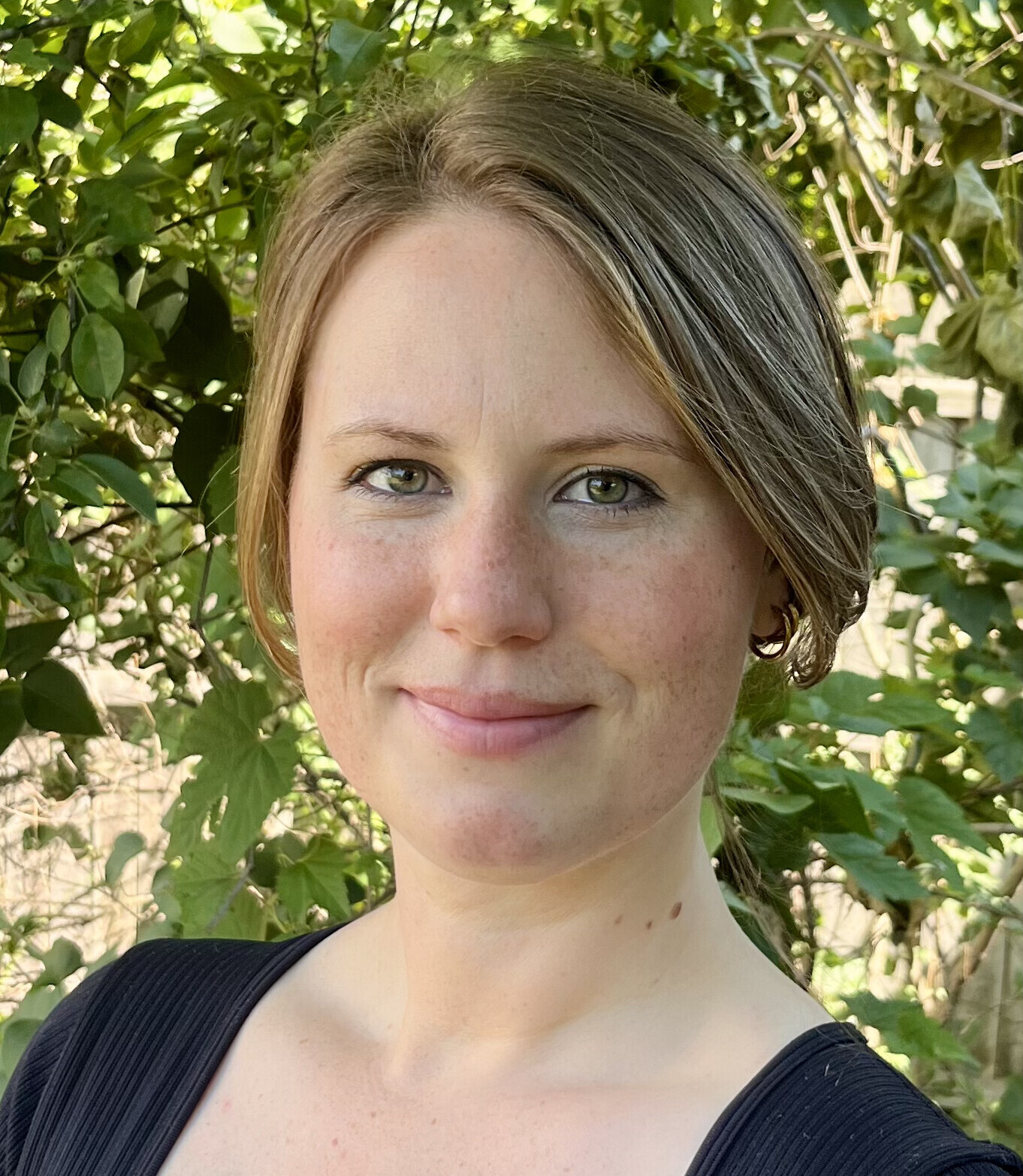
Savannah Gupton (Yale Applied Synthesis Program)
Randy Spock (Google)
Audience: Institutional Investors, Corporations or Large Businesses, Technical Leads from Consultancies, Government and Think Tank Representatives.
Sessio Partners: Beyond Alliance and The Nature Conservancy.
This session will convene policymakers, standard setters, market actors, and civil society to explore how carbon markets can credibly manage reversal risk while enabling urgent climate action with the full portfolio of climate solutions today. Moving beyond a binary debate about permanence, the discussion will focus on practical tools and emerging innovations – such as buffer pools, insurance, stress testing, and legal and financial mechanisms – that can be designed, combined, and continuously improved to deliver durable climate outcomes at scale. The speakers will spotlight how better risk management can strengthen market integrity, build confidence, and ensure both nature-based and tech-based solutions remain central pillars of climate mitigation in the critical decades ahead.
(4:00 – 5:00 pm) Closed Door Round Table – Treating nature as an investable infrastructure asset: a key lever for impact
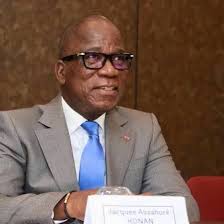
Jacques Assahoré Konan (Minister of Water and Forests for Côte d'Ivoire)
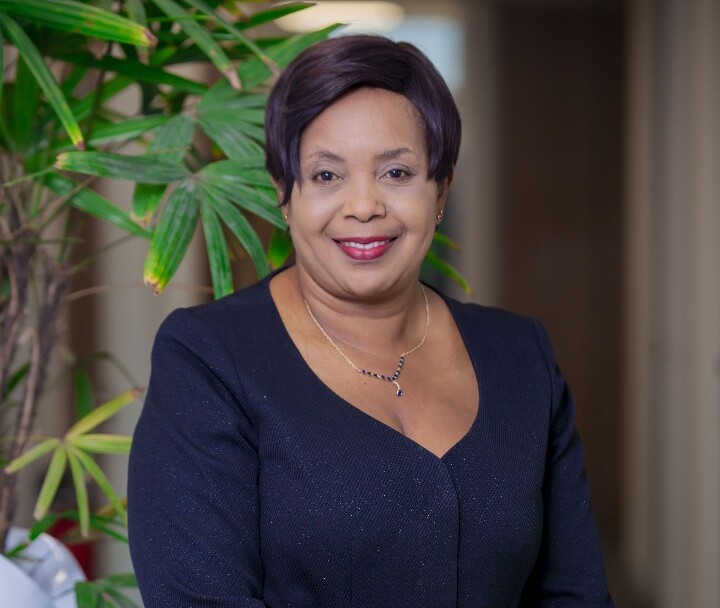
Marie-Chantal Uwanyiligira (World Bank Group)
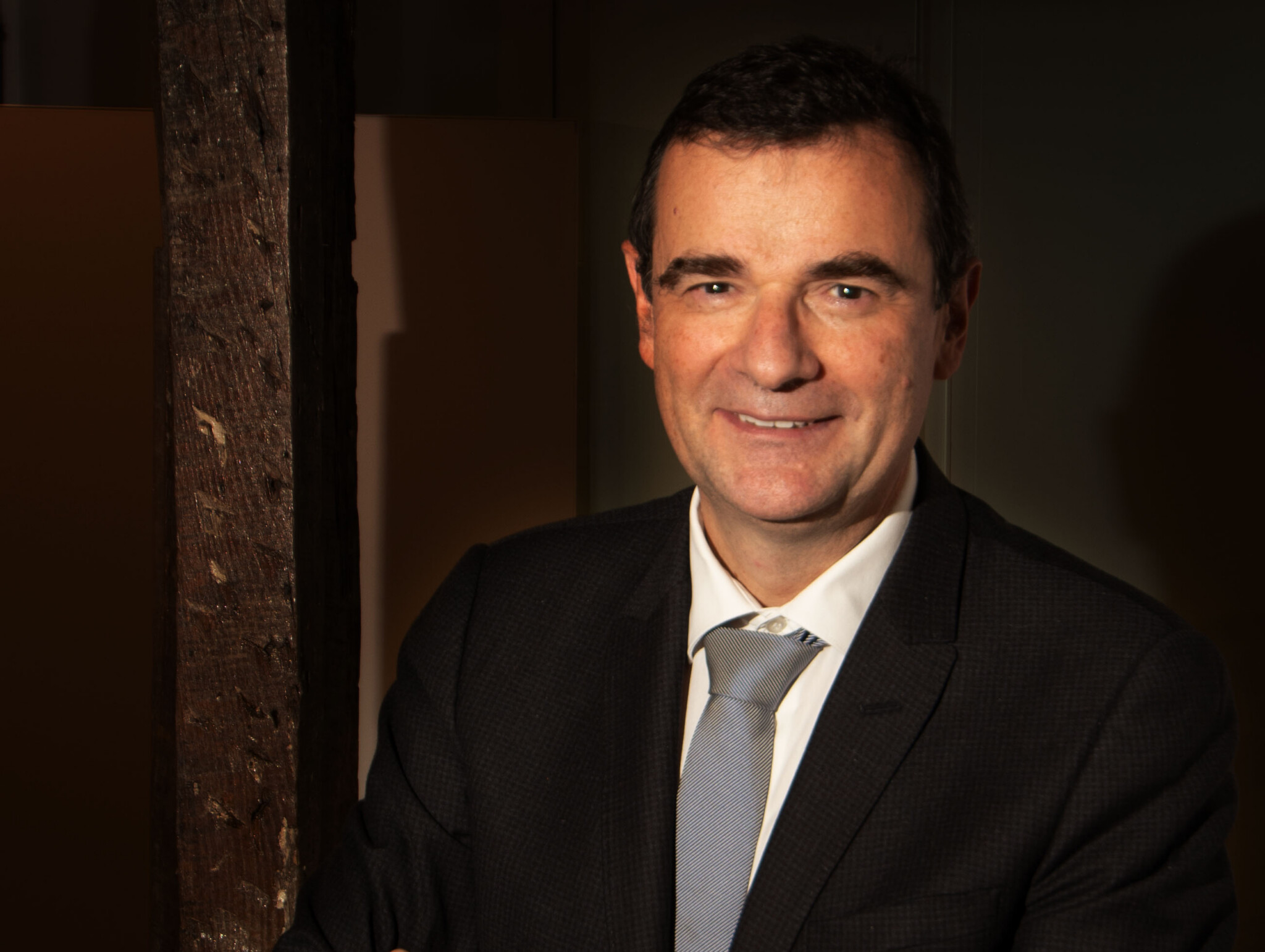
Fabio Ferrari (aDryada)
Audience: Corporate actors (sustainability, procurement, treasury, strategy), Enabling business (advisory, MRV, standards, marketplaces), Asset owners & institutional investors
Session Partner: aDryada
Despite declining concern about climate issues in some regions, forward-looking companies committed to Net Zero are increasingly seeking high-integrity carbon removal credits. At the same time, more countries are introducing carbon regulations aimed at attracting foreign investment into high-impact projects. How can long-term impact be ensured, and how can growing corporate demand be met when most nature-based removal projects remain small-scale and undercapitalized?
This panel will explore an emerging solution: treating nature-based projects as investment-grade infrastructure assets. It will examine the rationale behind this approach, its benefits, and the regulatory features most attractive to international investors.
(4:00 – 5:00 pm) Networking walk: Finance sector
Feeling like you might be ready to get out of the room, at the end of the event to get a breath of fresh air. Now’s the time. Meet people from the Finance Sector, who are exploring investments in nature-based solutions. This networking walk will explore the zoo, under the theme ‘how can we move more finance into nature-based solutions’.
Audience: Capital Allocators, Institutional Investors, Insurance Companies
(6:00 – 8:00 pm) Drinks Reception
Stay tuned—we are regularly updating speakers for all sessions.