LCAW 2026 Made One Thing Clear: It’s Time for the Green of Standing Forests to Meet the Green of Dollars
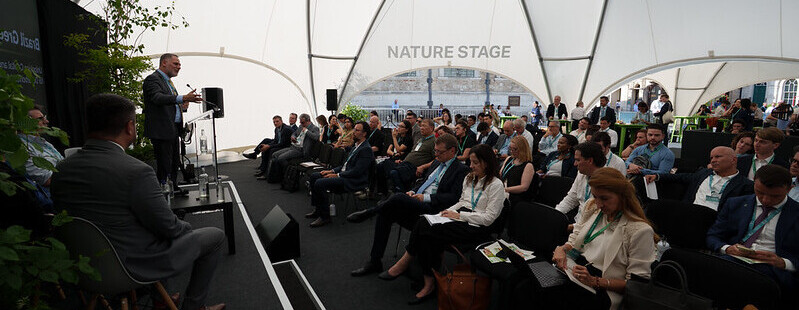
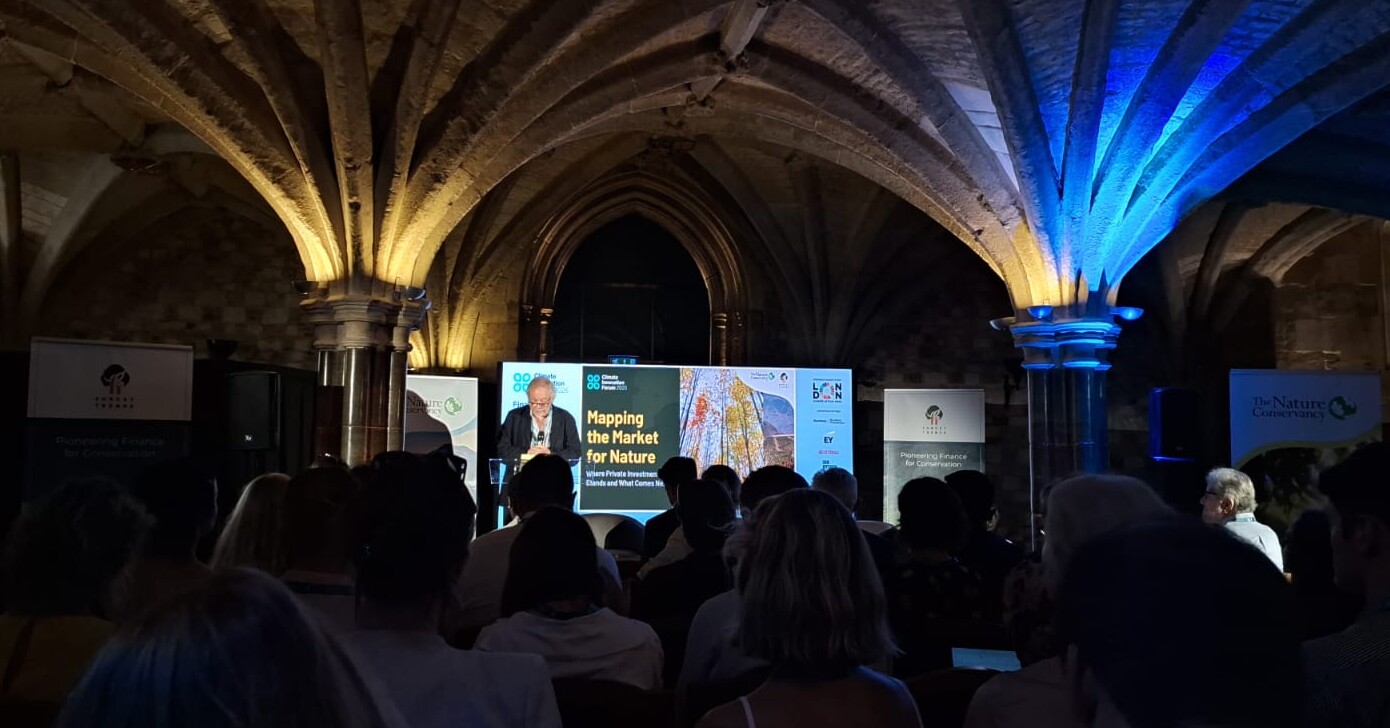
Nature Stage at the Climate Innovation Forum. Photo: Climate Innovation Forum
One week. One thousand events. Hundreds of thousands of people. For most of the week, London’s thermometer hovered around 30ºC.
But those were not the biggest numbers of the so-called “biggest London Climate Action Week ever”. For anyone who spent the week in the UK capital, it was clear that London is becoming the centre of climate economy discussions, and the real figures on the table were in the millions and billions needed to turn solutions into reality.
It was also clear that LCAW wants to be the place where different actors can join forces as coalitions to turn commitments into action. The message throughout the week was that implementation and dealmaking cannot rely exclusively on the countries’ often slow, consensus-based negotiations that take place behind the closed doors of the UN Climate Conference Blue Zone.
Emma Reynolds MP, Minister of State at the UK Department for Energy Security and Net Zero, made that point quite clearly on Monday at the Nature Stage of the Climate Innovation Forum, stating that: “London has a unique role to play. No other city combines nature ambition with the financial power needed to deliver it, and we intend to use that to our advantage.”
The New Nature Economy:
The “money talk” spread across sessions and spared no topic. Nature, least of all. The phrase “nature as infrastructure” was probably mentioned almost as many times as there were attendees throughout the week, making it clear that nature is no longer viewed solely as an environmental concern, but increasingly as a strategic economic asset.
“Nature is the biggest business opportunity of this century,” said Tim Christophersen of Salesforce on the Goals House stage. “Nature is more than a line on our balance sheets. Nature is our balance.”
The rise of the nature economy narrative reflects a simple reality: conversations about the green of dollars gain more traction than conversations about the green of forests. Today, for every dollar invested in protecting nature, approximately $30 is still spent on activities that degrade it (UNEP’s State of Finance for Nature 2026). As a result, the nature-based solutions community showed up in force to demonstrate that standing forests deliver value – not only as climate solutions, but also as sources of economic stability and attractive returns.
“If we restore a billion hectares of land, it will create so many jobs and deliver rates of return so high that it will end up being worth much more than traditional investments,” argued Andrew Steer, Professor at the London School of Economics and Chair of the Board of Trustees of the Royal Botanic Gardens, Kew. “There are real grounds for hope. One of those grounds is the fact that we’re having, for the first time, a dedicated Nature Stage at the Climate Innovation Forum. Next year, it should be in the main plenary.”
>> READ MORE: The new economics of nature: 13 lessons from Nature Hub @LCAW 2026
Below, you will find some of the best quotes of the week that capture the essence of the nature-based solutions discussions taking place across London.
Please use the arrows to read our full quote reel with the images:
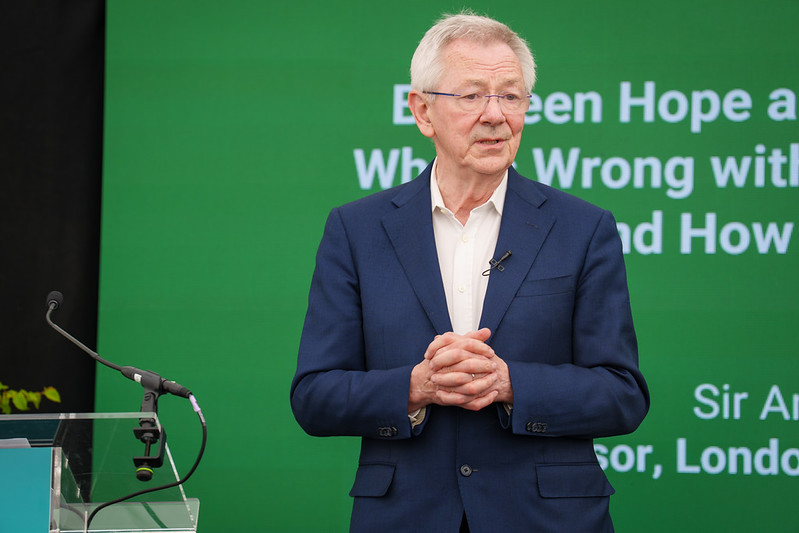
“We need to get the economics right and mend the system. Governments can stop subsidising harmful practices; corporations and banks can carry out serious risk assessments of supply chains; and we can recognise that it may be possible to generate serious returns from nature in a thoughtful way. It turns out that, if we do the green transition right, there will be about 350 million net new jobs worldwide. More than half of those jobs will be associated with nature. We tend to think the jobs will come from energy and tech, but that's tiny compared with the jobs that will come from restoration, new ways of doing agriculture right, and conservation. This is a a fantastic opportunity” - - Andrew Steer, Professor of London School of Economics and Chair of the Board of Trustees of the Royal Botanic Gardens, Kew. Photo: Climate Innovation Forum
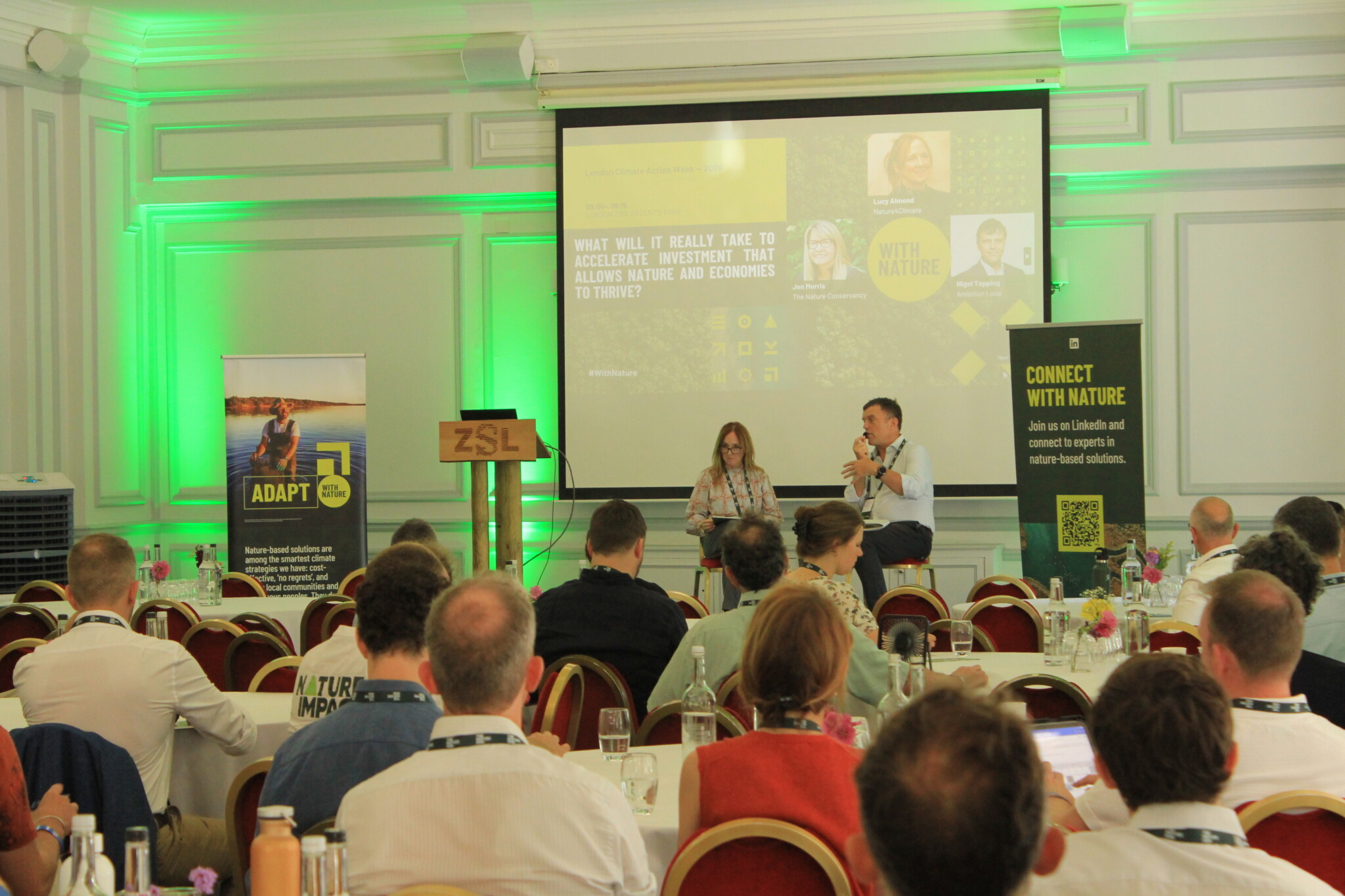
"Rather than asking, 'How big is the gap?', I'd ask: 'How fast do we need to grow the deployment of private capital, and what would it take to double it twice over the next five years?' We're still not framing the conversation in a way that truly invites private finance to be a problem-solving partner. If we want billions of dollars to flow into climate solutions, we need to celebrate the role of private capital and private profit when it enables large-scale restoration projects that support communities, create jobs, and deliver real outcomes." - Nigel Topping, UK's High-Level Climate Action Champion (COP26). Photo: Mariana Ceccon/Nature4Climate
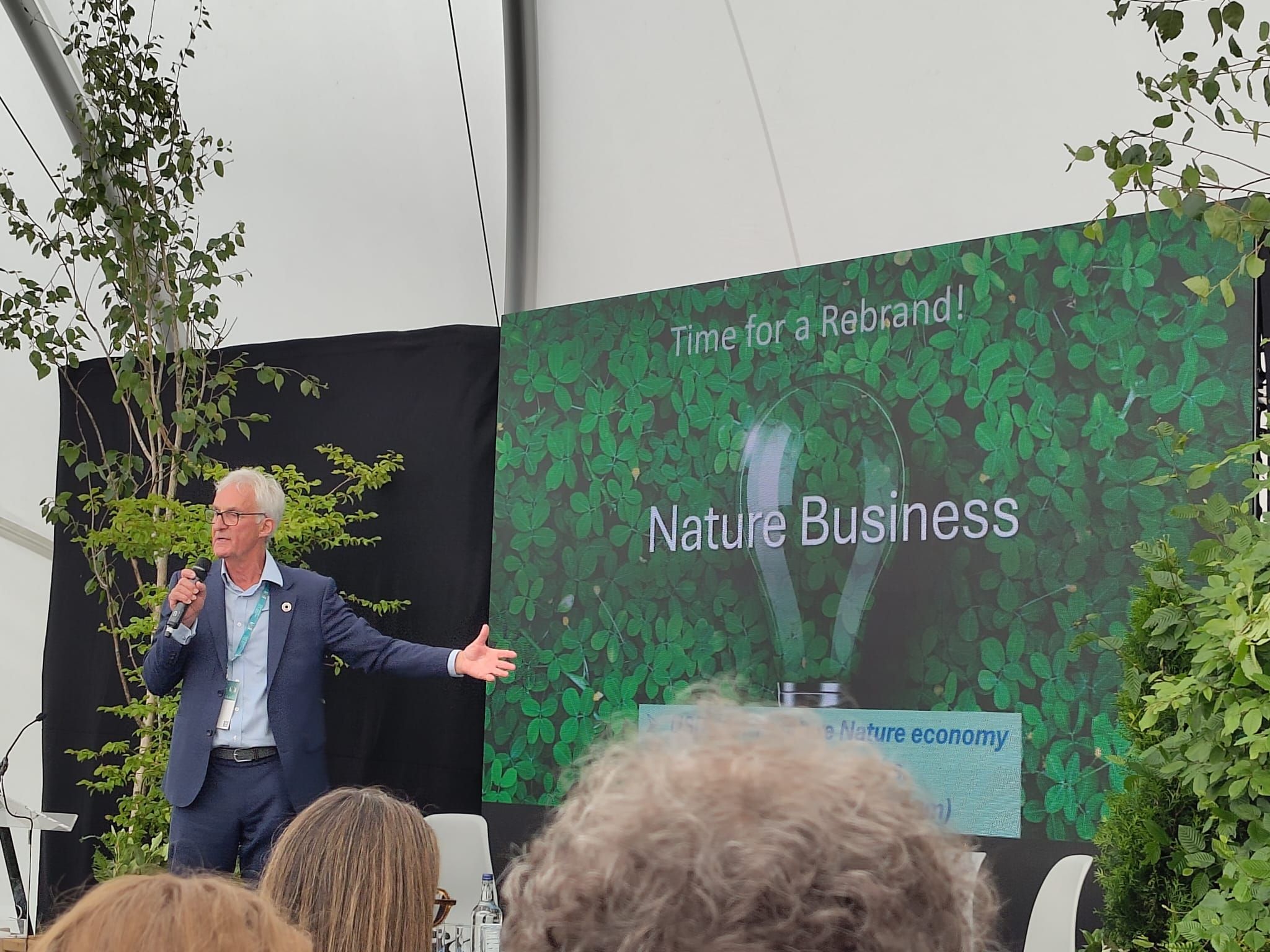
“We need to use and understand the right language. One of the things we've been talking about is nature as infrastructure, and thinking about natural infrastructure. It's not ecosystem service systems or sustainable this or that. We used to talk about nature as precious, but we also need to put a value on that preciousness." - Michael Jenkins, CEO, Forest Trends. Photo: Mariana Ceccon/Nature4Climate
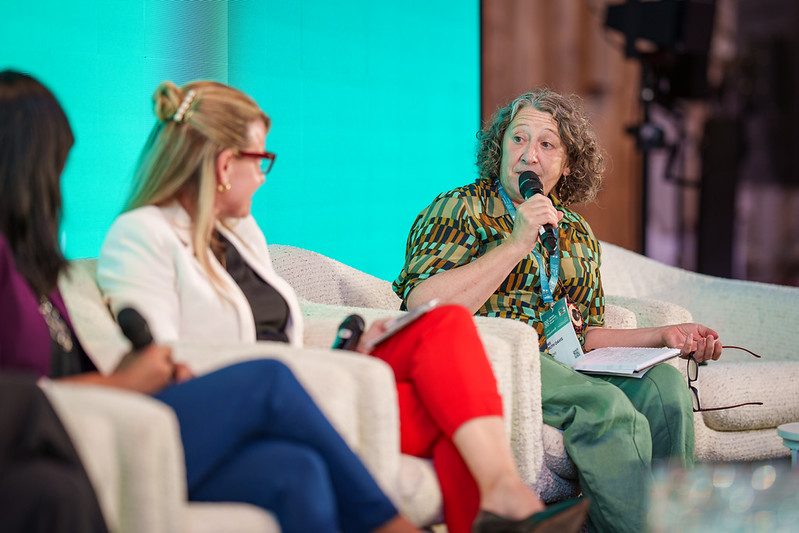
"How do we go from innovation to radical normalcy, where we don't question whether something is innovative, but instead see it as a normal course of business that requires us to invest in resilience and adaptation in everything we do?” - Jen Morris, CEO, The Nature Conservancy. Photo: Climate Innovation Forum.
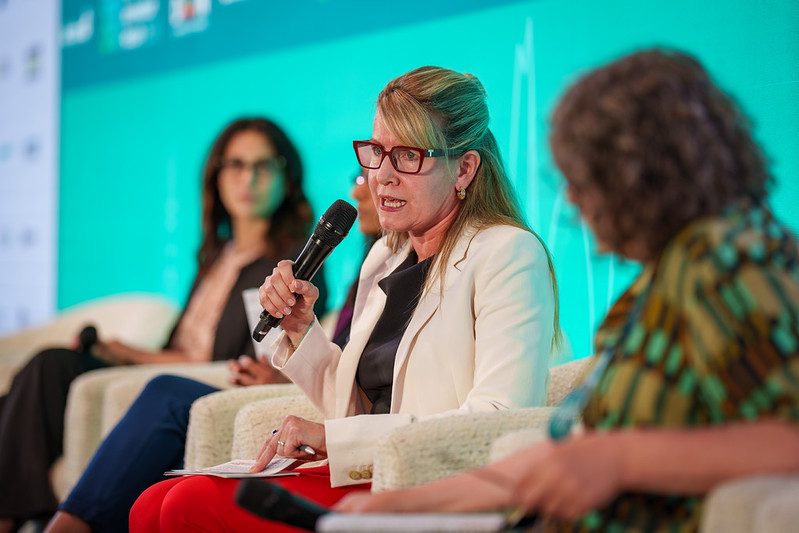
“Why are we still facing such high costs of capital for investing in what ought to be the fundamental basis of our economy: the resilience of natural systems and the functioning of that resilience? I don't think we should still be in a situation, a couple of years from now, where a country chooses to invest in resilience and, rather than reducing its cost of capital, ends up adding to its existing debt. That is a massive challenge, but it is also the issue that we have to try to address in the future." - Ruth Davis OBE, UK Special Representative for Nature. Photo: Climate Innovation Forum.
“We tend to think of nature as small things — bees, trees and farmers. We don't immediately see a sewage plant being turned into an energy plant using nature-based technology. You don't see new kinds of pharmaceuticals, and you don't see nature as something that is working right across our economy. But it is, and it's already big. Many of you are already tagging these investments in your portfolios and may suddenly discover that you're already investing millions of dollars in nature-related businesses. I think we're at a stage similar to 30 years ago, when nobody really understood what renewable energy was. 'You want to put those weird things on our roof called solar panels?' But look what's happened since then. We're on the brink of that same kind of revolution for nature." - Andrew Mitchell, Founder & Senior Advisor, Global Canopy. Photo: Global Canopy
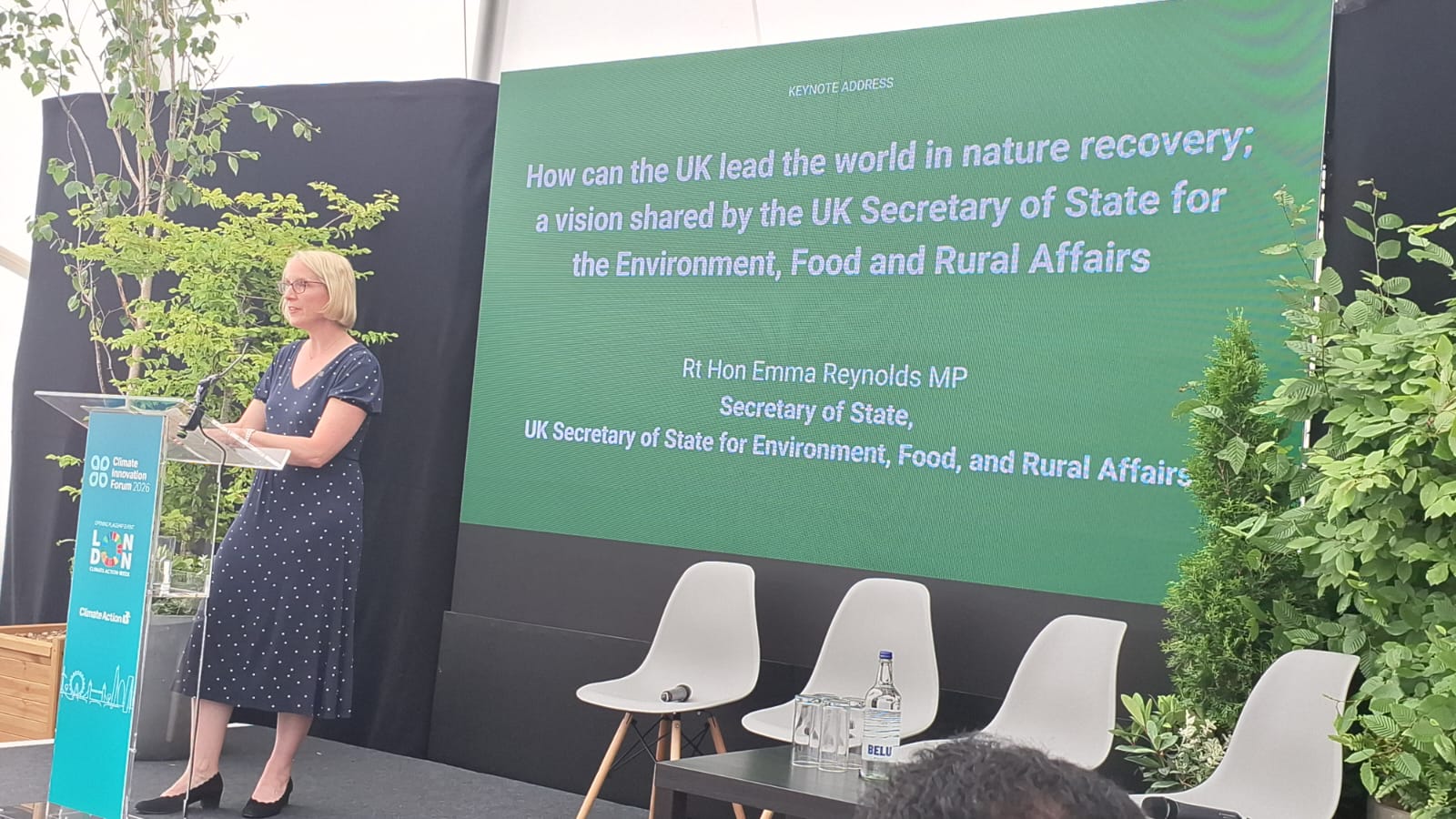
“When soils degrade, harvest shrink.The degradation of nature is not just an environmental problem, it is also an economic and security challenge. When we invest in protecting nature, we invest in our stability, our resilience and in our growth. But, the challenges I have described do not stop at national borders. Forests and oceans are pillars of global security, and their protection requires global action. Nature is not a sideshow to climate action.” Emma Reynolds MP, Minister of State at the UK Department for Energy Security and Net Zero
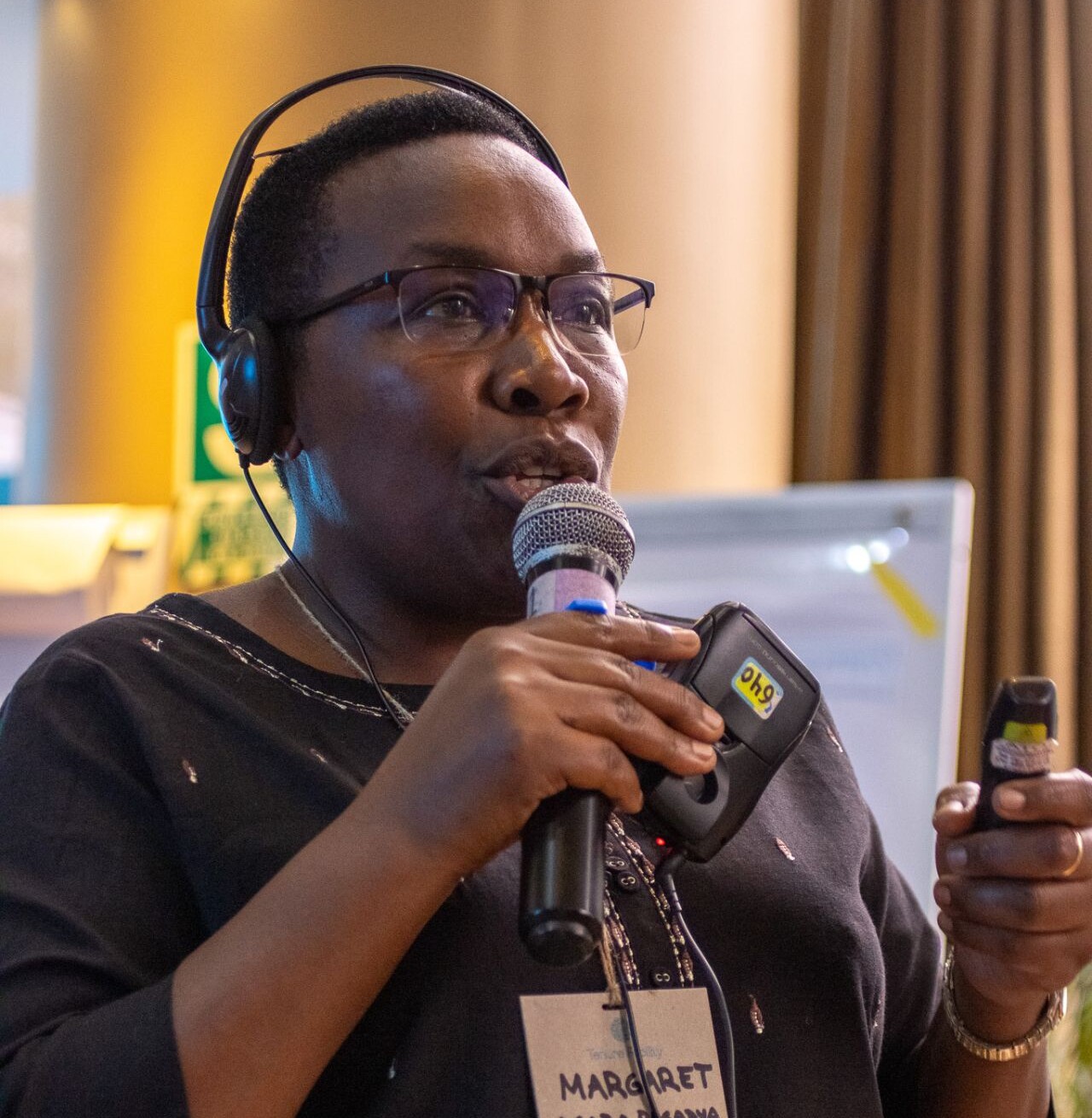
"We often ask, ‘What do communities need to protect forests?’ But perhaps the right question is: ‘What does it take to support the governance systems that are already doing this work, so that they become even stronger and can deliver benefits for even longer than those we have already experienced’?" - Margaret Rugadya, Chief Program Officer and African Regional Coordinator, The Tenure Facility. Photo: The International Land and Forest Tenure Facility
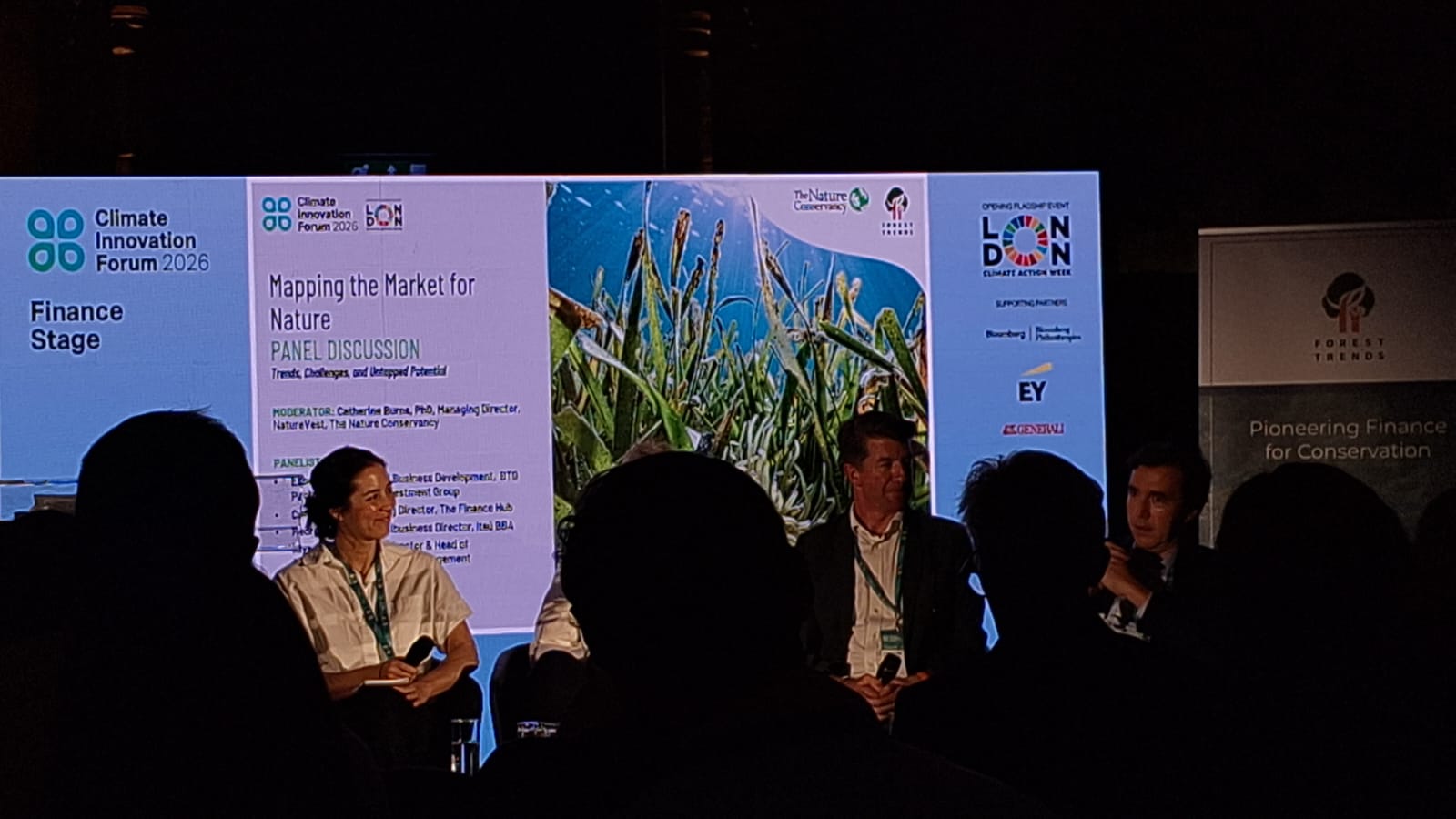
"If we want to achieve scale, we need to transform it into a commodity. Then we're able to trade it, we gain scale, the cost of MRV really comes down, and the financial incentives are distributed in a way that generates greater efficiency. I believe this is the way forward. We need to be able to provide really strong proof points that connect nature outcomes with productive commodity generation. We need to show that investing in nature actually delivers positive outcomes for your commodity—whatever that commodity may be." - Pedro Fernandes, Agribusiness Director, Itaú BBA
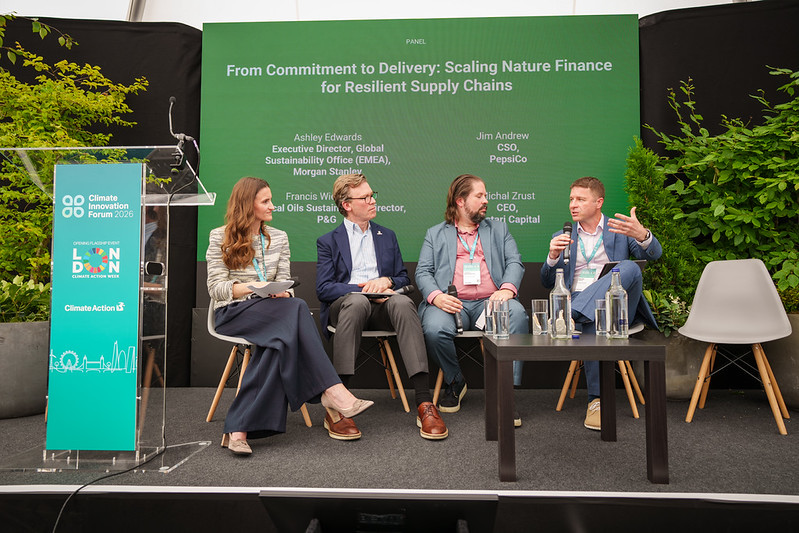
“If you think that more than half of global GDP is somehow dependent on ecosystem services for its survival, that represents significant business value at risk. For example, what is a company like Unilever's reliance on nature? Their investments in nature support the security of the palm oil supply chain. So, when you start to ask questions like, ‘Where are our projects located?’, you begin to get into a far more fertile discussion with finance, because we're saying that the money we're providing is actually helping to protect shareholder value into the future. I've been in multiple boardrooms during my career where boards would agonise over small percentage changes in the refinancing costs of their loans. Risk considerations are specific, well planned and well sourced. Nature is just not there yet, and that makes it extremely difficult to compare risks objectively.”- Michal Zrůst, Founder and Chief Executive Officer, Lestari Capital. Photo: Climate Innovation Forum.
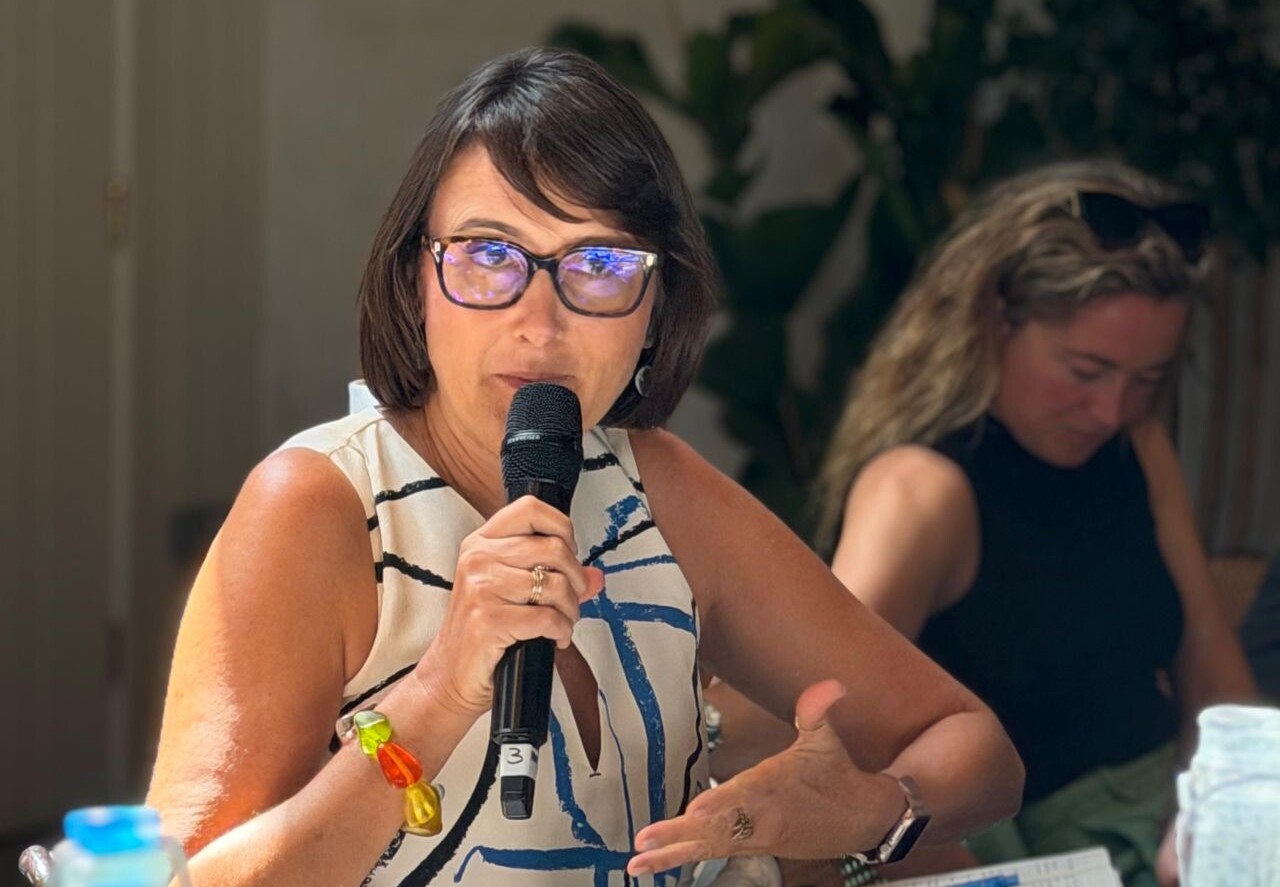
I have spent the week in rooms on carbon markets and nature finance, circling the same question: how do you keep carbon stored, and credible finance flowing to forests, grasslands, oceans, and the people protecting them, especially as fires and storms get worse? A year ago we were still asking whether these instruments work. This week it was how we scale the ones that do." - Jen Stebbing, CEO & Co-founder Sotora Global
The ‘Triple COP’ Agenda:
Meanwhile, heads of state and their negotiators did not forget that the coming months still promise a pivotal “triple COP” year—with climate negotiations taking place in Turkey, biodiversity discussions in Armenia, and desertification talks in Mongolia.
The COP30 Presidency, represented by the Brazilian delegation, arrived in London with a clear mission: to lead the forest agenda, mobilise more investment to turn the Tropical Forest Forever Facility’s (TFFF) $10 billion seed capital ambition into reality, and get support to bring the Roadmap to Halt and Reverse Deforestation and Forest Degradation to life in the coming months.
The next hosts, Turkey, appeared more focused on advancing negotiations around synergies between the three COPs. Meanwhile, Australia—COP31 co-host alongside Pacific nations—continued to champion the ocean agenda and used a reception in London to remind attendees that the Pacific Resilience Facility (PRF) deserves just as much attention on the nature stage and will be a priority conversation during COP31.
“We are not asking the world to save us; we are inviting the world to work with us,” made clear the President of the Republic of Palau during the reception at the Australian High Commission.
And what about adaptation?
Mirroring the severe delays on the London Underground, adaptation also struggled to gain momentum in many of the week’s discussions, with negotiators continuing to express frustration with the slow progress on adaptation indicators in Bonn. Signals from the future COP32 Presidency suggest that this agenda may only gain real momentum when Parties gather in Ethiopia next year.
The question that remains is: how long can we afford to wait?
Check our quote reels below to understand what was on in this topic:
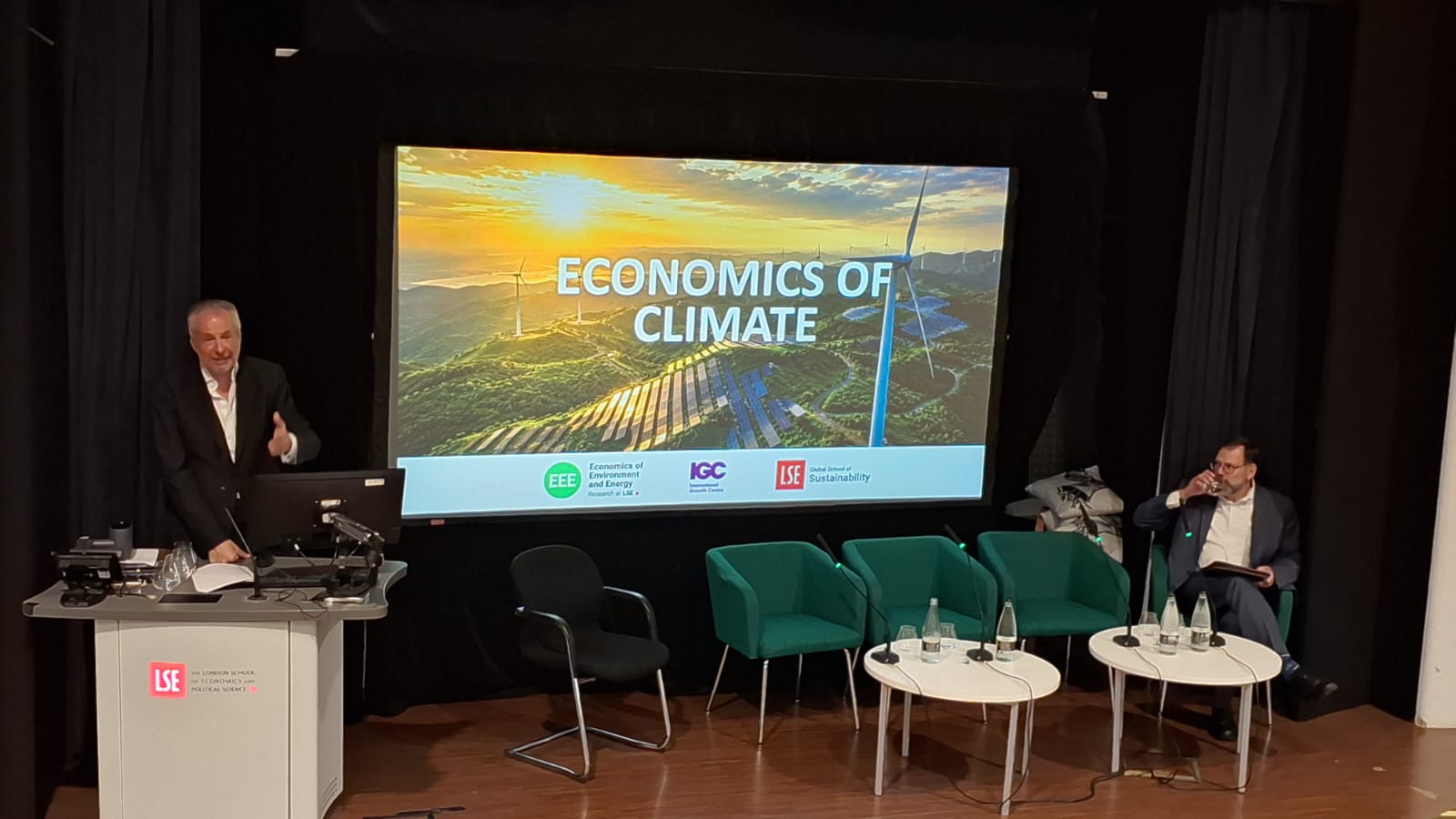
"At COP30, we got a decision that legitimised coalitions. I remember the first time we talked about coalitions, and I thought, ‘Argh, coalitions.’ But I don't say that anymore, because now it's official. Coalitions are legitimate, and coalitions may be exactly what we need. We don't have time to reach consensus on everything we need to do if we are serious about avoiding the worst effects of climate change. Another evolution that I believe began when we chaired the G20 years ago is the need for much greater involvement from ministries of finance. Today, we are formally launching the Economics of Climate Organisation (ECO), born from the recognition that policymakers need stronger economic evidence and closer engagement with researchers if they are to meet the climate challenge." - André Corrêa do Lago, COP30 President. Photo: Mariana Ceccon/Nature4Climate
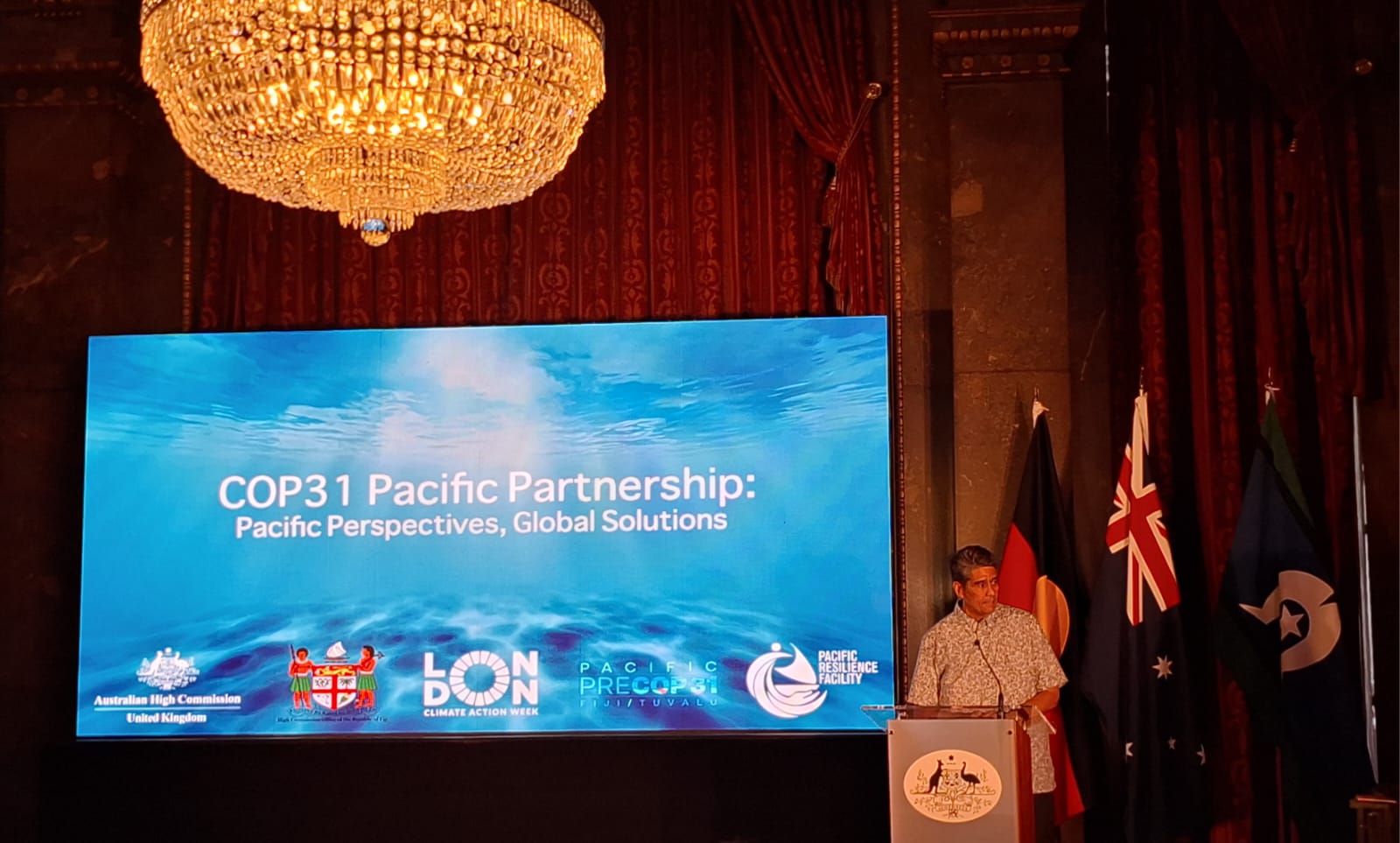
"Looking ahead to COP31, while the final outcome of the bidding process last year was not exactly what we would have liked, let there be no mistake: COP31 remains a Pacific COP. Australia's role is firmly grounded in the full political mandate of the leaders of the Pacific Islands Forum. We have agreed to carry forward a fiercely unified message centred on our core Pacific priorities.Let me be very direct about what the Pacific needs from our global partners: finance that is accessible, not trapped and suffocated by layers of red tape; direct investment in renewable energy and resilient infrastructure, particularly for the most remote and isolated islands; real, measurable action on the ocean-climate agenda, including the protection of the high seas and the strengthening of blue carbon ecosystems; and, fundamentally, partnerships that genuinely respect Pacific leadership rather than attempting to impose external priorities". - Surangel S. Whipps Jr., President of the Republic of Palau. Photo: Mariana Ceccon/Nature4Climate
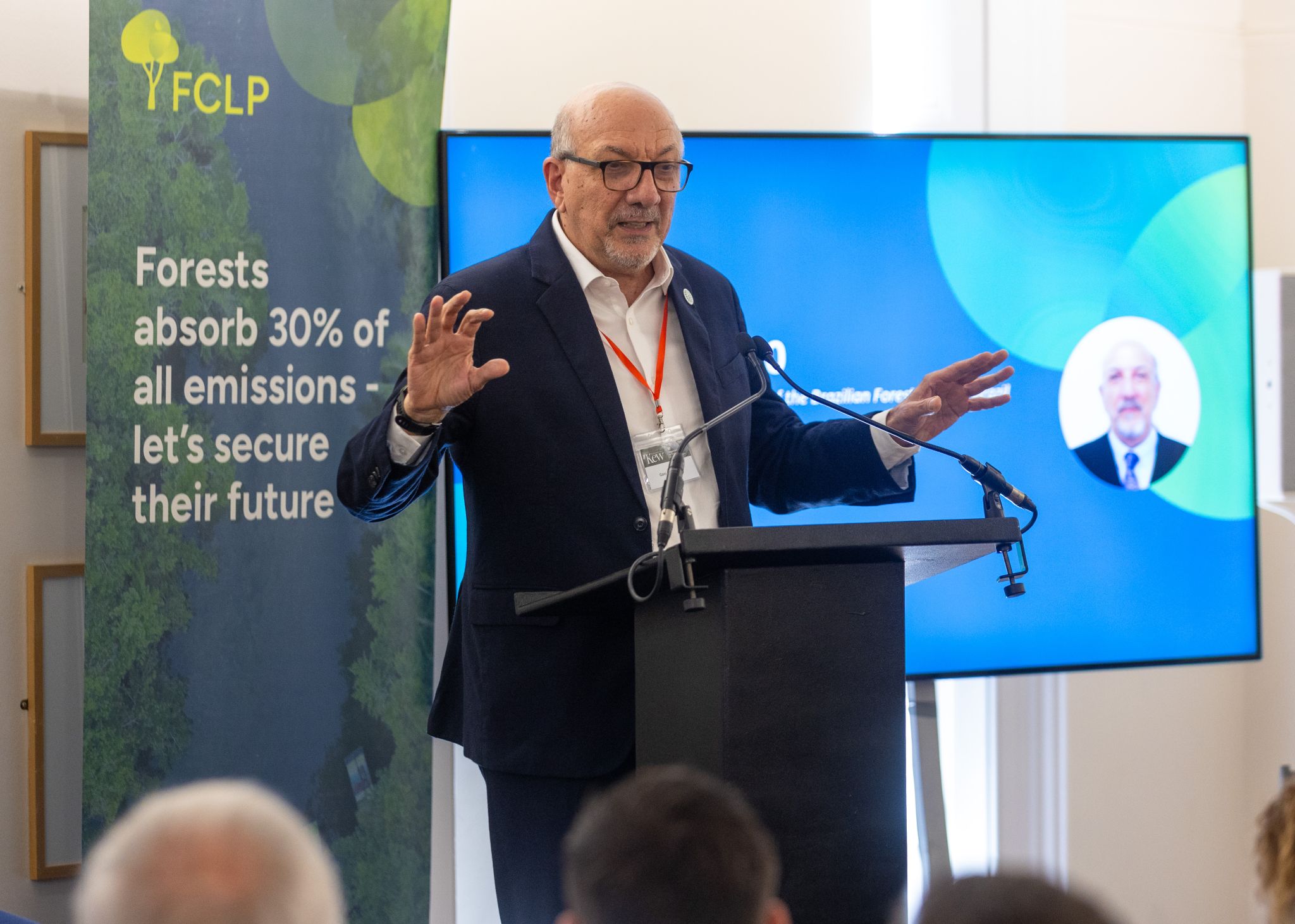
"When we say that we need a roadmap to end deforestation, people don't always understand what we're trying to say, which is that we need a roadmap to value standing forests. That's what this is really about. Standing forests have to have value. Ending deforestation is often interpreted simply as increasing command-and-control measures. We stop illegal activities, we arrest people. Yes, that needs to be done as well, because illegality should not happen. But if we value standing forests, then half the job is already done. So, we need to find roadmaps not just for countries, but for the biomes within those countries, so that we can address the drivers, change the economics, and bring in the necessary financing. The TFFF is one way, REDD+ is another, but we also have to start changing the subsidy systems that support those drivers rather than helping to stop them."- Garo Batmanian, General Director of the Brazilian Forest Service. Photo: FCLP
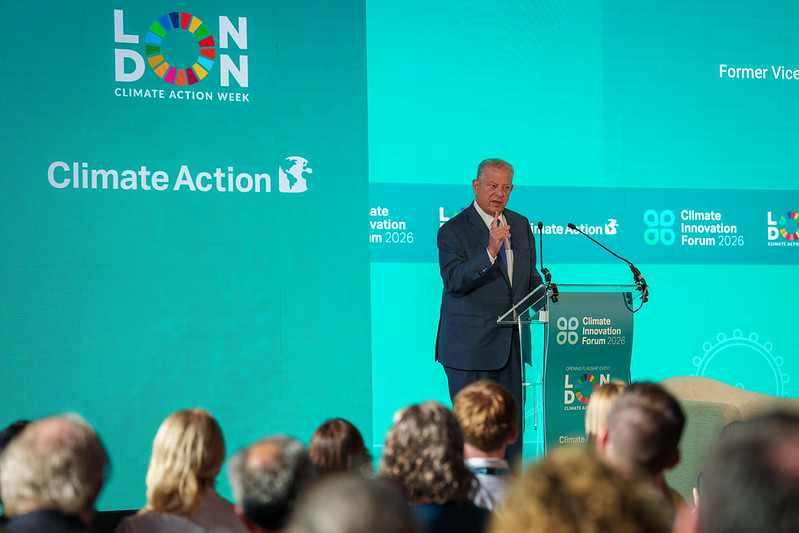
"We face great challenges, but also incredible opportunities. The decisions we make here will have a profound impact on the world we find ourselves in 10 years from now. And if you ever doubt that we, as human beings, have the capacity to build the political will necessary to solve this crisis, please always remember that political will is itself a renewable resource”. - Al Gore, former Vice President of the United States. Photo: Climate Innovation Forum.
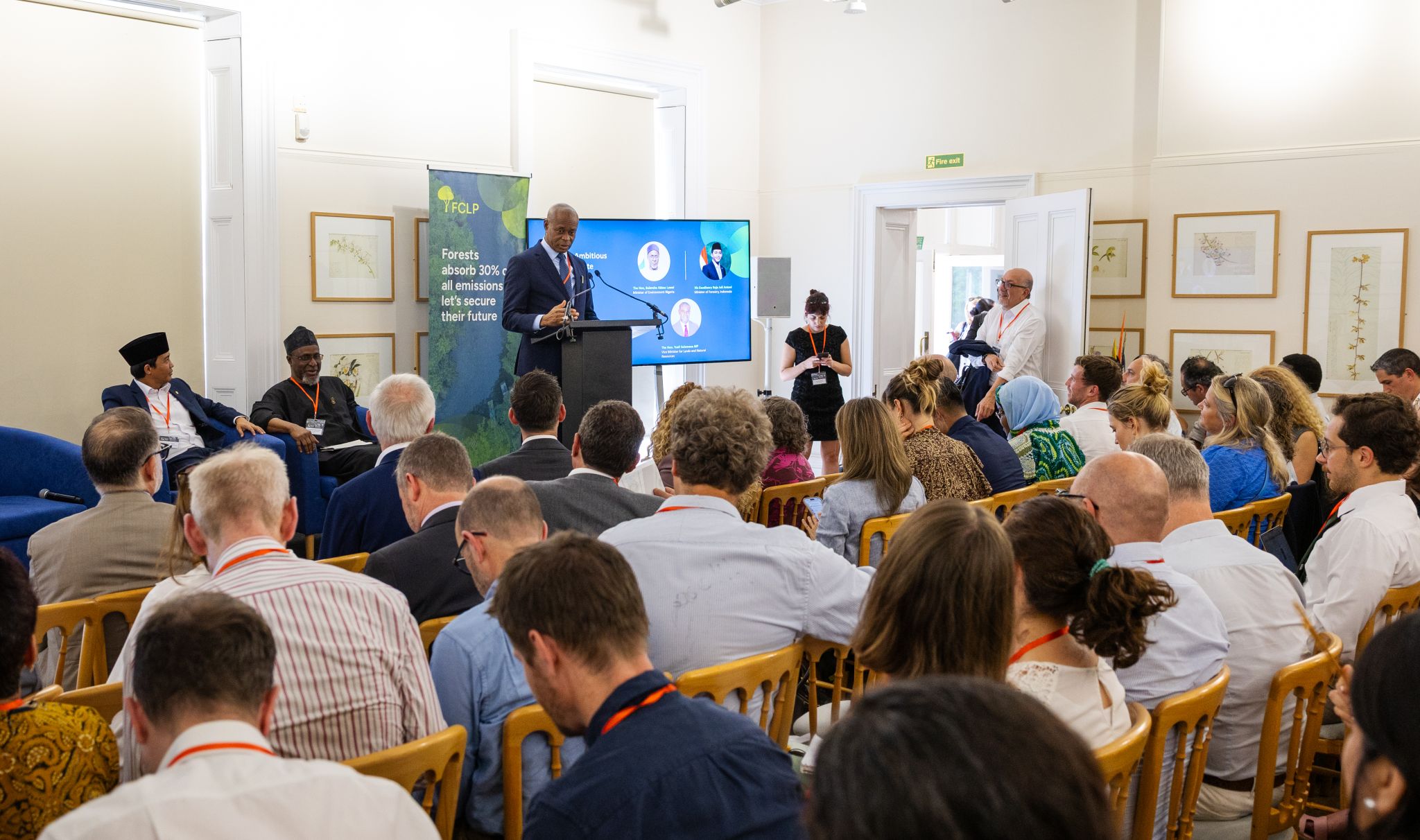
“Ghana has now advanced into the next generation of forest carbon programmes: jurisdictional REDD+ under Article 6 of the Paris Agreement. We have established a national framework that integrates emissions accounting, safeguards, benefit sharing and host-country authorisation.This has enabled us to conclude four bilateral cooperation agreements with Switzerland, Sweden, Singapore and South Korea. We now intend to move from millions to billions in forest finance. To achieve it there are three things we need. First, we need clarity and alignment across the Rio Conventions so that countries implementing jurisdictional programmes are not navigating conflicting rules or duplicating requirements. Second, we need strong international recognition of high-integrity jurisdictional credits, including clear pathways for their use by both companies and countries. Without that recognition, demand will remain uncertain and investment will remain low. Third, we need a global push for fair and sustainable pricing. Forest countries cannot deliver high-quality mitigation at scale if carbon prices remain disconnected from the true cost of protecting and restoring forests. There needs to be a balance between the cost of protection and the value generated from that effort. That balance will help ensure fair value for communities, governments and long-term climate ambition. Ghana stands ready to work with the COP30, COP31 and COP32 presidencies to advance these priorities." - Hon. Yusif Sulemana, Deputy Minister for Lands and Natural Resources of Ghana. Photo: FCLP
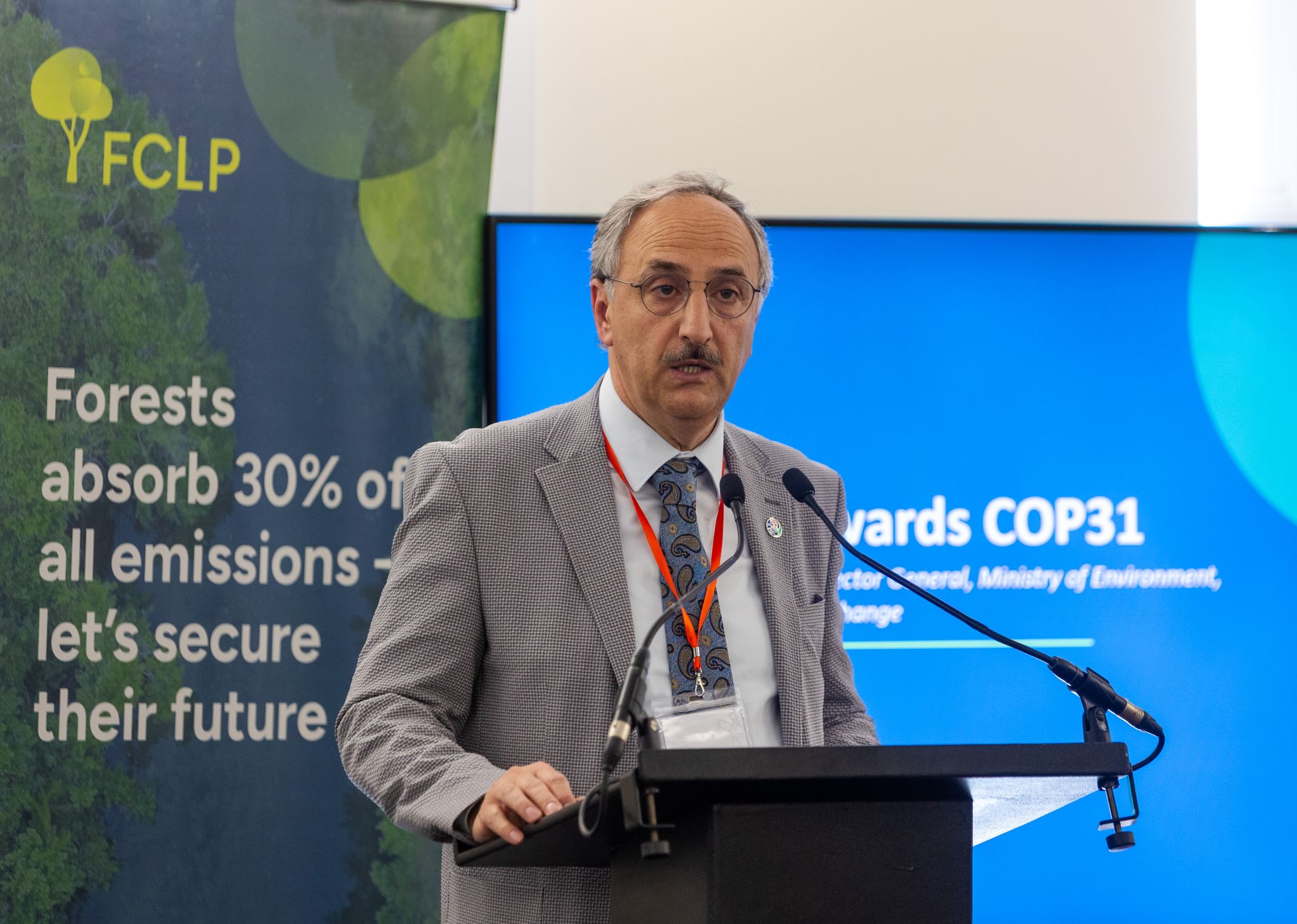
"As the COP31 Presidency, we are focusing on four priorities under the framework of the Rio Conventions. First, the integration of fire management and ecosystem restoration. Second, the consideration of carbon sinks together with sustainable land management. Third, placing biodiversity at the centre of climate adaptation policies. Fourth, strengthening coordination among the Rio Conventions at the implementation level. Addressing climate change, biodiversity loss and land degradation as mutually reinforcing challenges is one of the fundamental prerequisites for achieving the 2030 targets" - Kasım Yenigün, Director General for Combating Desertification and Erosion at the Ministry of Environment, Urbanization and Climate Change of Türkiye. Photo: FCLP
Must-See Announcements:
Norway’s International Climate and Forest Initiative (NICFI) announced a new investment of 90 million Norwegian kroner (approximately US$9.5 million) to support the next phase of FAO’s SEPAL programme through 2030. The funding will help countries improve forest monitoring, increase transparency and unlock climate and nature finance for forest protection and restoration.
Peru became the 16th government to endorse the ILTC, while Brazil unveiled its first implementation roadmap and new measures to strengthen tenure rights across 63 million hectares. Norway also announced new funding to support the rights, livelihoods and forest stewardship efforts of Indigenous Peoples, Peoples of African Descent and local communities. The ILTC aims to strengthen land and forest tenure rights across 160 million hectares globally by 2030.
Researchers from LSE, Columbia University, MIT, Yale University, the University of Chicago and PUC-Rio formally launched the Economics of Climate (ECO), a new platform designed to provide policymakers with stronger economic evidence and closer engagement with researchers on climate action, adaptation, energy, deforestation, carbon markets and climate finance.
How to Live on Earth, a new feature documentary narrated by Benedict Cumberbatch, was pre-launched during LCAW. The film explores humanity’s relationship with nature and highlights nature-based solutions from around the world. It was released in select cinemas in m 26 June and globally will be available on YouTube later this year.
The London School of Economics’ Grantham Research Institute released Too Big to Fail: Critical Natural Systems as Macro-Critical Infrastructure, finding that more than US$1 trillion of annual GDP across Europe, China and the United States depends on rainfall generated by forest ecosystems. The report argues for treating critical natural systems as essential infrastructure.
The Nature Conservancy and Forest Trends released Gaining Ground: State of Private Investment in Nature 2026, showing that more than US$60 billion has been invested in nature over the past decade. Annual investments increased fivefold between 2016 and 2025, reaching more than US$14 billion last year alone, with over US$180 billion already earmarked for future allocation.
Climate Policy Initiative (CPI) launched the Global Landscape of Climate Finance 2026, showing that annual climate finance flows have reached US$2 trillion. The report also highlights ongoing gaps in adaptation financing and the need to increase investment in the world’s most climate-vulnerable regions.
The World Business Council for Sustainable Development (WBCSD) launched the Business Breakthrough Barometer 2026, providing new insights into how leading companies are responding to climate risks, investment opportunities and the conditions needed to accelerate progress across energy, transport, industry, buildings and food systems.
Rainforest Foundation Norway, the Interfaith Rainforest Initiative and UNEP unveiled the Tropical Deforestation Outlook, a new global assessment examining future deforestation risks and opportunities under different policy and market scenarios.
Ceres launched Working Across Landscapes: An Investor Guide to Managing Nature Risk at Scale, outlining how companies and investors can work through landscape initiatives to reduce nature-related business risks, strengthen supply-chain resilience and accelerate corporate action.