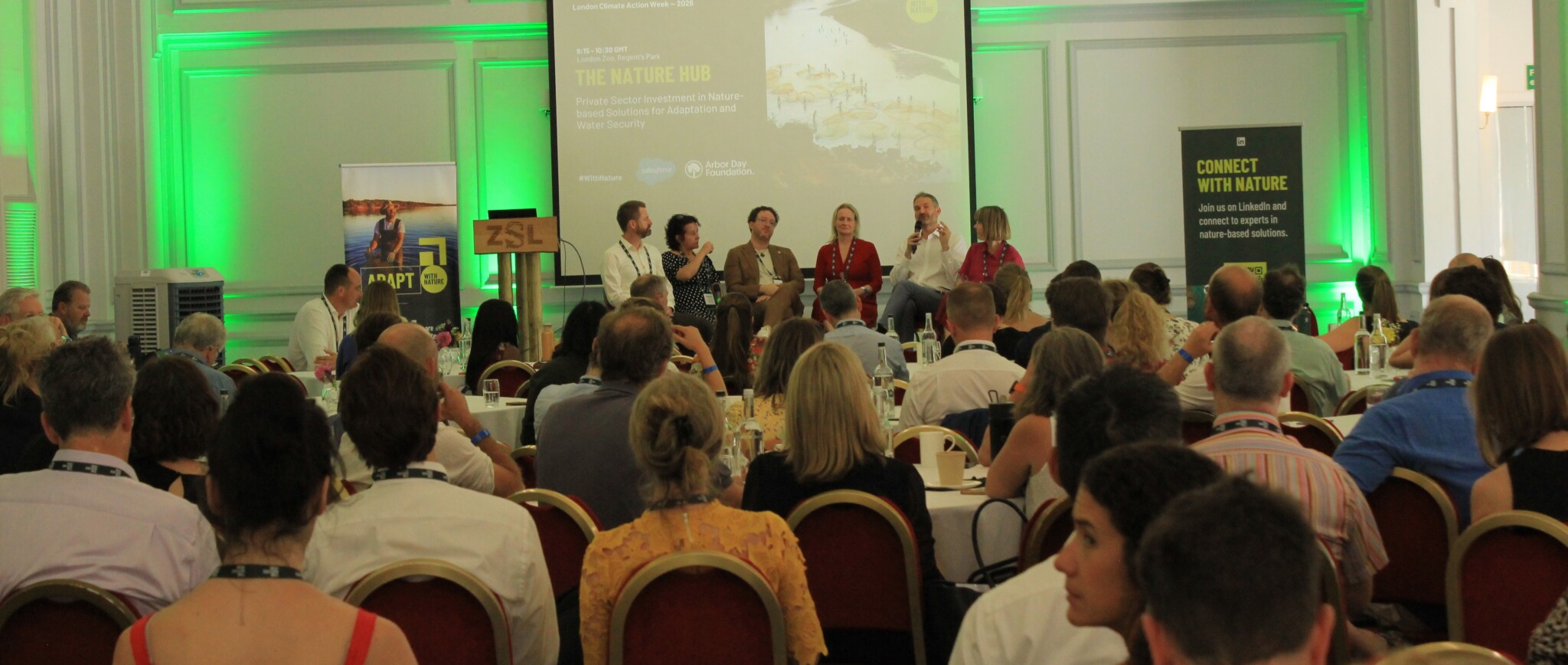
Photos: Mariana Ceccon/Nature4Climate
From supply chain disruptions and climate volatility to growing regulatory expectations, the costs of ecosystem degradation are becoming increasingly material across the global economy. At the same time, a new generation of opportunities is emerging through investments that restore landscapes, strengthen resilience, drive innovation, and create long-term value.
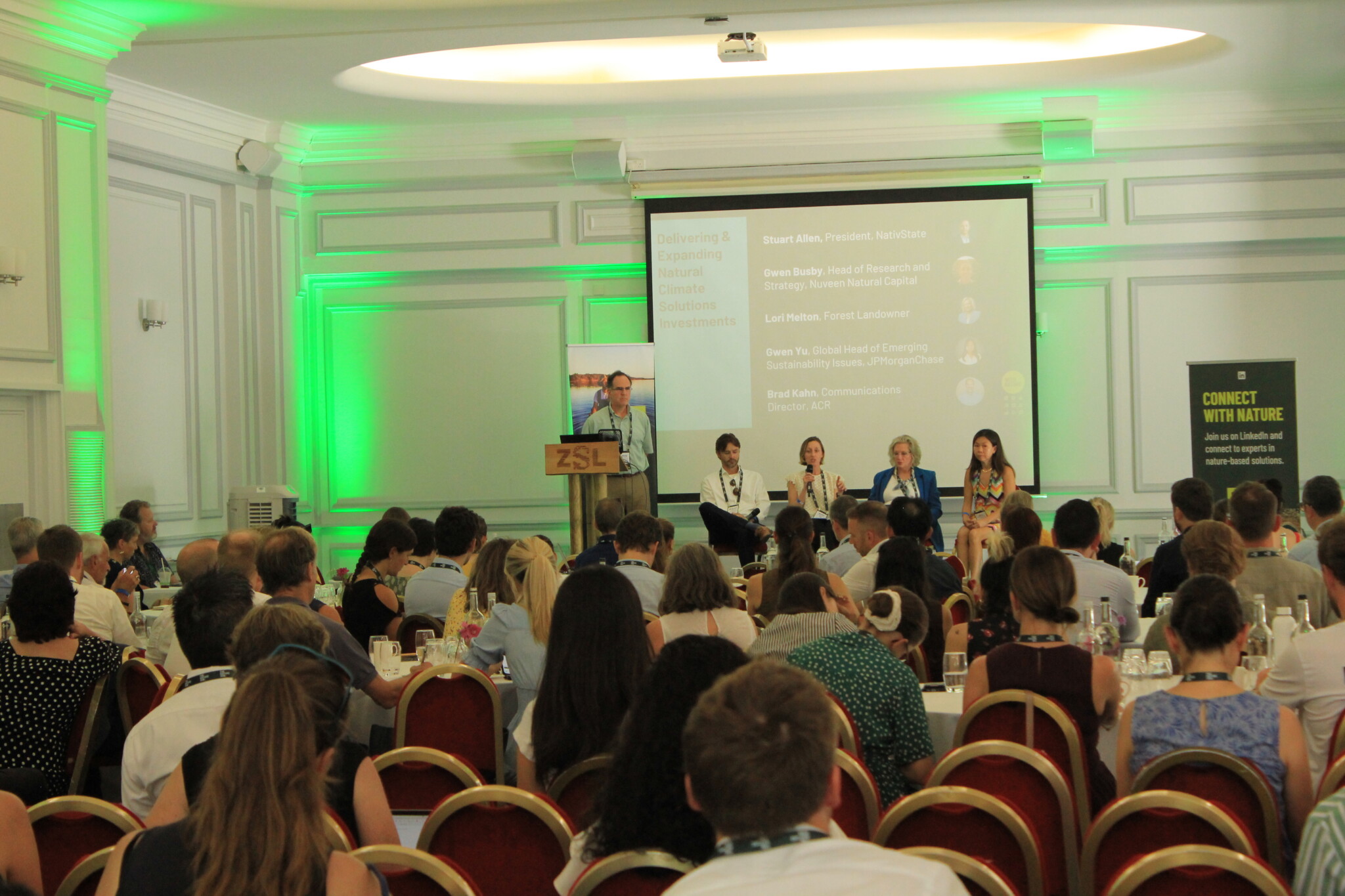
This tension — between mounting environmental risk and expanding economic opportunity — shaped conversations throughout the Nature Hub @London Climate Action Week 2026, which brought together more than 350 leaders from business, finance, government, and civil society at London Zoo on 25 June.
Across the flagship programme, a clear message emerged: climate resilience, biodiversity protection, and economic stability can no longer be treated as separate agendas. Instead, they are becoming increasingly intertwined, prompting a shift in how decision-makers think about growth, risk, and investment. Nature is no longer being viewed solely as an environmental concern, but as a strategic economic asset.
Against this backdrop, Nature4Climate and its partners convened seven plenary sessions, three networking walks, and six closed-door roundtables throughout the day. Discussions explored how businesses, investors, and policymakers can accelerate action by scaling investment in natural climate solutions, advancing deforestation-free economies, strengthening resilience strategies, improving integrity across carbon markets, and fostering greater collaboration between nature- and technology-based approaches.
A recurring theme throughout the programme was that no single financial mechanism can deliver the transition alone. Instead, speakers highlighted the need for a diversified portfolio of solutions — from blended finance and carbon markets to public investment, direct community financing, and emerging financial instruments — to unlock capital, spread risk, and generate resilient returns.
Meanwhile, carbon markets are entering a new phase of maturity. After years spent designing frameworks and debating rules, attention is increasingly focused on integrity, durability, permanence, and long-term market confidence. Conversations centred on how carbon markets can credibly manage reversal risk while mobilising investment at the scale required for climate action.
As attention turns to a pivotal “triple COP” year, with climate negotiations in Turkey, biodiversity talks in Armenia, and desertification discussions in Mongolia, the question is no longer whether investing in nature makes economic sense. What is missing is not ambition or frameworks. The challenge now is how quickly and effectively these solutions can be deployed at the scale needed to support resilient economies in a rapidly changing world.
Here are 13 hub insights that captured where the nature conversation stands today:
Voices from the Nature Hub:
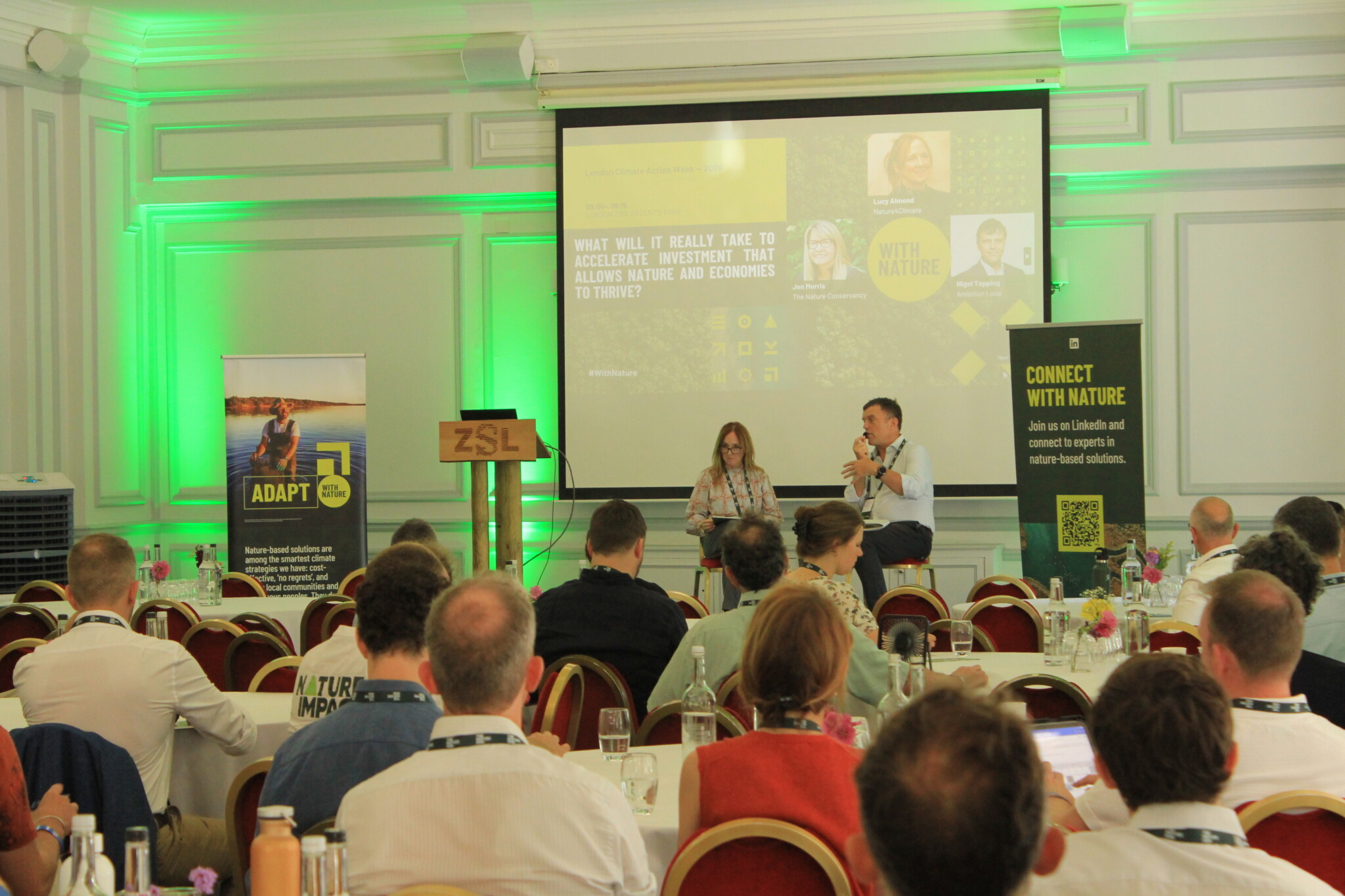
Nigel Topping, UK's High-Level Climate Action Champion (COP26): "Rather than asking, 'How big is the gap?', I'd ask: 'How fast do we need to grow the deployment of private capital, and what would it take to double it twice over the next five years?' We're still not framing the conversation in a way that truly invites private finance to be a problem-solving partner. If we want billions of dollars to flow into climate solutions, we need to celebrate the role of private capital and private profit when it enables large-scale restoration projects that support communities, create jobs, and deliver real outcomes."
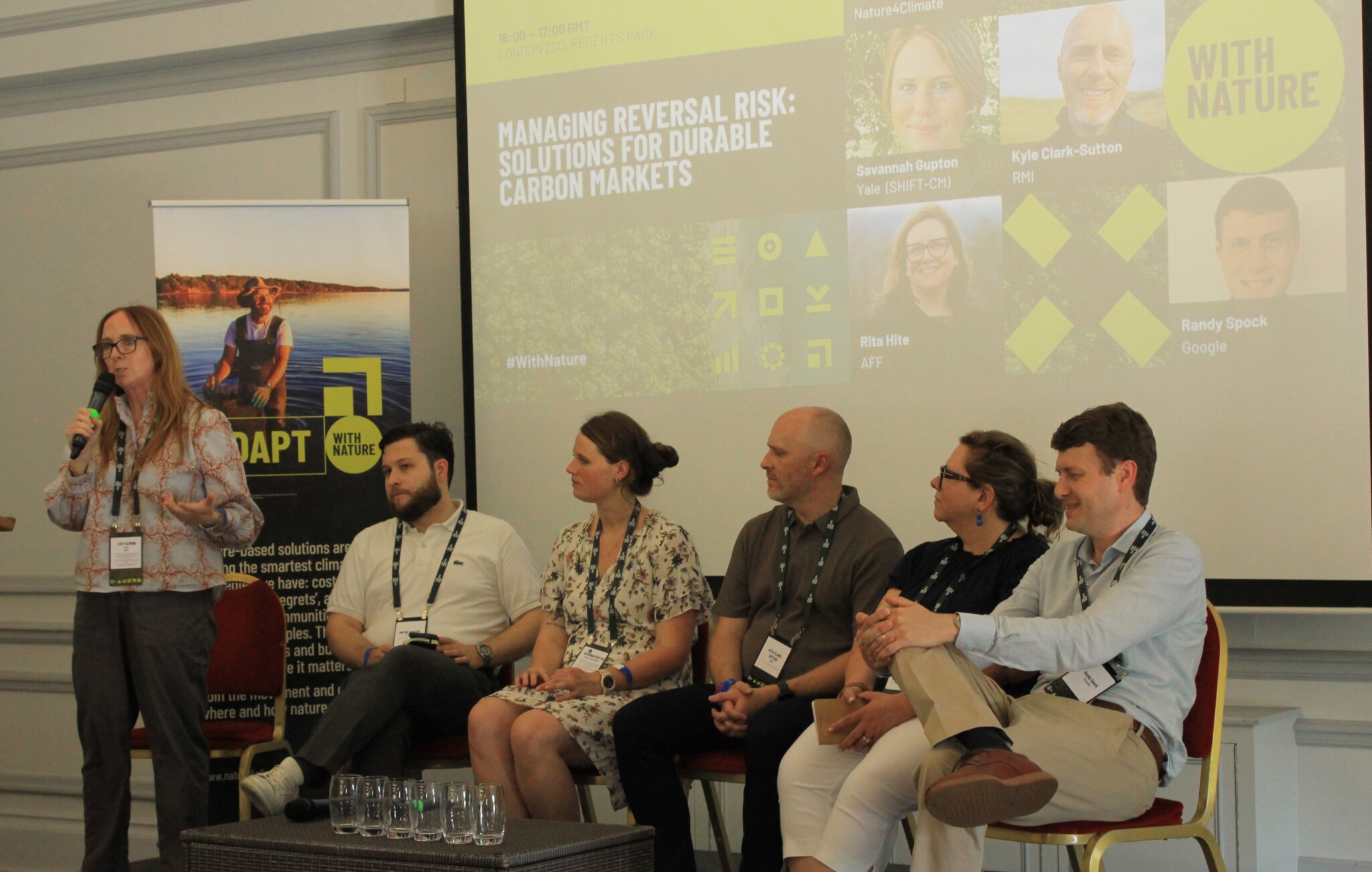
Lucy Almond, Chair, Nature4Climate: "There is still a financing gap, but there is also a systems gap. So the real question is: why isn't it reaching the speed and scale required? Increasingly, the answer comes down to fundamentals such as weak demand signals, fragmented standards, and the challenge of connecting nature to the real economy. If we want to unlock this next phase, we need to focus on those system-level issues, and that's what the Nature Hub is actually about."
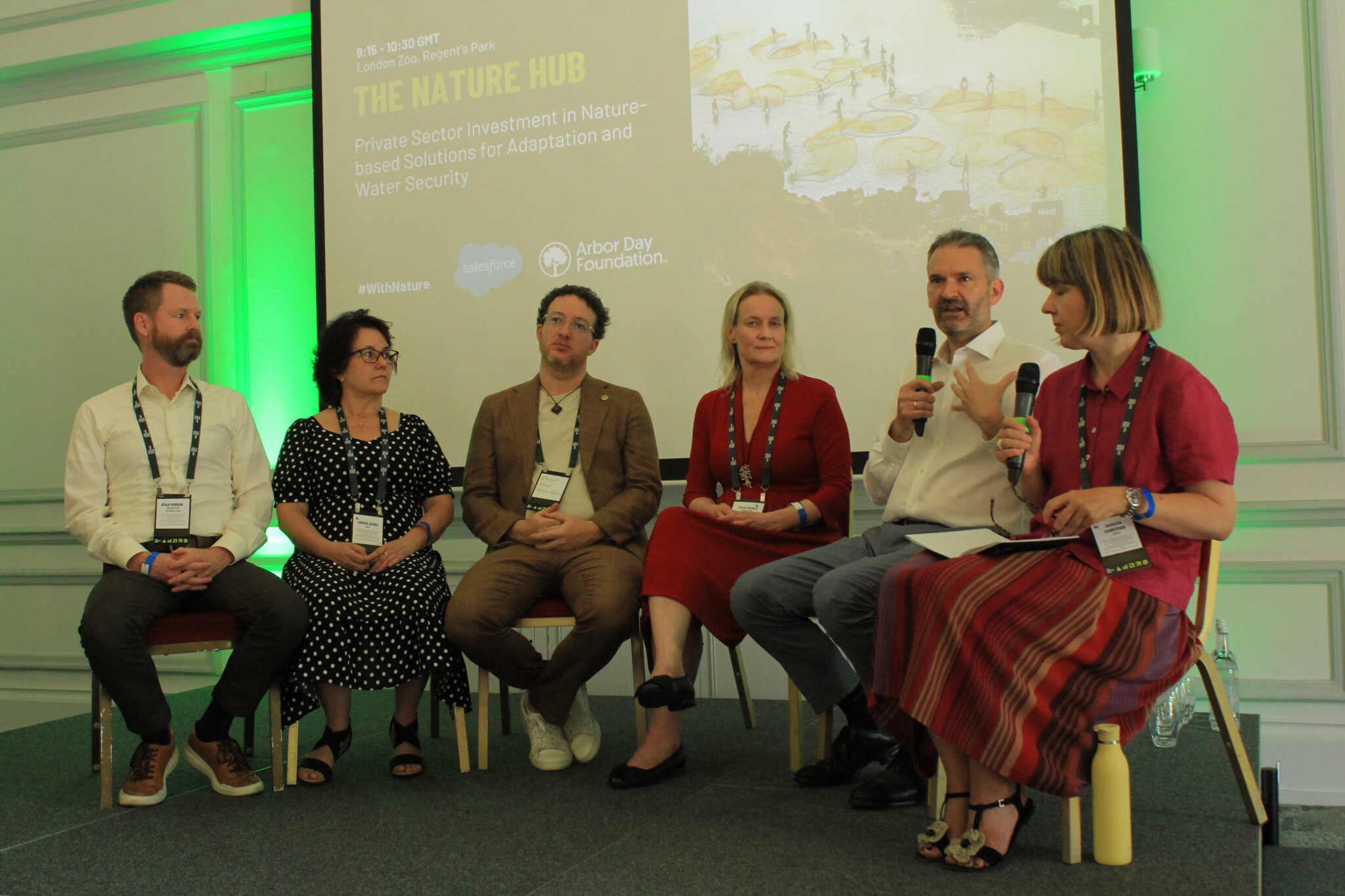
Tim Christophersen, Vice President, Climate Action, Salesforce: "As a technology company, we are highly dependent on water, and I don't think there's any company in the world that isn't. The shift from making commitments out of a sense of obligation to making nature investments that are materially relevant to the business is an important one, because it means those investments become embedded in core spending. One of the collective mindset shifts we need is to start thinking about nature as infrastructure. Nature is our home and it is about balance, but it is also infrastructure — and that framing resonates with finance ministries, planners, and CFOs alike."
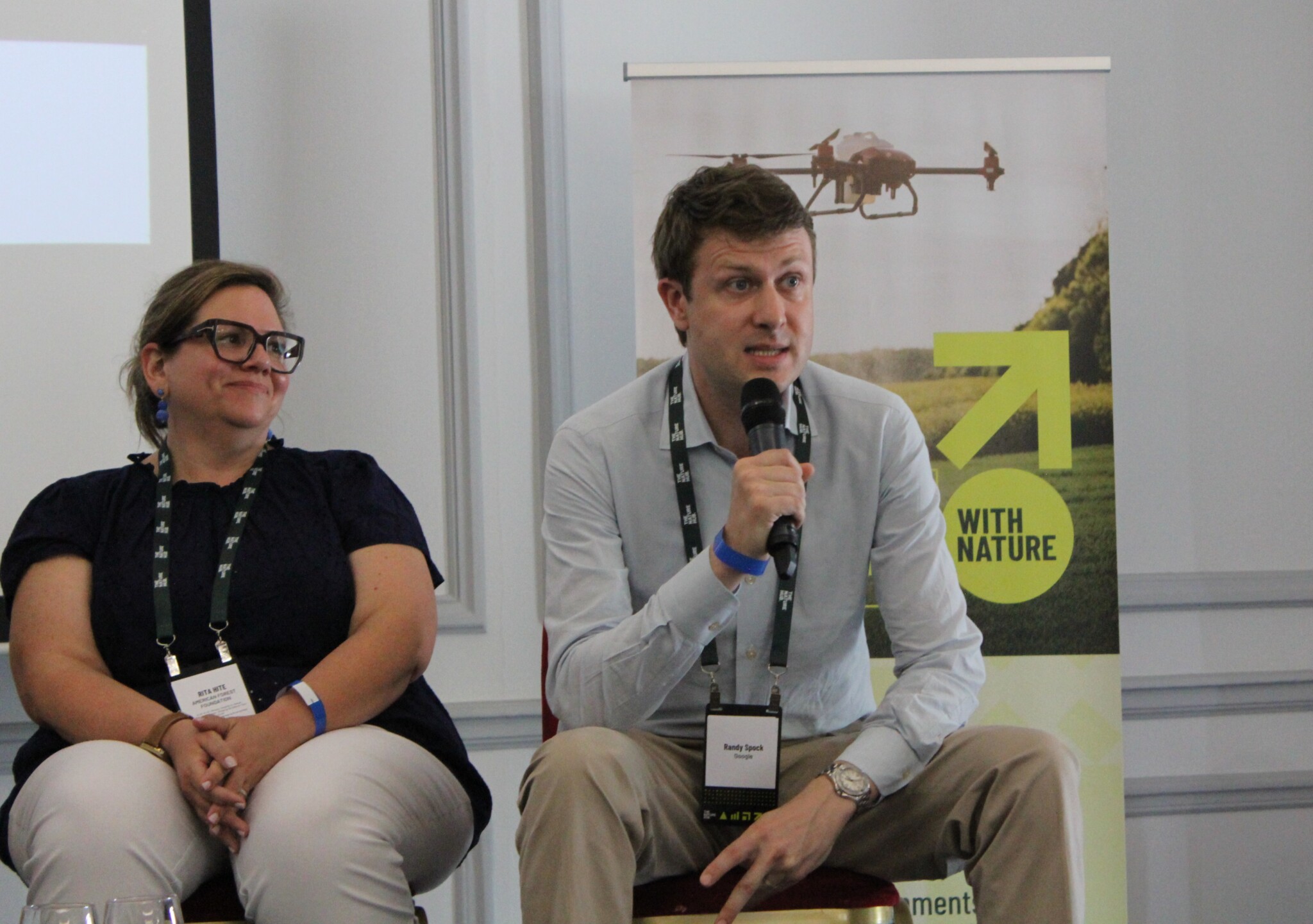
Randy Spock, Head of Carbon Removal, Google: "What the atmosphere needs is high-durability carbon removal. We need breakthrough technologies that can remove and permanently store carbon at scale. But we also need those solutions to complement everything nature can offer. We will need as much carbon removal capacity as possible, and we should make full use of the most proven, scalable and lowest-risk carbon removal technology we already have: photosynthesis."
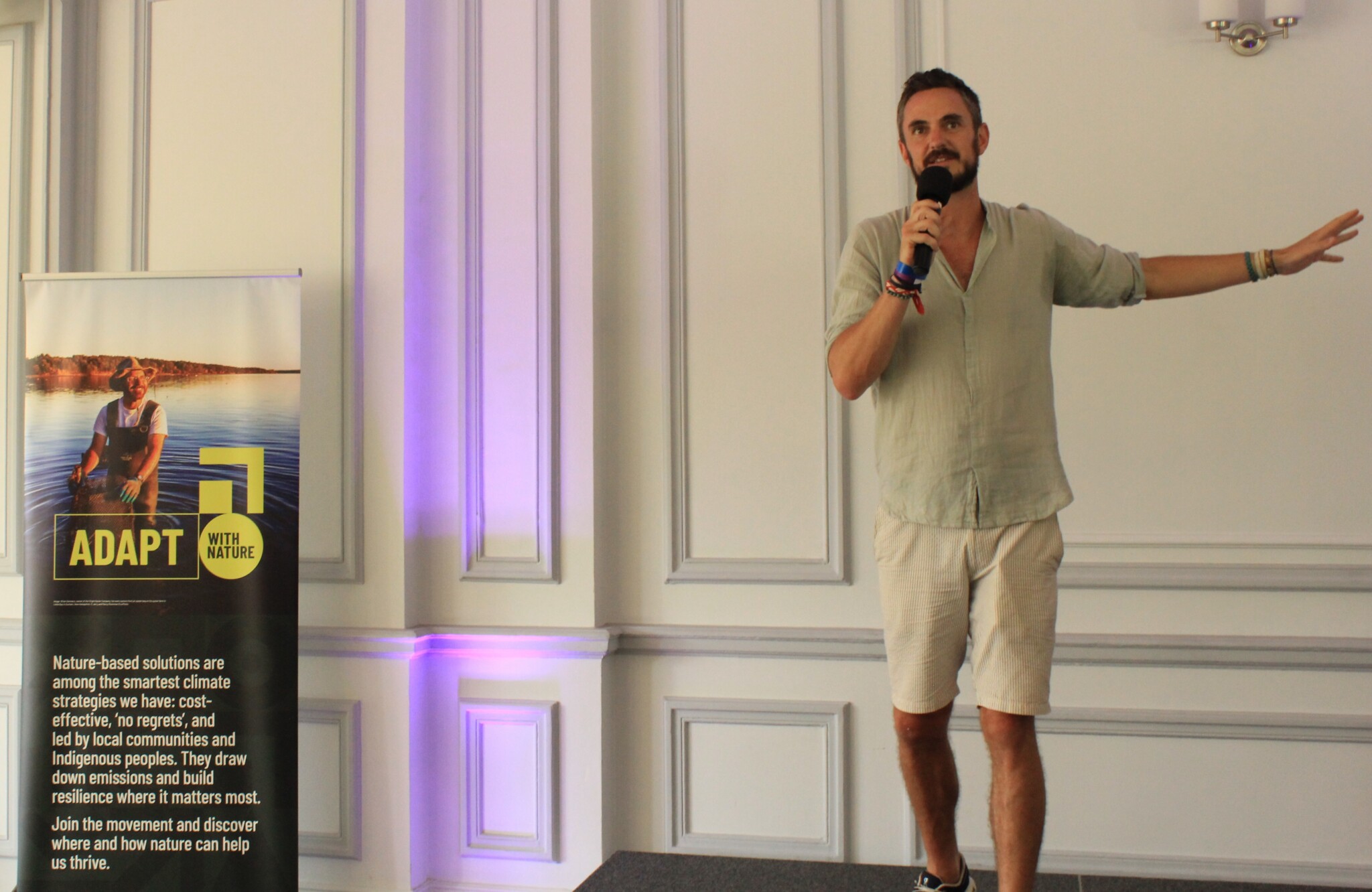
Tom Crowther, Founder, Restor.eco, and Founding Chair of the Board, UN Decade on Ecosystem Restoration: "Ten years ago, nature was barely part of the climate conversation. Today, the discussion is increasingly about how we can build a bright, optimistic environmental future where nature and people thrive together. The science and evidence now provide a foundation that allows us to build excitement and momentum around these opportunities. That's how we build climate resilience, and that's the incredible achievement of this community."
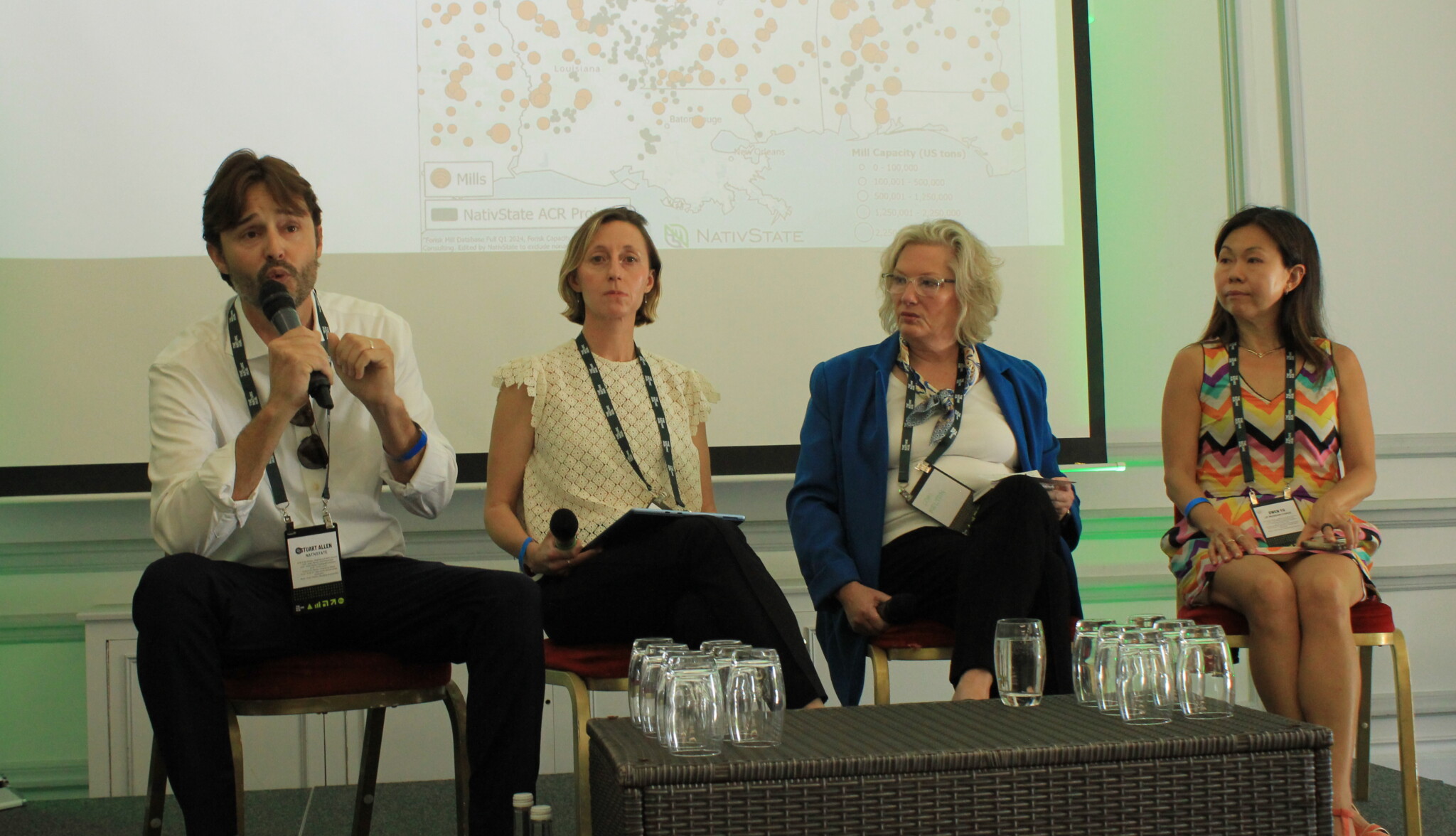
Stuart Allen, Founder, NativState: "I don't care what the question is — trees are obviously the answer. If we don't get the next 10 or 20 years right, does permanence 100 years from now really matter? We need to be very smart about where we put the dollars today."
Gwen Busby, Global Head of Research and Strategy, Nuveen Natural Capital: "Around $180 billion is expected to be invested in nature over the next few years, raising a very tangible question about where those dollars will be put to work. Agriculture represents one of the greatest opportunities. Less than 5% of U.S. farmland is currently certified regenerative or organic, while less than 7% of nature-based carbon credits have come from agricultural land management projects. The potential for growth — and impact — is enormous."
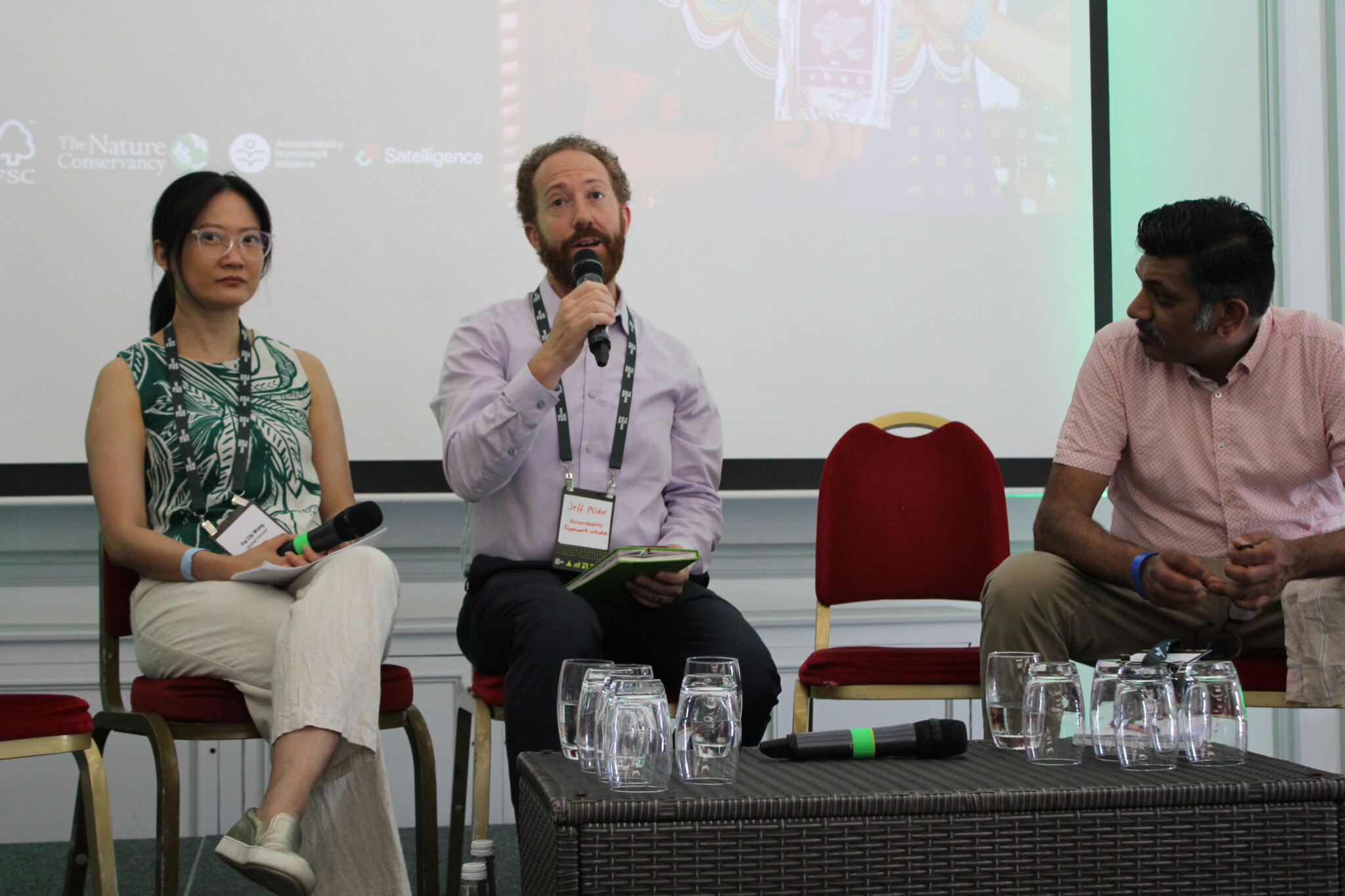
Jeff Milder, Director, Accountability Framework Initiative: "The private sector has a crucial role to play in delivering the global roadmap to halt deforestation. This is not simply about switching suppliers or complying with regulations. It is about building resilient supply chains, engaging producers, managing landscape-level risks, and securing the future supply of critical commodities."
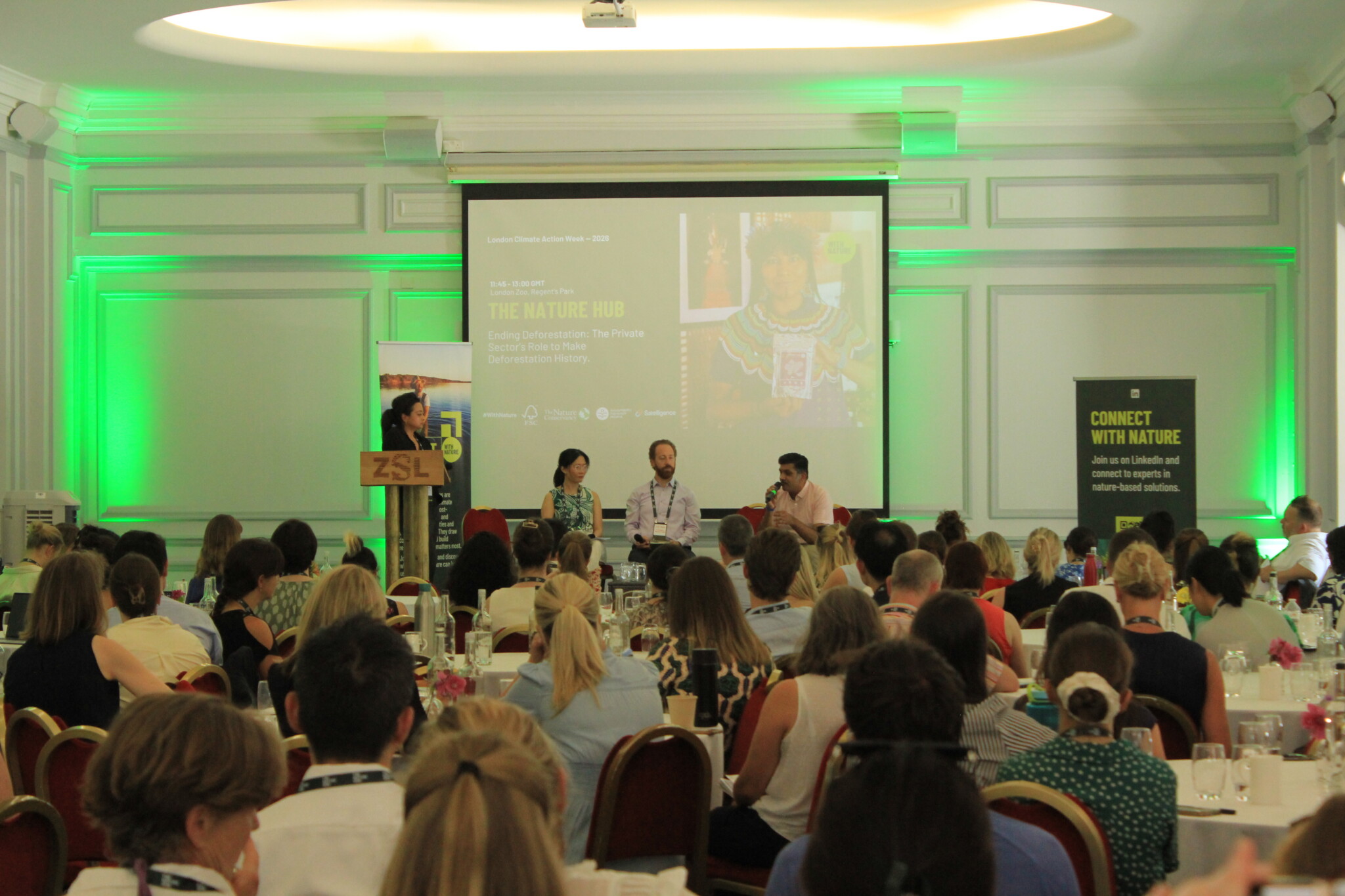
Anand Punja, Director of Stakeholder Relations, FSC: "Don't ask for more subsidies — repurpose them. Any subsidy driving the destruction of nature should be protecting it instead. We now have the tools to map commodity production globally and identify where agricultural expansion overlaps with deforestation frontiers, allowing companies to become much more proactive in addressing risk."
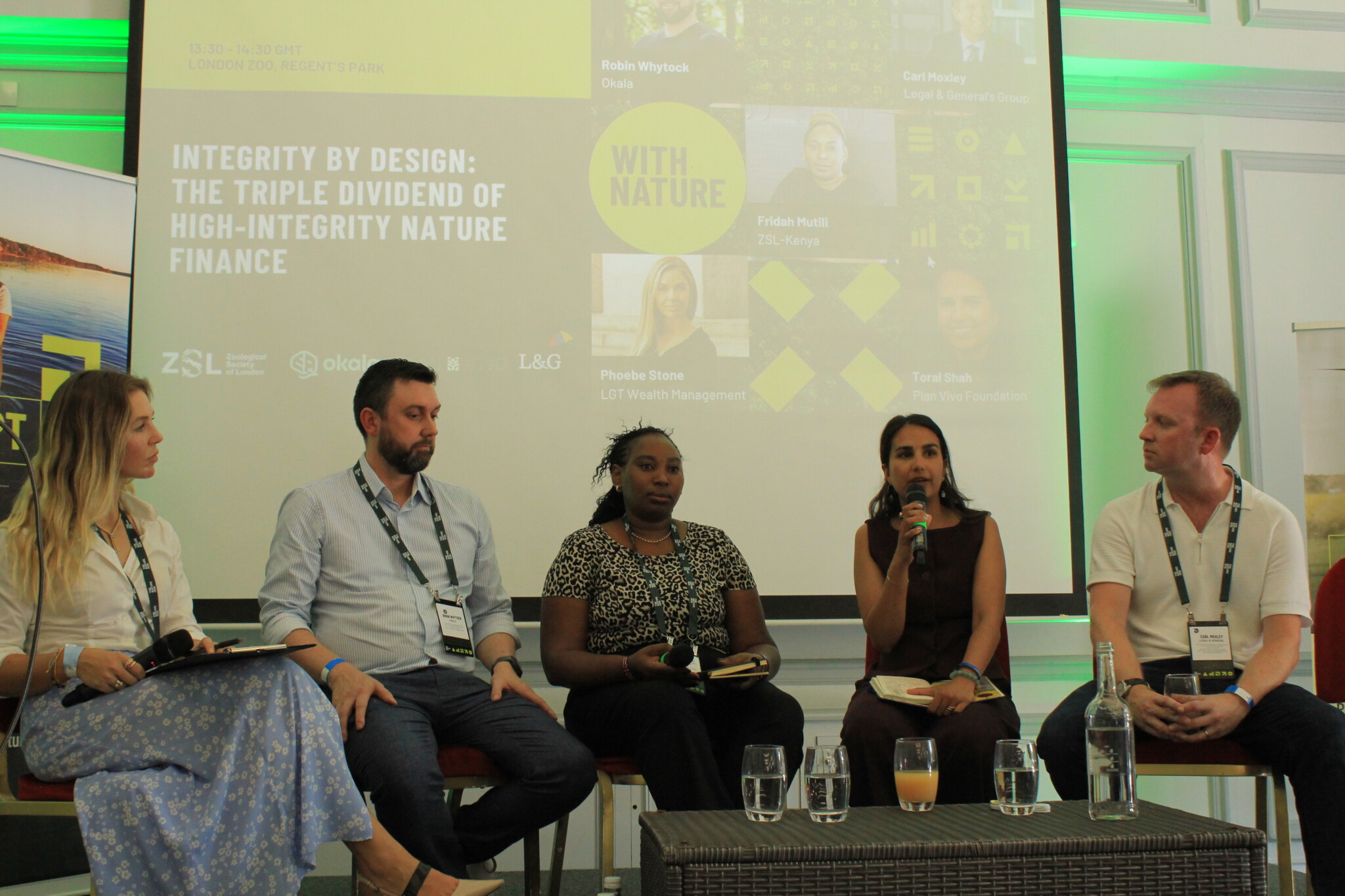
Toral Shah, Nature Lead, Plan Vivo Foundation: "Building robust and durable projects starts with getting the design right from the beginning. That means combining strong methodologies, community engagement, scientific rigour and long-term planning. Trust takes time to build, but without it, it is difficult to create the governance mechanisms and partnerships needed for durable outcomes. Integrity is not created overnight — it is built over time on strong foundations."
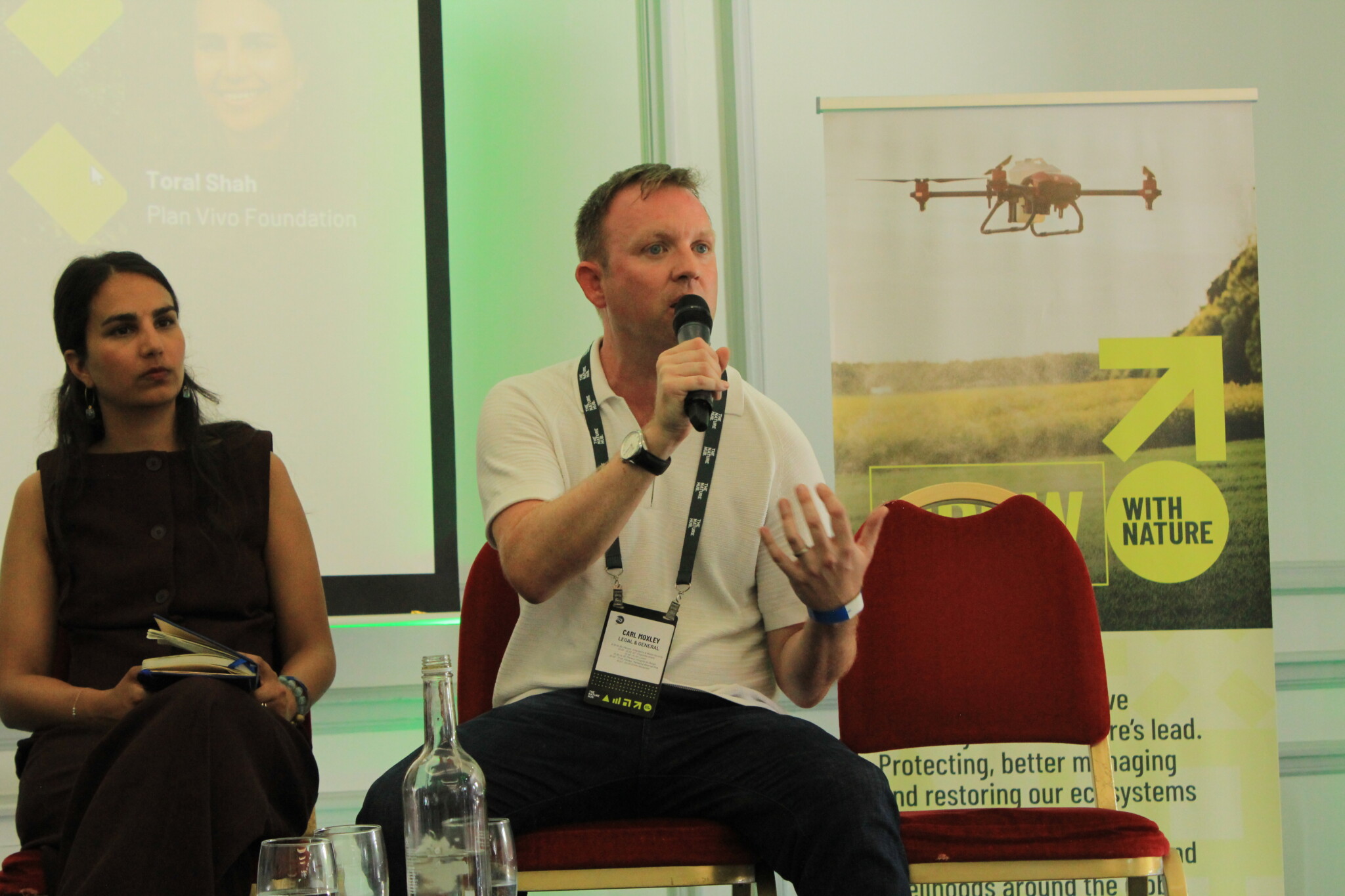
Carl Moxley, Group Climate Director, Legal & General: "Nature-based projects are, by definition, long-term projects. Pension capital should be well suited to natural climate solutions because the time horizons align. The challenge is understanding and quantifying project risk over decades. While there is no quick fix, debt-for-nature swaps and other innovative financial structures are beginning to demonstrate promising pathways for institutional investment."
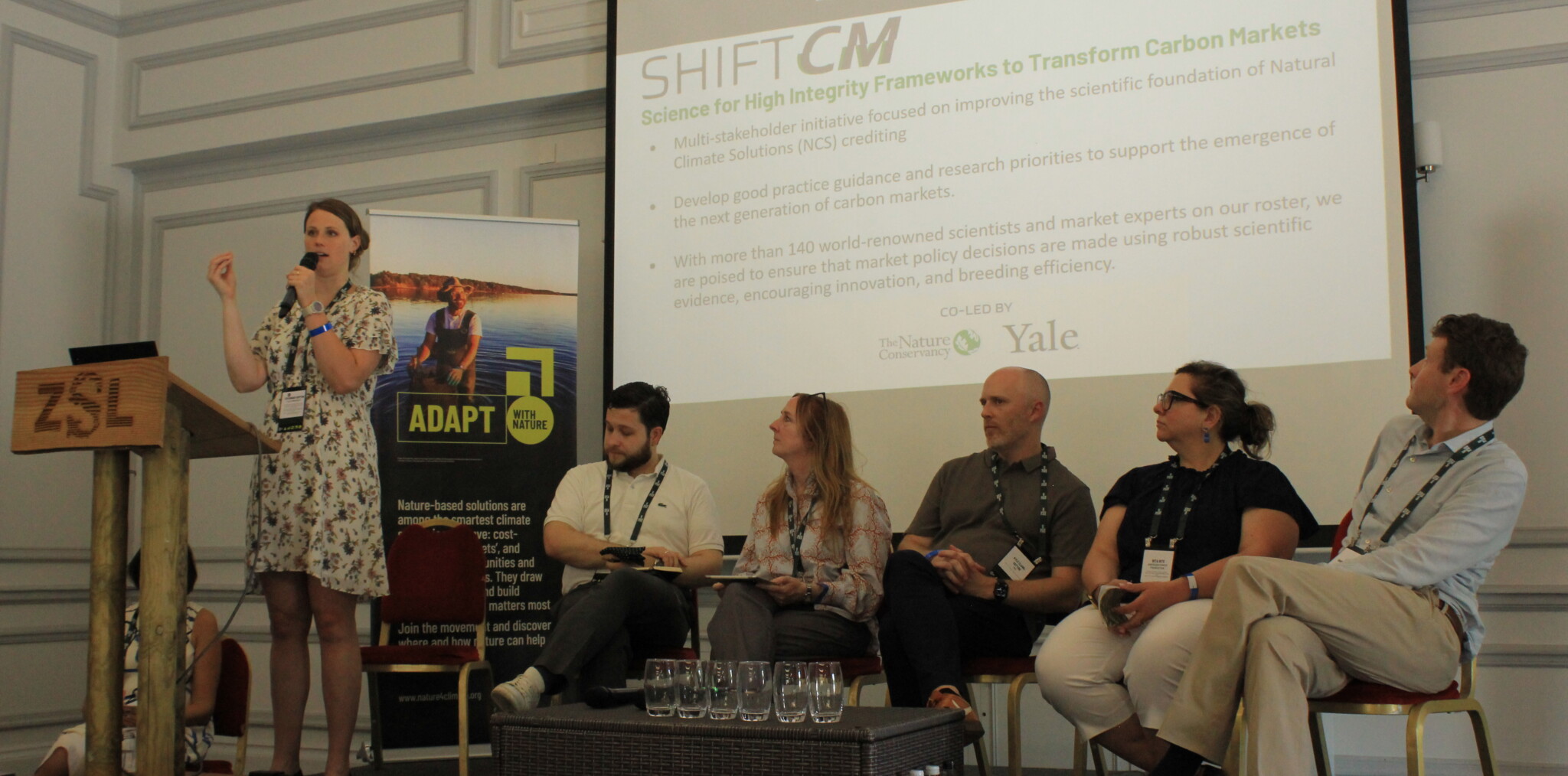
Savannah Gupton, Research Program Manager, Yale Applied Synthesis Program: "I'm going to shift the terminology slightly, from permanence to durability. Permanence can create an all-or-nothing mindset when what we really need is a practical framework that allows us to value and deploy every available carbon storage solution. Durability gives us a measurable way to think about risk, longevity, and how carbon storage can become more resilient over time."
The Nature Hub was convened by the Nature4Climate Coalition, with the support of its members — Zoological Society of London, The Nature Conservancy, and FSC — and in close collaboration with its strategic partners: Salesforce, KPMG, ACR, Accountability Framework initiative (AFi), aDryada, Arbor Day Foundation, Legal & General, NativState, Nuveen Natural Capital, Okala, Plan Vivo, and Satelligence.