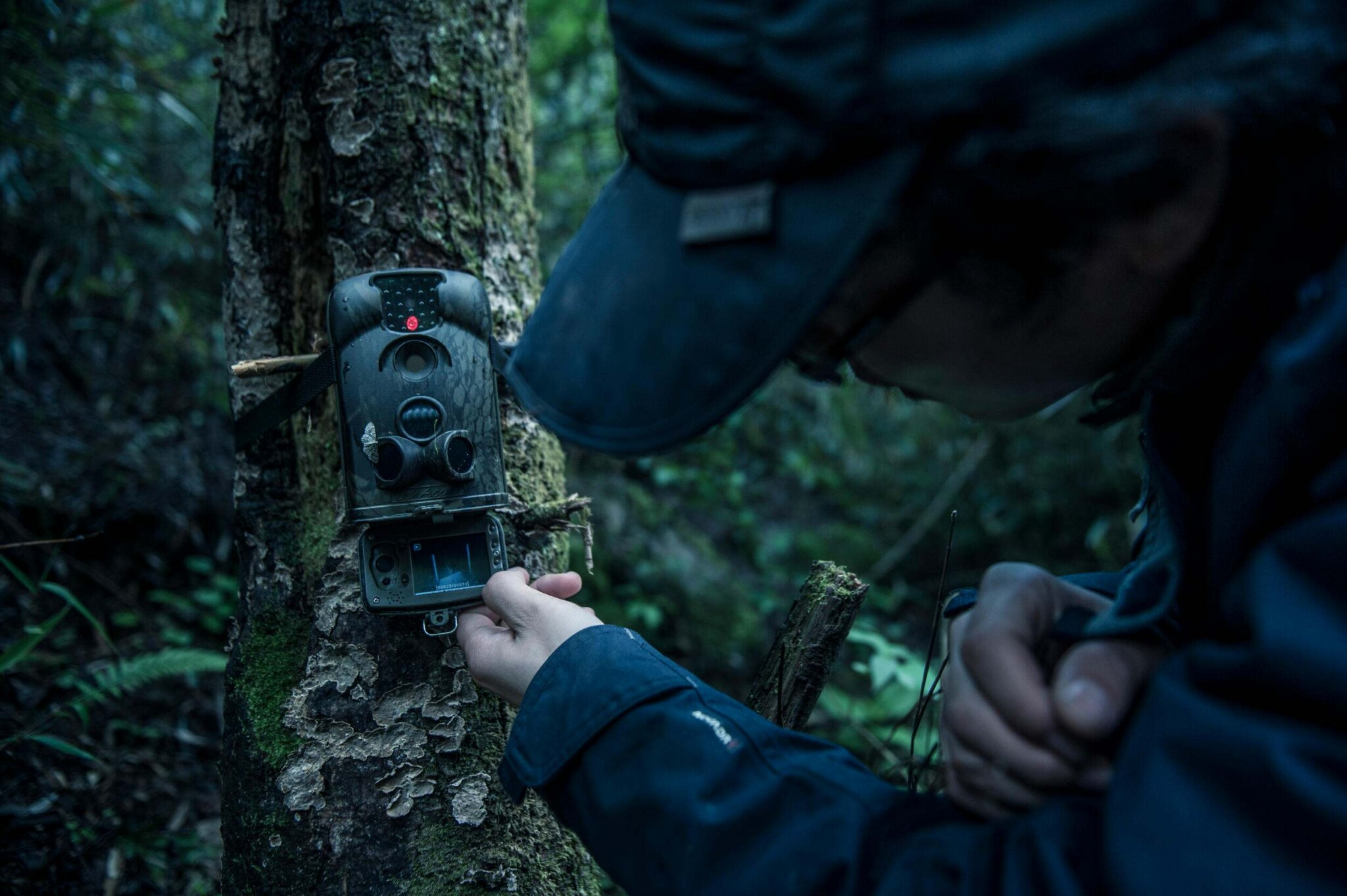
Photo Copyright © Nick Hall
By Gilad Goren, Executive Director of the Nature Tech Collective
Nature tech is thriving, and yet nature tech companies are fighting to stay alive. Both statements are true, summing up the past couple of years in the life of the sector. The field has never been stronger. The startups building it have largely failed to reap the rewards.
Some of that is a climate we didn’t choose: the obvious political headwinds we are all aware of, and an economy that won’t sit still. But some of it is on us. As a sector, we placed the wrong bets.
And yet there is real reason for hope. Nature is finally, slowly but surely, being treated as a must-have in boardrooms and by policymakers. Nature tech is how that shift gets measured, managed, implemented and financed. The demand is arriving. The question is whether the nature regeneration complex is built to meet it.
Read more
Related articles for further reading
Evidence of this growing recognition that nature impacts are a forcing function for change is piling up in the halls of government, in disclosure frameworks, and on corporate P&Ls.
Beyond the well-discussed UK and EU legislation of the past two years, just look at Colombia’s Law 2585 of 2026, making deforestation-free cattle ranching national policy, or South Australia’s Biodiversity Act 2025, which shows that subnational governments are moving too. Kering is putting validated Science Based Targets for Nature to work. Unilever is running regenerative agriculture at scale and holding suppliers to mandatory biodiversity standards.
Meanwhile, nature tech startups are floundering: in adoption, in funding, and in product-market fit. Without a clear demand signal from their buyers, these startups continue to rely on grants and VC funding. That particular money spigot never seemed to loosen, largely because of… well, the lack of a clear demand signal.
Why? A global economy teetering under conflict (kinetic, cultural, and trade) pushed companies to hush their nature ambitions and cut anything not crucial to the bottom line. And we failed to show that nature is crucial to the bottom line, with our offerings all too often relegated to clients’ marketing, CSR, or philanthropic budgets.
And so, CFOs “got real” with their red pencils, voluntary disclosures were shelved, and nature credit purchases were pushed to “later.” Those were the two core use cases for much of what the world called nature tech, leaving us on the ropes with our proverbial tongues out, gasping for both hope and air.
The path forward is clear, even if we won’t get there without a period of pain. Start with the wider definition offered by Nature Tech Collective in its inaugural taxonomy at COP16: nature tech is technology in service of the nature-positive transition. That spans agriculture, supply chains, manufacturing, transportation, and the built environment. Founders should swim toward the must-haves (customers with a clear, expressed need), not the shoulds.
We must hop along with big tech as it rides the AI tiger. The labs will commoditize many tools and insights once guarded behind paywalls. Good! Knowledge that accelerates regeneration should be a public good. Value gets captured in the layer above: the one that turns knowledge into action. Foundation models become platforms upon which a million startups can bloom while driving the nature-positive transition.
That is why Nature Tech Collective plans to lean into doing what this moment demands: building the field and supporting the unlocking of nature technologies for the greater good. Nature is returning to its place as non-negotiable. Our job now is to make sure nature tech is too.